

Your Day, Powered by AI: Living Smart in India, 2025
Recommended Tech Guides Picks
AI Voice Assistant Smart Speaker
- Delivers personalized news briefs in Hindi and other regional languages.
- Monitors sleep cycles for gentle, optimized wake-up calls.
- Acts as a central hub for controlling various smart home devices.
Price: ₹4,999
AI-Powered Smart Home Security Camera
- Intelligently differentiates between delivery persons and unknown faces for enhanced security.
- Provides real-time alerts and remote monitoring via a smartphone app.
- Integrates seamlessly with existing smart home ecosystems for comprehensive surveillance.
Price: ₹3,999
AI-Enabled Smart Inverter AC
- Learns and adapts to your preferred temperature cycles for optimal comfort.
- Optimizes energy consumption based on AI analysis, saving on electricity bills.
- Offers voice control integration and remote management via a smartphone.
Price: ₹34,990

The alarm rings, but it’s not a jarring buzz. Instead, your smart speaker, having subtly monitored your sleep cycle, gently wakes you with a personalized news brief in Hindi, tailored to your interests. As you sip your chai, an AI-powered app analyzes your fridge inventory and past preferences, suggesting a healthy dinner recipe and adding missing ingredients to your online grocery cart. This isn’t science fiction; this is the increasingly common reality for Indian consumers in 2025, where Artificial Intelligence isn’t just a buzzword, but an invisible, helpful co-pilot in our daily lives.
AI’s Invisible Hand: Shaping Indian Consumer Habits

AI’s influence in India has rapidly matured beyond simple chatbots. It’s now deeply embedded, quietly transforming how we shop, learn, manage our finances, and even interact with government services. The sheer scale and diversity of India make it a unique playground for AI innovation, particularly in personalization and language accessibility.
One of the most significant shifts is in **hyper-personalization**. E-commerce giants leverage AI to predict not just what you’ll buy, but when, offering curated recommendations that feel uncannily accurate. From fashion choices suited to local weather patterns to investment advice factoring in regional economic trends, AI models are getting smarter about the Indian consumer’s nuances. Similarly, content platforms use AI to understand vernacular preferences, serving up movies, music, and news in regional languages, making digital experiences truly inclusive. According to a report by Gadgets360 earlier this year, the adoption of AI-driven personalized shopping experiences has seen a 40% surge in tier-2 and tier-3 Indian cities, highlighting its widespread impact.
Beyond commerce, AI is making significant inroads into **public services and healthcare**. Imagine an AI assistant guiding you through complex government forms in your mother tongue or a diagnostic tool in a rural clinic helping identify early signs of illness based on local data sets. Startups are also leveraging AI for agricultural insights, helping farmers optimize crop yields and manage irrigation more efficiently, demonstrating a profound impact on foundational sectors.
The burgeoning smart home ecosystem in India is another testament to AI’s integration. From air conditioners that learn your preferred temperature cycles to smart security cameras that can differentiate between a delivery person and an unfamiliar face, AI is making our homes more intuitive and secure. As noted by NDTV Gadgets, the sales of AI-enabled smart home devices have quadrupled in the last two years, driven by increasing internet penetration and affordability.
Navigating the AI Wave: A Smart Consumer’s Buying Guide
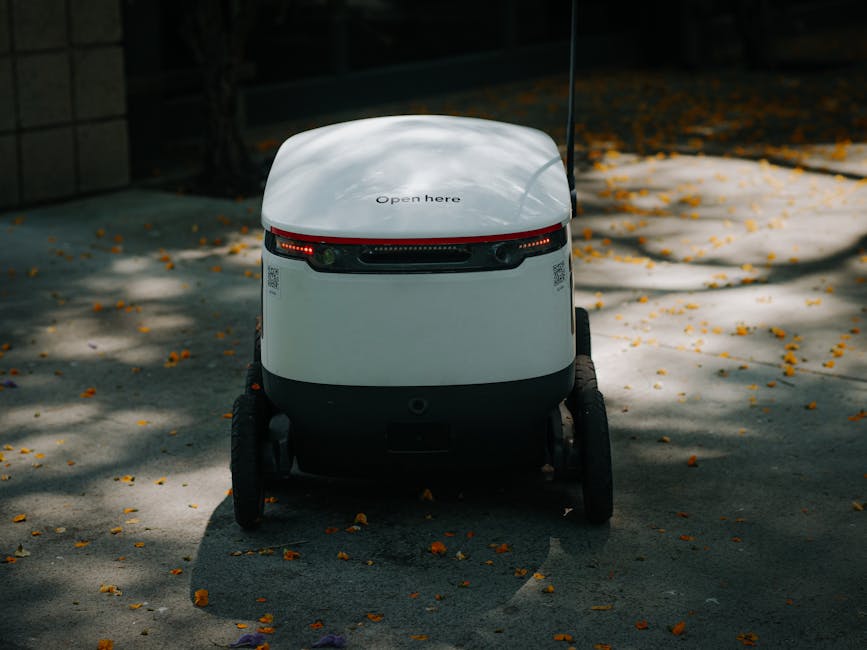
With AI becoming ubiquitous, how do you make smart purchasing decisions in 2025? It’s no longer just about the specs, but about the intelligence behind them.
1. Prioritise ‘Smart’ Over ‘AI-Tagged’: Don’t fall for every product simply labelled “AI-powered.” Look for tangible benefits. Does the AI genuinely solve a problem for you, or is it just a marketing gimmick? For instance, a washing machine with AI might optimize water usage and detergent based on fabric type, offering real value.
2. Local Relevance is Key: For voice assistants or smart appliances, ensure the AI understands Indian accents, cultural contexts, and multiple Indian languages. What works in one market might not be useful here.
3. Data Privacy & Security: This is paramount. Understand what data the AI collects, how it’s stored, and who has access. Opt for brands with transparent privacy policies and robust security features, especially for devices connected to your home network or personal finances.
4. Ecosystem Compatibility: Before investing in an AI-powered gadget, consider how well it integrates with your existing devices and platforms. A fragmented smart home ecosystem can be more frustrating than helpful.
5. Future-Proofing & Updates: AI improves over time. Choose products from companies that regularly provide software updates, ensuring your device remains intelligent and relevant for years to come.
6. Value Beyond Price: Sometimes, an AI feature might add to the cost. Evaluate if the long-term benefits – convenience, efficiency, personalization – justify the investment. An AI-powered energy manager, for example, might save you money on electricity bills in the long run.
Final Thoughts
AI in India isn’t just a technological marvel; it’s a cultural catalyst, quietly reshaping our interactions with the digital and physical world. It’s moving us towards a future where technology anticipates our needs, breaks down barriers, and enriches everyday life in distinctly Indian ways. As consumers, our role shifts from merely adopting technology to intelligently evaluating its impact and choosing solutions that genuinely empower us, making our lives not just smarter, but truly better.
Looking for more? Explore our tech guides section.
About the Author