Smartening Up Your Desi Home in 2025: Tech That Truly Understands Indian Life .product-section { margin: 24px 0; } .product-box { border: 1px solid #e6e6e6
Imagine it’s a bustling Sunday afternoon in 2025. Your *maasi* just arrived, the aroma of *biryani* fills the air, and the kids are glued to the latest IPL match. Suddenly, your mom needs the AC turned down, your dad wants the music louder in the living room, and you just remembered the smart bulb in the *puja* room isn’t set to its evening glow. Five years ago, this would be a flurry of shouting commands and running around. Today? You simply say, “Hey Google, set the living room AC to 22 degrees, play *Arijit Singh* on the living room speaker, and turn on the *puja* light scene.” And just like that, the chaos melts into seamless comfort. Welcome to the future of the Indian home, powered by technology that truly gets our unique rhythm.
The 2025 Tech Trends Making Desi Life Smarter
Voice Assistant Use – Image via Pexels
The tech landscape in India is evolving at breakneck speed, moving beyond mere gadgets to integrated ecosystems that anticipate your needs. In 2025, several key trends are shaping how we interact with our homes and our world, all with a distinctly Indian flavour.
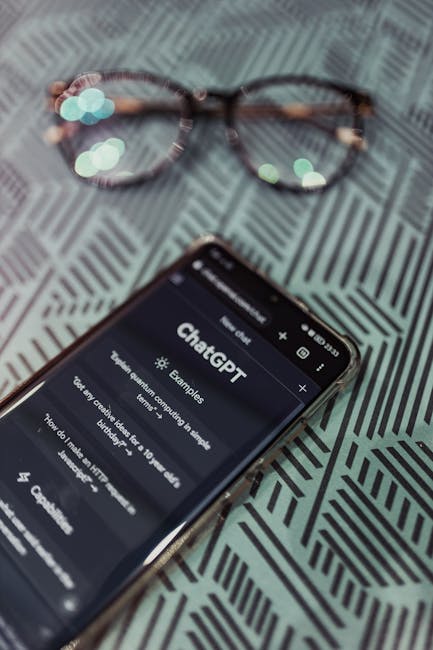
First up is the rise of **AI-Powered Smart Home Ecosystems**. Forget isolated smart bulbs; we’re talking about entire homes where devices communicate intelligently. Your smart air purifier, for instance, doesn’t just turn on when pollution levels spike; it learns your family’s routine and pre-cleans the air before you even wake up. Refrigerators now suggest recipes based on available ingredients and expiry dates, a boon for those busy weekdays. As noted by NDTV Gadgets, the integration of AI into everyday appliances is rapidly making homes more intuitive, anticipating needs rather than just responding to commands. Voice assistants, now far more adept at understanding Hinglish and regional languages, are becoming the central command centres, making tech accessible to everyone, from your tech-savvy cousin to your grandmother.
Next, **Hyper-Personalized Wellness Tech** is no longer a niche. With rising health consciousness, smart wearables are getting incredibly sophisticated, tracking not just steps and heart rate but also sleep patterns, stress levels, and even offering guided meditation in local languages. Smart water purifiers don’t just filter; they analyze water quality in real-time and even suggest optimal hydration levels for your family. This isn’t just about data; it’s about actionable insights tailored to our often-stressful urban lifestyles.
Finally, **Seamless, Sustainable Connectivity** is the backbone of it all. With widespread 5G and the advent of Wi-Fi 7, every corner of your home, from the kitchen to the balcony, is blanketed in high-speed, reliable internet. This enables truly smart devices to function flawlessly. Moreover, there’s a growing emphasis on energy-efficient tech. Smart plugs that automatically switch off unused appliances, solar-powered outdoor lights, and inverter-compatible smart devices are becoming mainstream, helping manage those electricity bills while being kinder to the planet.
Your 2025 Desi Tech Buying Guide: What to Look For
Smart Kitchen Appliances – Image via Pexels
Ready to upgrade your *apna ghar*? Here’s what you need to consider before diving into the world of smart tech:
Ecosystem Compatibility is Key: Don’t buy a standalone gadget. Think about how it fits into your existing or planned smart home ecosystem (e.g., Google Home, Amazon Alexa, Apple HomeKit). A smart doorbell that can display its feed on your smart TV and communicate with your smart lock is far more useful than one that works in isolation.
Regional Language Support & Local Context: Does the voice assistant understand your mother tongue or Hinglish? Are the app interfaces intuitive for Indian users? Can your smart geyser integrate with smart plugs designed for Indian voltage fluctuations? These seemingly small details make a huge difference in daily usability.
After-Sales Service & Warranty: In India, a robust service network is paramount. Before investing, check the brand’s reputation for customer support and warranty claims. A fancy gadget is useless if you can’t get it repaired locally. Gadgets360 often advises looking beyond just features to evaluate the long-term support and ecosystem compatibility when considering smart home devices.
Security & Privacy: With great connectivity comes great responsibility. Ensure the devices have strong encryption, regular security updates, and clear privacy policies. You don’t want your smart camera to be a backdoor into your home network.
Value for Money, Not Just Price: While budget is always a factor, look at the long-term value. A slightly more expensive device that offers better integration, durability, and energy efficiency might save you more in the long run than a cheaper, less capable alternative.
Final Thoughts
In 2025, technology in India isn’t just about gadgets; it’s about enhancing our traditions, simplifying our routines, and connecting us more deeply to what truly matters – family, comfort, and peace of mind. The smart home isn’t just a collection of devices; it’s a thoughtfully curated extension of our *apna ghar*, built to make life not just easier, but richer. So go ahead, embrace the future. Your home, and your *maasi*, will thank you for it!
Looking for more? Explore our tech guides section.