It’s 2025. You just woke up to your smart speaker gently playing a Carnatic raga, not because you set an alarm, but because its AI learned your preference
It’s 2025. You just woke up to your smart speaker gently playing a Carnatic raga, not because you set an alarm, but because its AI learned your preference for a calm start on Tuesdays. You quickly check your phone – the news app curated a feed of local startups and global tech updates, skipping the political drama you usually scroll past. Later, while ordering lunch, the app’s AI recommends a healthy thali from a new, highly-rated vendor nearby, predicting your craving for something light after a heavy weekend. This isn’t sci-fi; this is the subtle, pervasive influence of Artificial Intelligence shaping the everyday life of an Indian consumer.
For young Indians, AI isn’t some abstract concept discussed in boardrooms; it’s an invisible co-pilot in our digital journeys. From helping us choose the perfect outfit on Myntra to suggesting the best route through Bengaluru’s notorious traffic, AI is rapidly becoming indispensable. But how deep does this influence run, and more importantly, how do we navigate this AI-powered world as smart consumers?
The AI Wave: Shaping Indian Consumer Habits
Recommended Tech Guides Picks
Google Nest Audio Smart Speaker
Understands Indian languages like Hindi, Marathi, Bengali.
Plays personalized music, including Carnatic ragas, based on preferences.
Controls smart home devices and manages daily schedules efficiently.
The past couple of years have seen AI move from niche applications to mainstream adoption across India. It’s not just about fancy chatbots anymore; it’s about hyper-personalization, efficiency, and predictive capabilities that anticipate our needs before we even articulate them.
One of the biggest shifts is in **e-commerce and content consumption**. Platforms like Amazon India, Flipkart, JioMart, and even local grocery delivery apps leverage AI to analyze your purchase history, browsing patterns, and even what time of day you shop. The result? Product recommendations that feel almost psychic, deals tailored to your budget, and a shopping experience that’s uniquely yours. Similarly, streaming services like Netflix and JioCinema use sophisticated AI algorithms to suggest shows and movies, keeping us hooked longer. This isn’t just about convenience; it’s about creating deeply engaging, customized digital environments. As noted by NDTV Gadgets, “AI-driven personalization is no longer a luxury but a fundamental expectation for Indian digital consumers.”
Beyond entertainment and shopping, AI is making significant inroads into **productivity and convenience**. Think about smart assistants like Google Assistant or Alexa, now fluent in Hindi, Marathi, Bengali, and other regional languages. They’re not just answering queries; they’re controlling smart home devices (from lights to ACs), managing schedules, and even helping elderly family members stay connected. In education, AI-powered apps are offering personalized learning paths, identifying weak areas, and recommending resources, making learning more accessible and effective for students across the country.
Even in areas like **finance and healthcare**, AI is subtly influencing choices. UPI apps use AI for fraud detection, making digital payments safer. Health apps with AI integrations help track fitness goals, analyze sleep patterns, and even offer mental wellness support, providing personalized insights previously unavailable to the average Indian consumer.
Your Smart Guide to Buying AI-Powered Tech in 2025
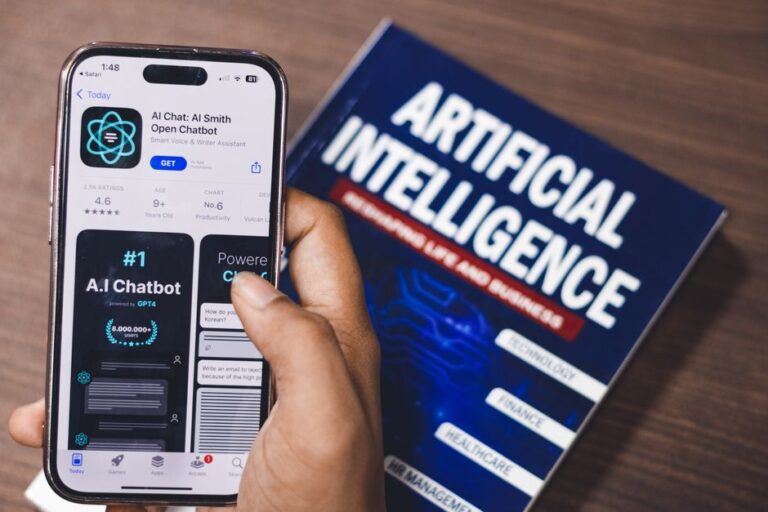
Personalized Shopping App – Image via Pexels
With AI embedded in almost everything, how do you make informed decisions when buying new gadgets or subscribing to services? Here are some crucial tips for the discerning Indian consumer:
1. Define Your Need, Not Just the Hype
Before splurging on an AI-powered smart speaker or a gadget with an “AI chip,” ask yourself: what problem does this solve for me? Is it genuine convenience, or just a flashy feature you might rarely use? Don’t buy AI for the sake of AI. If you primarily want to listen to music, a basic Bluetooth speaker might suffice over an expensive AI-enabled one that can also control your non-existent smart lights.
2. Prioritize Privacy and Data Security
This is paramount. AI thrives on data, and your personal information is its fuel. Always scrutinize the privacy policy of any AI-powered device or service. Understand what data is being collected, how it’s stored, and who it’s shared with. Look for companies that offer clear data control options. As highlighted by Gadgets360, “Data privacy concerns are growing, and consumers must be vigilant about the permissions they grant to AI applications.”
3. Check for Local Relevance and Language Support
An AI that doesn’t understand your accent or regional language is practically useless. Ensure the AI assistant or service you’re considering has robust support for Indian languages and local contexts. Does it know about Diwali sales? Can it understand “chal chai pi kar aate hain”? This local nuance makes all the difference.
4. Evaluate Integration and Ecosystem Compatibility
Will your new AI gadget play nice with your existing tech? If you have a Google-centric smart home, buying an Amazon Alexa-only device might lead to fragmented experiences. Look for devices and services that seamlessly integrate into your preferred ecosystem for a truly smart and cohesive experience.
5. Consider Future-Proofing and Updates
AI technology evolves rapidly. Does the device or service offer regular software updates that bring new AI features and improvements? A smart gadget that learns and gets better over time offers much more value than one that becomes obsolete quickly.
6. Read Reviews, Especially from Indian Sources
Before purchasing, dive into reviews from reputable Indian tech publications like NDTV Gadgets, Gadgets360, and tech YouTubers who review products specifically for the Indian market. They often highlight issues or benefits that are particularly relevant to our local conditions and usage patterns.
Final Thoughts
Data Privacy Lock – Image via Pexels
The AI revolution isn’t just knocking; it’s already made itself at home in our daily lives. From curating our entertainment to optimizing our commutes, AI is an undeniable force shaping how Indian consumers interact with technology. As we step further into 2025 and beyond, embracing AI isn’t about blindly following trends, but about making informed choices. Understand its power, respect its limitations, and prioritize your privacy. The future is intelligent, and with the right knowledge, you can ensure it’s intelligent on your terms, making your life not just smarter, but truly better.
Looking for more? Explore our tech guides section.