

The digital marketplace in India is a vibrant, ever-evolving landscape. From the bustling streets of Mumbai to the serene backwaters of Kerala, a common thread now connects almost every purchase decision: **reviews**. In 2025, the power of online reviews in India isn’t just a trend; it’s the very bedrock of consumer trust and business success. As India’s digital economy continues its explosive growth, driven by affordable internet and smartphone penetration, the role of authentic feedback has become more critical than ever. This isn’t just about rating a product; it’s about building communities, informing decisions, and shaping the future of commerce across the nation.
The Unshakeable Trust in Online Reviews in India (2025)
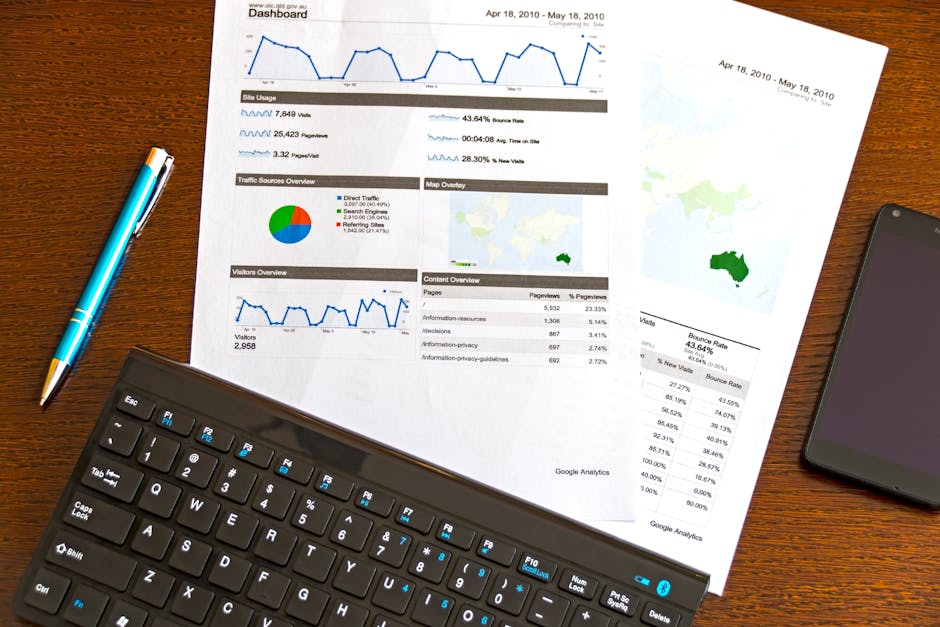
Indians are inherently social consumers. Word-of-mouth has always been a powerful force, and in the digital age, online reviews have become its most potent avatar. By 2025, studies suggest that over 85% of Indian consumers will consistently check reviews before making a purchase, whether it’s a new smartphone, a travel booking, a restaurant choice, or even hiring a local service. This isn’t just about big-ticket items; even daily essentials are increasingly influenced by the collective wisdom found in online feedback. This deep reliance on fellow consumers’ experiences makes reviews an indispensable component of the Indian shopping journey, fostering transparency and accountability in a market previously dominated by brand-centric advertising.
Key Trends Shaping the Review Landscape in India (2025)

The future of online reviews in India is dynamic, influenced by technological advancements and unique cultural nuances. Here’s what we can expect to see taking center stage:
Video Reviews on the Rise
India’s insatiable appetite for video content, fueled by platforms like YouTube, Instagram Reels, and local short-video apps, means video reviews are skyrocketing. In 2025, consumers will increasingly turn to visually engaging content that demonstrates products in action, offers authentic reactions, and often features local micro-influencers or fellow users speaking in regional languages. This format builds a stronger sense of trust and provides a more comprehensive product understanding than text alone.
AI-Powered Review Analysis and Summarization
With millions of reviews being generated daily, sifting through them can be overwhelming. By 2025, Artificial Intelligence (AI) will play a crucial role in summarizing vast pools of feedback, highlighting key pros and cons, and extracting sentiment. AI tools will help both consumers quickly grasp the essence of reviews and businesses identify common pain points or popular features, enhancing efficiency and decision-making for all stakeholders.
Hyperlocal and Vernacular Reviews
India’s linguistic diversity makes vernacular content incredibly important. In 2025, we’ll see a significant surge in reviews available in regional languages – Hindi, Bengali, Tamil, Telugu, Marathi, and more. This trend will not only cater to a broader audience but also make hyperlocal businesses (like small shops, salons, and food stalls) more discoverable and trustworthy within their communities, often powered by platforms like Google Maps and dedicated local apps.
The War Against Fake Reviews Intensifies
As the stakes get higher, so does the problem of fraudulent reviews. In 2025, platforms and regulators will redouble their efforts to combat fake reviews. Expect more sophisticated AI algorithms to detect patterns of deception, stricter verification processes for reviewers (e.g., verified purchases, identity checks), and potentially even blockchain-based solutions to ensure review authenticity. Consumer protection guidelines, like those already emerging, will push for greater transparency and penalize deceptive practices, rebuilding trust in the review ecosystem.
Integrated Reviews Across Platforms
The consumer journey is no longer linear. By 2025, reviews will be seamlessly integrated across various touchpoints. Imagine seeing a product review from an e-commerce site pop up on a social media ad, or a restaurant review from Google Maps appearing on a food delivery app. This interconnectedness will provide consumers with a holistic view, making it easier to gather information and make informed choices without jumping between multiple apps or websites.
How Businesses Can Leverage Reviews in India (2025)

For Indian businesses, reviews are not just feedback; they are a critical asset. Proactively soliciting and responding to reviews, both positive and negative, builds a transparent and trustworthy brand image. Embracing video and vernacular content in your review strategy will help you connect with diverse audiences. Regularly monitoring and analyzing review data using AI tools can offer invaluable insights into customer sentiment, helping refine products and services. Ultimately, businesses that genuinely engage with reviews and demonstrate a commitment to customer satisfaction will thrive in the competitive Indian market of 2025.
For the Indian Consumer: Navigating Reviews in 2025
As the review landscape evolves, so too must the savvy Indian consumer. In 2025, it’s crucial to be discerning: look for a balance of positive and negative feedback, prioritize “verified purchase” badges, and consider video reviews for their authenticity. Don’t rely on a single review; read multiple sources and look for patterns. Most importantly, contribute! Your honest feedback helps build a more reliable ecosystem for everyone. By reporting suspicious or fake reviews, you play an active role in maintaining the integrity of online information.
Conclusion
In 2025, reviews in India will be more than just star ratings; they will be the pulse of the digital marketplace. They empower consumers with unparalleled insights, hold businesses to higher standards, and foster a culture of transparency and accountability. As technology continues to enhance their authenticity and accessibility, online reviews will remain an indispensable tool, driving smart purchasing decisions and shaping the very fabric of India’s booming digital economy for years to come.
About the Author