

AI & Innovation in India: Charting the Course for 2025
India stands at the cusp of a technological revolution, with Artificial Intelligence (AI) emerging as the undeniable catalyst. As we peer into 2025, the nation’s vibrant tech landscape is not just adopting AI; it’s actively shaping its future, integrating it into the very fabric of daily life and industry. From bustling metropolitan tech hubs to the heartland of Bharat, AI is poised to drive unprecedented innovation, efficiency, and inclusive growth. This isn’t just about global competitiveness; it’s about harnessing AI to solve India’s unique challenges and unlock its immense potential, building a truly ‘AI for All’ ecosystem.
India’s AI Ambition: A Vision for 2025
The roadmap for India’s AI journey by 2025 is clear, driven by strategic government initiatives and robust private sector investment. Programs like the National AI Strategy, championed by NITI Aayog, lay the groundwork for a comprehensive AI ecosystem. We anticipate significant progress in establishing dedicated AI research centres, fostering public-private partnerships, and investing in crucial digital infrastructure. By 2025, India aims to solidify its position not just as an AI consumer, but as a global leader in AI development, focusing on applications that resonate with its diverse population. The ‘Digital India AI’ vision is transforming from aspiration to tangible reality, with policy frameworks evolving to support this rapid technological acceleration.
Powering Sectors: AI’s Transformative Impact Across Industries

By 2025, AI’s impact will be profoundly felt across India’s core sectors, redefining operations and citizen services:
AI in Healthcare India: Precision and Accessibility
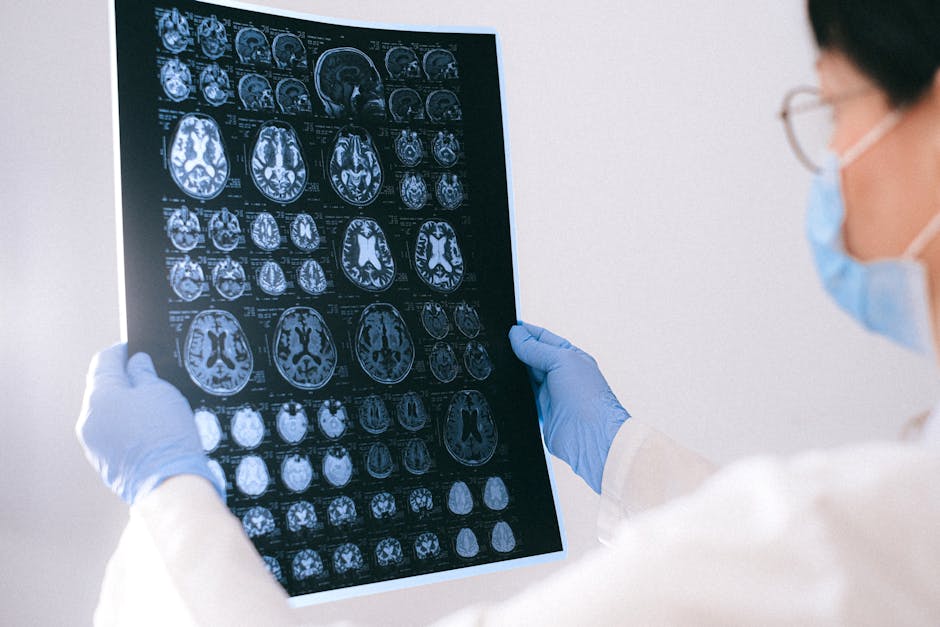
AI is set to revolutionize healthcare, enabling faster diagnostics, personalized treatment plans, and predictive analytics for disease outbreaks. Telemedicine, powered by AI, will bridge the urban-rural divide, making quality healthcare accessible even in remote villages. Innovations in drug discovery and medical imaging analysis will see significant advancements, improving patient outcomes and reducing costs.
AI in Agriculture India: Boosting Productivity and Farmer Income
For a nation deeply rooted in agriculture, AI offers transformative solutions. Precision farming, crop yield prediction, smart irrigation, and pest detection systems will become more commonplace. AI-driven insights will help farmers optimize resource usage, reduce waste, and connect more efficiently with markets, thereby boosting incomes and ensuring food security.
Financial Inclusion and FinTech Innovation
The Indian FinTech sector, already a global leader, will leverage AI for enhanced fraud detection, personalized banking experiences, credit scoring for the unbanked, and automated investment advice. AI will play a critical role in expanding financial inclusion, making banking services more secure, efficient, and accessible to every Indian.
Smart Cities and Public Services
AI will be instrumental in building smarter, more sustainable Indian cities. From intelligent traffic management and waste optimization to enhanced public safety and efficient utility services, AI will improve urban living. Government services will become more citizen-centric, leveraging AI for better grievance redressal, public information dissemination, and transparent governance.
The Startup Surge and a Robust AI Talent Pool

India’s AI ecosystem in 2025 will be characterized by a booming startup landscape. Major tech hubs like Bengaluru, Hyderabad, and Delhi-NCR will continue to be hotbeds for “AI startups India,” focusing on niche solutions tailored for both domestic and global markets. These deep tech companies are attracting significant venture capital, driving innovation in areas like Generative AI, computer vision, and natural language processing in multiple Indian languages. Crucially, the “AI jobs India” market is expanding rapidly, fuelled by a growing pool of highly skilled AI engineers, data scientists, and researchers emerging from top-tier institutions and specialized training programs. Academic-industry collaborations are strengthening, creating a virtuous cycle of research, development, and deployment.
Ethical AI and Responsible Innovation in India
As AI permeates deeper into society, the conversation around “responsible AI India” becomes paramount. By 2025, India will likely have more robust frameworks for AI governance, focusing on data privacy, algorithmic fairness, and accountability. The Digital Personal Data Protection Act (DPDP Act) 2023 provides a strong foundation for managing data, a critical component for ethical AI development. Indian policymakers and technologists are committed to ensuring AI development is not just innovative but also inclusive, transparent, and bias-free, reflecting the nation’s diverse values and ensuring AI benefits all segments of society, embodying the principle of ‘AI for Good’.
Challenges and the Road Ahead
While the prospects are bright, India’s AI journey to 2025 is not without challenges. Bridging the digital divide, ensuring equitable access to data and connectivity, especially in rural areas, remains crucial. Upskilling and reskilling the vast workforce to thrive in an AI-driven economy will require sustained effort from both public and private sectors. Furthermore, fostering a culture of deep tech research and development, alongside ensuring adequate funding for cutting-edge AI innovations, will be key to maintaining India’s momentum. Overcoming these hurdles will solidify India’s position as a global AI powerhouse.
Conclusion
The year 2025 marks a pivotal chapter in India’s AI narrative. The convergence of visionary government policies, a thriving “India AI ecosystem” of startups, a burgeoning talent pool, and a commitment to responsible innovation is setting the stage for transformative growth. India is not merely adopting AI; it is uniquely adapting and innovating with AI to create solutions that resonate globally while addressing local needs. As we move forward, the promise of “AI innovation India” is not just about technological advancement; it’s about building a more connected, efficient, and prosperous future for every Indian, cementing the nation’s role as a leader in the global digital economy.
About the Author