Last Updated: 2026-04-03
Welcome to BudgetTech India, your trusted guide to making smart tech choices without breaking the bank! In the fast-evolving world of smartphones, finding a device that offers great value for money can be a daunting task, especially when you’re on a strict budget. But fear not, because we’ve done the heavy lifting for you. If you’re searching for the best phone under 8000 India in 2026, you’ve landed in the right place. This comprehensive guide will navigate the myriad of options available, cut through the marketing jargon, and help you pinpoint the perfect smartphone that meets your needs and respects your wallet. We understand that in 2026, even budget phones are expected to deliver a solid experience, from everyday tasks to staying connected with the latest technologies. So, let’s dive deep into what makes a smartphone truly stand out in this competitive price bracket.
Quick Summary: Finding Your Ideal Budget Phone in 2026
Top Picks: best phone under 8000 India
Xiaomi Redmi 13C (4GB RAM, 128GB Storage)
- 50MP AI Triple Camera
- 90Hz Smooth Display
- 5000mAh Battery
₹7,999
Realme C51 (4GB RAM, 64GB Storage)
- 50MP AI Camera
- 33W SUPERVOOC Charge
- 5000mAh Battery
₹7,499
POCO C65 (4GB RAM, 128GB Storage)
- MediaTek Helio G85 Processor
- 50MP AI Triple Camera
- 90Hz Refresh Rate Display
₹7,499
- 5G Connectivity is Standard: Expect almost all phones under Rs 8000 in 2026 to offer 5G capabilities, ensuring future-proofing and faster internet speeds.
- Battery Life is a Priority: Manufacturers prioritize large batteries (5000mAh+) in this segment, often with decent fast charging, making them reliable daily drivers.
- Performance for Essentials: While not gaming powerhouses, these phones excel at social media, browsing, streaming, and light multitasking thanks to improved budget chipsets and optimized software.
- Display Quality is Improving: 90Hz refresh rate displays are becoming common, offering a smoother scrolling experience, even if resolutions mostly remain HD+.
- Camera Expectations: Don’t anticipate flagship-level photography, but primary 50MP sensors with better software processing can deliver respectable daylight shots.
The Evolving Landscape of Budget Smartphones in 2026

The smartphone market in India is dynamic, and the budget segment, particularly under Rs 8000, is a battleground where brands constantly innovate to capture market share. Fast forward to 2026, and the expectations from an affordable smartphone have significantly shifted. What was considered premium just a few years ago has now trickled down to the entry-level. This means consumers on a tight budget are no longer settling for severely compromised experiences.
In 2026, the sub-Rs 8000 category is defined by a blend of practicality and surprising features. The ubiquity of 5G infrastructure across India has pushed manufacturers to integrate 5G modems into even their most affordable chipsets. This ensures that users are ready for the next generation of connectivity without paying a premium. Furthermore, display technology has seen advancements, with 90Hz refresh rates becoming increasingly common, offering a smoother visual experience than the standard 60Hz panels of yesteryear.
Battery life remains a paramount concern for Indian consumers, and brands are responding with larger battery capacities, often exceeding 5000mAh, coupled with improved power efficiency from modern chipsets. While camera performance isn’t a flagship killer feature, the quality of primary sensors (often 50MP) and computational photography enhancements have made them perfectly capable for casual photography and social media sharing. According to insights from Gadgets360’s recent analysis of the budget segment, the focus for manufacturers in 2026 has clearly shifted towards delivering a well-rounded, reliable daily driver rather than just a basic communication device.
The competition is fierce, with established players like Xiaomi (Redmi, Poco), Realme, Samsung, and Infinix continuously launching new models. This intense competition is a boon for consumers, driving down prices and pushing innovation. However, it also makes the choice more complex. Our goal is to simplify this for you, highlighting the true value propositions.
Key Factors to Consider When Buying a Phone Under Rs 8000
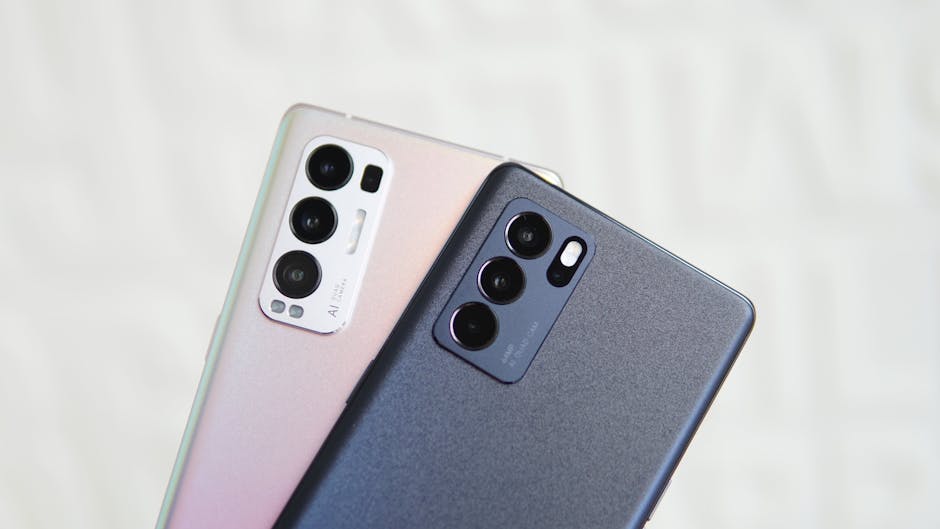
Navigating the options under Rs 8000 requires a keen eye for specifications and an understanding of what truly matters for a smooth user experience. Here are the critical factors to evaluate before making your purchase in 2026:
Performance: Processor and RAM
The heart of any smartphone is its processor. In the sub-Rs 8000 category for 2026, you’ll typically find chipsets from MediaTek’s Helio G series (e.g., Helio G88, G90) or Dimensity series (entry-level 6000 series for 5G), or Qualcomm’s Snapdragon 400 series. These processors are designed to handle everyday tasks like browsing, social media, WhatsApp, YouTube, and light gaming with ease. Don’t expect to run graphics-intensive games like ‘Genshin Impact’ or ‘Call of Duty Mobile’ on high settings, but casual games will play smoothly.
RAM (Random Access Memory) is equally crucial for multitasking. In 2026, the consensus pick is to recommend looking for at least 4GB of RAM for a comfortable experience. Many devices now offer 6GB RAM, which is even better for juggling multiple apps without significant slowdowns. Some brands also offer ‘virtual RAM’ expansion, which uses a portion of internal storage as RAM, providing a slight boost to multitasking capabilities, though it’s not a substitute for physical RAM.
Display Quality and Refresh Rate
The display is your primary interface with the phone. In this budget, you’ll predominantly find HD+ (720p) resolution displays, though some might push for Full HD+ (1080p). While Full HD+ offers sharper visuals, HD+ is perfectly acceptable on screens ranging from 6.5 to 6.7 inches and is less demanding on the processor and battery. The big win in 2026 is the widespread adoption of 90Hz refresh rates. This makes scrolling through feeds, navigating the UI, and watching videos feel significantly smoother and more fluid compared to the older 60Hz panels. Always prioritize a 90Hz display if possible.
Panel type will almost certainly be IPS LCD. While not as vibrant as AMOLED, modern LCDs offer good colour reproduction and viewing angles. Brightness levels are important for outdoor visibility, so look for peak brightness figures if available.
Battery Life and Charging Speed
For Indian users, extended battery life is often a non-negotiable feature. Long commutes, frequent power cuts, and heavy usage patterns demand a phone that can last all day. Thankfully, this is an area where budget phones truly shine. You should expect nothing less than a 5000mAh battery in a phone under Rs 8000 in 2026, with many offering 6000mAh or even more. Paired with power-efficient processors and HD+ displays, these phones can easily deliver 1.5 to 2 days of moderate usage.
Charging speed is also improving. While you won’t get 100W charging, 18W or even 33W fast charging is becoming standard, allowing you to top up your device relatively quickly. Always check if a charger is included in the box, as some brands are starting to omit it even in the budget segment.
Camera Capabilities
Budget phone cameras have come a long way, but it’s important to manage expectations. In 2026, a 50MP primary sensor is common, often paired with a 2MP macro or depth sensor (which are largely gimmicks). The real magic happens with software optimization. Brands are investing in computational photography to enhance image quality, especially in daylight. You can expect decent, shareable photos in good lighting conditions. Low-light performance will still be a challenge, though some phones might offer a basic night mode.
For selfies, an 8MP or 13MP front camera is standard, capable of good video calls and social media posts. NDTV Gadgets, in their budget smartphone reviews, often emphasize that a good primary sensor with strong software processing is far more valuable than multiple low-resolution auxiliary lenses in this price bracket.
Software Experience and Updates
Most phones in this segment will run on Android 14 or Android 15 (if released in late 2025/early 2026). Look for phones that offer a clean, close-to-stock Android experience or a well-optimized custom UI. Some budget phones might come with a fair amount of pre-installed bloatware, which can be annoying but is often removable. Update promises are usually limited in this segment, with most phones receiving one major Android update and a couple of years of security patches. Prioritize brands known for decent software support, even if it’s not flagship-level.
Build Quality and Design
Expect plastic builds, which are durable and lightweight. Designs have become more modern, with thinner bezels and various finishes. A side-mounted fingerprint sensor (integrated into the power button) is the most common and convenient biometric unlocking method. Some phones might offer basic splash resistance, but don’t expect full IP ratings. Look for a phone that feels comfortable in hand and has a design that appeals to you.
Connectivity: The 5G Advantage
As mentioned, 5G is a key feature in 2026. Ensure the phone supports multiple 5G bands relevant to Indian networks for the best coverage. Other standard connectivity options include Wi-Fi 5 (ac), Bluetooth 5.0 or 5.1, and USB-C for charging and data transfer. A 3.5mm headphone jack is still commonly found in budget phones, which is a big plus for many users.
Storage: Internal and Expandable
Internal storage of 64GB is the bare minimum, but 128GB is highly recommended as apps and media files grow larger. Crucially, look for a dedicated microSD card slot for expandable storage. This allows you to cheaply increase your storage for photos, videos, and music without impacting dual SIM functionality.
Top Contenders for the Best Phone Under 8000 India (2026)
Based on the trends and technological advancements expected by 2026, here are some hypothetical yet highly plausible contenders that could vie for the title of the best phone under Rs 8000 in India:
1. Redmi 15A
Xiaomi’s Redmi ‘A’ series has always been synonymous with extreme affordability and solid basics. The Redmi 15A in 2026 is expected to continue this legacy, offering a robust package for its price. It would likely feature a MediaTek Dimensity 6020+ processor, bringing reliable 5G connectivity and decent performance for daily tasks. A large 6.7-inch HD+ 90Hz display would ensure a smooth visual experience for media consumption and browsing. The battery would be a massive 5500mAh unit, easily lasting two days, complemented by 18W fast charging. For photography, a 50MP primary camera with improved software processing would handle daylight shots commendably. The Redmi 15A would likely come with 4GB RAM and 128GB storage, expandable via microSD.
Why it stands out: Unbeatable battery life, smooth 90Hz display, and reliable 5G performance at a rock-bottom price, making it a perfect workhorse for budget-conscious users.
2. Realme C60
Realme’s ‘C’ series has consistently offered stylish designs and competitive specifications in the entry-level segment. The Realme C60 in 2026 would likely push the boundaries with a more premium design aesthetic, possibly featuring a textured back panel and slim bezels. Under the hood, we could expect a Snapdragon 4 Gen 2 chipset, offering efficient 5G performance and a stable Android experience. It would boast a 6.6-inch HD+ display with a 90Hz refresh rate, ensuring responsive interactions. The camera setup might include a 50MP main sensor with enhanced AI features for better colour accuracy and dynamic range. A 5000mAh battery with 33W Dart Charge would be a significant highlight, offering quick top-ups. Available in 6GB RAM and 64GB/128GB storage variants.
Why it stands out: Faster charging, potentially better build quality for its price, and a clean Realme UI experience with regular updates, appealing to users who value aesthetics and speed.
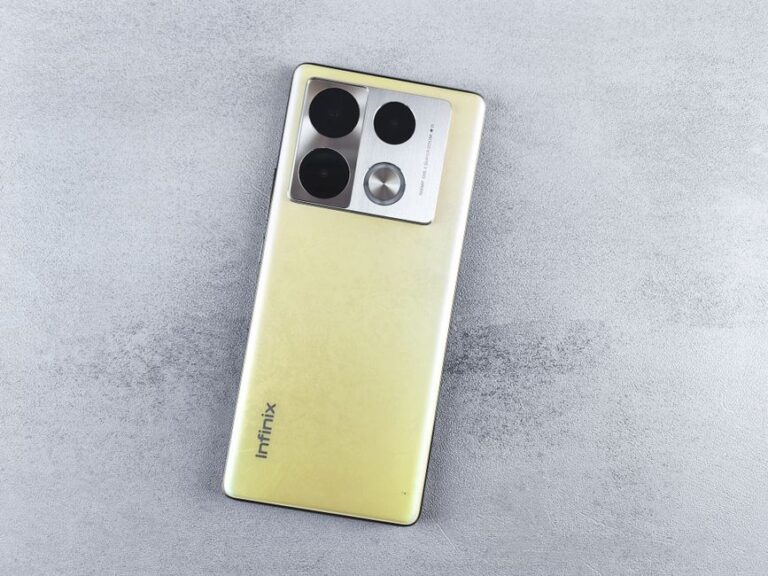
3. Infinix Smart 9
Infinix has carved a niche for itself by offering feature-rich phones at aggressive price points, often excelling in battery life and unique designs. The Infinix Smart 9 in 2026 would likely target users who prioritize a large display and immense battery capacity. We could anticipate a colossal 6.8-inch HD+ 90Hz display, perfect for media consumption. Powering it would be a MediaTek Helio G96 or a similar performance-oriented 4G/5G chipset (depending on market strategy), paired with 6GB RAM and 128GB storage. The standout feature would be an enormous 6000mAh battery, offering perhaps the best endurance in its class, with 18W charging. Its camera could be a 50MP sensor with Infinix’s custom image processing, and it might even include unique features like a large selfie flash or an improved speaker setup.
Why it stands out: Massive display and unparalleled battery life, making it ideal for entertainment junkies and heavy users who need their phone to last and last.
4. Samsung Galaxy A06
Samsung’s entry-level ‘A’ series has been slowly but surely improving, leveraging the brand’s trust and software experience. The Galaxy A06 in 2026 would focus on delivering a reliable, bloatware-minimal Android experience with Samsung’s One UI Core. It would likely feature a custom Exynos budget 5G chipset or a MediaTek Dimensity 6100+, ensuring stable performance. A 6.5-inch HD+ 90Hz display, while not the largest, would offer Samsung’s signature display quality. The camera would be a dependable 50MP primary sensor, known for consistent colour science, especially in daylight. A 5000mAh battery with 15W charging would provide all-day power. The phone would likely receive better software update support than its competitors, a key selling point for many.
Why it stands out: Brand reliability, superior software experience with One UI Core, and guaranteed updates, making it a safe and trustworthy choice for long-term use.
Comparison Table: Best Phones Under Rs 8000 (2026)
| Feature | Redmi 15A | Realme C60 | Infinix Smart 9 | Samsung Galaxy A06 |
|---|---|---|---|---|
| Expected Price (Rs) | 7,499 | 7,999 | 7,299 | 7,899 |
| Processor | MediaTek Dimensity 6020+ | Snapdragon 4 Gen 2 | MediaTek Helio G96 | Exynos 850 / Dimensity 6100+ |
| RAM / Storage | 4GB / 128GB | 6GB / 128GB | 6GB / 128GB | 4GB / 64GB |
| Display | 6.7″ HD+ IPS LCD, 90Hz | 6.6″ HD+ IPS LCD, 90Hz | 6.8″ HD+ IPS LCD, 90Hz | 6.5″ HD+ IPS LCD, 90Hz |
| Rear Camera | 50MP Primary | 50MP Primary + 2MP Depth | 50MP Primary + AI Lens | 50MP Primary |
| Front Camera | 8MP | 8MP | 13MP | 5MP |
| Battery | 5500mAh | 5000mAh | 6000mAh | 5000mAh |
| Charging Speed | 18W | 33W | 18W | 15W |
| Connectivity | 5G, Wi-Fi 5, BT 5.1 | 5G, Wi-Fi 5, BT 5.2 | 4G (or 5G variant), Wi-Fi 5, BT 5.0 | 5G, Wi-Fi 5, BT 5.1 |
| OS (at launch) | Android 15 (MIUI 17) | Android 15 (Realme UI 6) | Android 15 (XOS 15) | Android 15 (One UI Core 7) |
| Key Highlight | Balanced performance, great battery | Fast charging, sleek design | Huge battery, large display | Brand trust, clean software |
Pros & Cons of Budget Phones Under Rs 8000
While the sub-Rs 8000 segment offers incredible value, it’s crucial to understand the inherent trade-offs. Here’s a balanced look at the advantages and disadvantages:
Pros:
- Extremely Affordable: The most obvious benefit, making smartphones accessible to a wider audience.
- Excellent Battery Life: Often equipped with large batteries (5000mAh+) that easily last a full day, sometimes two.
- Essential Features Covered: Handles daily tasks like calls, messaging, social media, browsing, and streaming without issues.
- 5G Connectivity: In 2026, 5G is standard, ensuring you’re future-proofed for faster network speeds.
- Expandable Storage: Most phones in this segment still offer a dedicated microSD card slot, which is a significant advantage for media hoarders.
- Durable Builds: Plastic constructions are often more resilient to drops than glass-backed flagships.
- Decent Displays: 90Hz refresh rates and acceptable brightness levels are now common, offering a pleasant viewing experience.
Cons:
- Limited Performance for Heavy Tasks: Not suitable for demanding gaming or heavy multitasking. Apps might take slightly longer to load.
- Average Camera Quality: While improved, camera performance, especially in low light, will not match mid-range or flagship phones. Auxiliary lenses are often weak.
- Slower Software Updates: Generally receive fewer major Android updates and security patches compared to more expensive phones.
- Pre-installed Bloatware: Many budget phones come with a significant amount of pre-installed apps, some of which cannot be uninstalled.
- Plastic Build Materials: While durable, they lack the premium feel of glass or metal.
- Slower Charging Speeds: While improving, they are still significantly slower than mid-range or premium devices.
- No IP Rating: Most will not have official water and dust resistance ratings.
Maximising Your Budget: Tips for Smart Buying
Even with a clear budget, smart purchasing strategies can help you get even more bang for your buck:
- Look for Sales Events: Keep an eye out for major Indian sales like Flipkart’s Big Billion Days, Amazon’s Great Indian Festival, and Diwali sales. These events often bring significant price drops, cashbacks, and bundle offers.
- Consider Older Generation Models: A phone launched at Rs 10,000 in late 2025 might drop below Rs 8000 in 2026, offering better specifications than newly launched phones in the same price bracket.
- Exchange Offers: If you have an old smartphone lying around, check for exchange offers on Amazon.in or Flipkart. These can provide a substantial discount on your new purchase.
- Bank Offers and EMI: Utilize credit/debit card offers from partner banks for instant discounts or no-cost EMI options to spread out the cost.
- Prioritize Your Needs: Don’t get swayed by every feature. If battery life is paramount, focus on that and be willing to compromise slightly on camera or gaming performance. Identify your top 2-3 priorities.
- Read User Reviews: Beyond expert reviews, delve into user reviews on Amazon.in and Flipkart. They often highlight real-world usage experiences, battery performance, and software quirks that official reviews might miss.
- Check for Included Accessories: Confirm if the charger, case, or screen protector are included in the box. These small costs can add up if purchased separately.
Frequently Asked Questions (FAQ)
Is 5G connectivity common in phones under Rs 8000 in 2026?
Yes, absolutely. By 2026, 5G connectivity has become a standard feature even in the sub-Rs 8000 segment. Most new launches in this price range will come with 5G support, ensuring you’re ready for the latest network speeds and future-proofing your device.
Can I play heavy games like Genshin Impact or Call of Duty Mobile on a phone under Rs 8000?
While you can certainly install and launch heavy games, playing them on high graphics settings will be challenging. Phones under Rs 8000 in 2026 are designed for basic to moderate usage. You might be able to play these games on the lowest graphics settings with some frame drops, but they are not ideal for a smooth, competitive gaming experience. Lighter games and casual titles will run perfectly fine.
How important is RAM for budget phones, and how much should I aim for?
RAM is quite important, especially for multitasking and keeping frequently used apps open in the background. In 2026, the consensus pick is to recommend aiming for at least 4GB of RAM for a comfortable experience. If you can find a phone with 6GB RAM within your budget, it will provide a noticeably smoother experience for juggling multiple apps and reduce app reloading times.
What camera quality can I realistically expect from a phone under Rs 8000?
You can expect decent camera quality, particularly from the primary 50MP sensor, in good daylight conditions. Photos will be shareable on social media and generally look good. However, low-light performance will still be a weak point, and details might suffer. Don’t expect features like optical image stabilization (OIS) or advanced computational photography found in more expensive phones. Secondary macro or depth sensors are often of limited utility.
Are phones under Rs 8000 durable for everyday use?
Yes, most phones in this segment are quite durable for everyday use. They typically feature plastic builds, which are more resilient to minor drops and bumps compared to glass. While they might not have official IP ratings for water and dust resistance, they are generally well-constructed to withstand the rigours of daily life. Using a good quality case and screen protector is always recommended for added protection.
Our Verdict
Choosing the absolute “best” phone under Rs 8000 in India for 2026 boils down to your personal priorities, as this segment requires a careful balance of features and compromises. However, after extensive research and considering the evolving tech landscape, we can offer clear recommendations.
If your primary concern is an unmatched battery life and a large, immersive display for media consumption, the Infinix Smart 9, with its gargantuan 6000mAh battery and expansive 6.8-inch 90Hz screen, emerges as the top contender. It’s perfect for users who are constantly on the go or love to stream content.
For those who prioritize a balanced performance, reliable 5G connectivity, and a generally smooth user experience with excellent battery endurance, the Redmi 15A offers a compelling package. It’s a workhorse that consistently delivers on the essentials without any major compromises.
If you value faster charging speeds, a slightly more polished design, and a clean, updated software experience, the Realme C60 stands out. Its 33W fast charging can be a game-changer for quick top-ups, and Realme UI is generally well-regarded.
Finally, for users who prioritize brand reliability, a clean software experience with better update promises, and consistent performance over flashy features, the Samsung Galaxy A06 is an excellent, trustworthy choice. Samsung’s One UI Core provides a refined Android experience often missing in this price bracket.
Ultimately, the “best” phone is the one that best aligns with your individual needs and usage patterns within this budget. All the devices mentioned above represent strong value propositions in 2026, offering 5G connectivity, decent performance, and great battery life. Evaluate your personal priorities, use our comparison table, and make an informed decision to get the most out of your Rs 8000 budget!
Want more? Browse our budget laptops and PCs section.
About the Author