
Published: 2026-01-22 | Updated: 2026-01-22
Did you know that by 2026, over 70% of new smartphone users in India are projected to come from non-metro cities and rural areas? This isn’t just a statistic; it’s a seismic shift in how India connects, consumes, and creates.
The smartphone landscape, once dominated by urban trends, is now a fascinating dichotomy where cutting-edge tech meets practical necessity. So, whether you’re navigating the bustling streets of Mumbai or the serene fields of rural Karnataka, your ideal smartphone companion for 2026 is shaped by more than just specs.
Quick Summary
Recommended Smartphones Picks
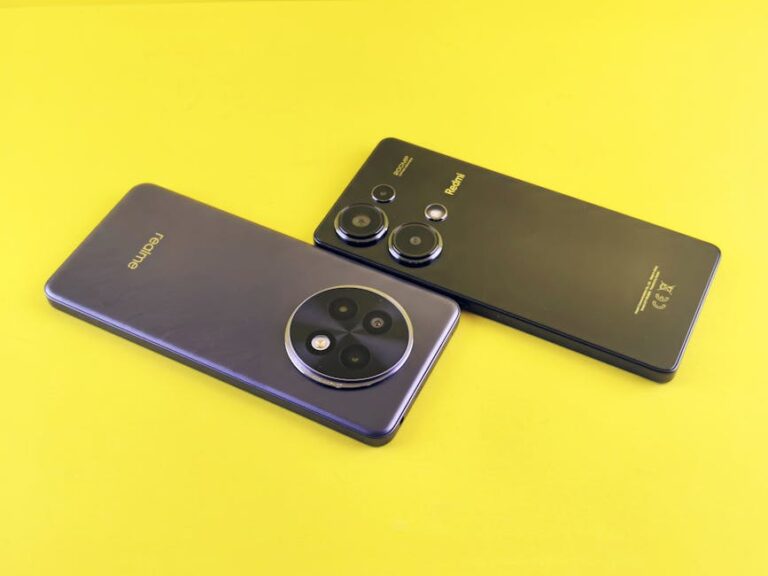
Redmi Note 16 5G
- 6.7″ 120Hz Adaptive AMOLED Display
- 6000mAh Battery with 33W Fast Charging
- 50MP AI Quad Camera System
Price: ₹18,499
Vivo Y58 5G
- 48MP OIS Camera with Advanced Night Mode
- Sleek Design & Vibrant AMOLED Screen
- 5200mAh Battery with 44W FlashCharge
Price: ₹19,990
Samsung Galaxy M36 5G
- 7000mAh Mega Battery for 2-Day Use
- Durable Build with IP54 Rating
- Clean One UI Experience & Reliable 5G
Price: ₹17,999

- India’s smartphone growth is largely driven by rural adoption by 2026, changing market dynamics.
- Urban users prioritize bleeding-edge features like AI, advanced cameras, and gaming performance.
- Rural users focus on practicality: long battery life, durability, local language support, and essential connectivity.
- The digital divide is narrowing with affordable 5G and government initiatives, but feature gaps persist.
- Choosing a smartphone in 2026 demands understanding specific lifestyle needs, not just brand hype.
Bridging the Digital Divide: 2026 Trends
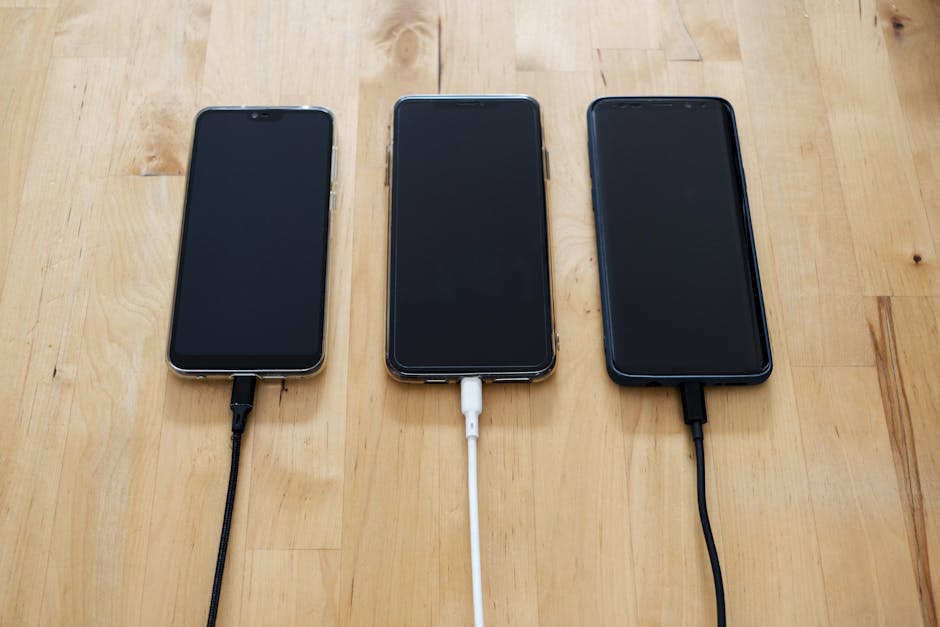
The India of 2026 is a kaleidoscope of digital experiences. While our urban hubs race towards the metaverse and AI-driven interfaces, our villages are embracing digital payments and e-governance with unprecedented enthusiasm. This dual-speed adoption is creating a unique market. According to a recent report highlighted by Gadgets360, affordable 5G smartphones, priced under ₹15,000, are becoming the primary gateway to the internet for millions of first-time users in Tier 2 and Tier 3 cities, as well as rural areas. This isn’t just about faster internet; it’s about access to education, healthcare, and economic opportunities.
The government’s push for digital literacy, coupled with telecom giants expanding network infrastructure, means that the dream of universal connectivity is closer than ever. Local language support and intuitive user interfaces are no longer just add-ons; they are critical features driving adoption. Brands like Lava and Micromax, alongside global players, are specifically tailoring their offerings to meet these diverse needs, understanding that a one-size-fits-all approach simply won’t cut it in India.
Urban Tech: The Bleeding Edge

For the urban Indian youth in 2026, a smartphone isn’t just a device; it’s an extension of their digital identity. They crave the latest innovations: think on-device AI for seamless photo editing and smart home integration, ultra-smooth 120Hz+ AMOLED displays, and cameras that rival professional DSLRs. Flagship phones from Samsung, Apple, and OnePlus continue to dominate this segment, often pushing price points north of ₹50,000.
Gaming performance, fast charging (we’re talking 100W+ becoming standard), and premium build materials are non-negotiable. Social media creators and power users demand robust processors for multitasking and content creation on the go. Urban users are also quick to upgrade, often every 12-18 months, driven by new feature cycles and the desire to stay ahead of the curve. Android Authority has consistently pointed out how Indian urban consumers are among the most discerning globally when it comes to flagship features, often seeking value even at the premium end.
Pros & Cons for Urban Users
- Pros: Access to cutting-edge technology, superior camera systems, powerful processors for gaming and productivity, premium design and build quality, faster software updates.
- Cons: High price points, rapid depreciation, features might be overkill for average users, battery life can sometimes be sacrificed for slim designs.
Rural Tech: Practicality and Connectivity First
Shift your gaze to rural India, and the priorities change dramatically. Here, a smartphone is a tool for empowerment. Durability, long battery life (often 5000mAh+ becoming the baseline), and affordability are paramount. Devices in the ₹8,000 – ₹20,000 range, primarily from brands like Redmi, Realme, and budget Samsung models, are the workhorses of rural connectivity. These phones need to withstand challenging environments, provide reliable connectivity for digital payments (UPI), and support local language interfaces for agricultural apps or online learning platforms.
Camera quality, while appreciated, isn’t about professional-grade photography; it’s about clear video calls to family members, documenting crops, or scanning QR codes. Expandable storage is often preferred over cloud solutions due to inconsistent internet access in some pockets. The focus is on a stable, dependable experience that facilitates daily life and economic activity, rather than chasing the absolute latest gimmick.
Pros & Cons for Rural Users
- Pros: Highly affordable, excellent battery life, robust and durable builds, often better repairability, strong focus on essential connectivity and local language support, good value for money.
- Cons: Less powerful processors (can lag with heavy apps), basic camera performance, slower software updates, limited access to the absolute latest innovations, lower display quality.
Choosing Your 2026 Companion: An India-Specific Buying Guide
Deciding on your next smartphone in 2026 is less about brand loyalty and more about lifestyle alignment. Here’s a quick guide:
- For the Urban Trendsetter (Budget: ₹25,000+): Prioritize display quality (AMOLED, high refresh rate), camera prowess (multi-lens setup, OIS, AI features), processor power (Snapdragon 8 Gen series or equivalent), and fast charging. Consider 5G as a standard feature. Brands like Samsung, OnePlus, Apple, and higher-end Xiaomi/Vivo/Oppo models are your go-to.
- For the Rural Innovator (Budget: ₹8,000 – ₹20,000): Focus on battery capacity (5000mAh minimum), build durability, clear display (even if LCD), good call quality, and strong network reception. Ensure it supports multiple Indian languages and essential apps like UPI and government services. Look for phones from Redmi, Realme, budget Samsung, and even revamped Indian brands like Lava or Micromax. Don’t overlook solid 4G phones if 5G isn’t widespread in your specific area yet.
Remember, the best phone isn’t the one with the highest specs; it’s the one that best serves your unique needs and fits seamlessly into your daily life.
FAQ
Is 5G essential for rural users in 2026?
While 5G penetration is rapidly expanding, it might not be essential for all rural users in 2026. A good 4G connection is still highly capable for most daily tasks like browsing, video calls, and digital payments. However, if your area has 5G coverage or is projected to get it soon, a 5G-enabled device offers future-proofing and faster speeds for content consumption.
What’s the typical budget for a good smartphone in urban India by 2026?
For a “good” urban smartphone that balances features and performance, budgets typically start from ₹25,000 and can go upwards of ₹80,000 for flagships. Mid-range phones around ₹30,000-₹45,000 offer excellent value with premium features like AMOLED displays and capable cameras.
Are Indian brands competitive in 2026?
Absolutely! Indian brands like Lava, Micromax, and Karbonn have made significant strides, especially in the budget and mid-range segments. They often focus on India-specific features, local language support, and robust service networks, making them highly competitive and relevant for a large segment of the Indian population.
How important is software update support for rural users?
Software update support is crucial for all users, including those in rural areas. Updates bring security patches, improve device stability, and sometimes add new features. While rural users might not prioritize the latest Android version number, consistent security updates are vital for protecting their digital transactions and personal data.
Final Thoughts
The year 2026 paints a vivid picture of India’s evolving digital landscape, with smartphones at its heart. The fascinating interplay between urban aspiration and rural empowerment is not just shaping market trends but truly transforming lives. As technology democratizes, the choice of your next smartphone becomes a statement about your world, your needs, and your vision for a connected India. Embrace the diversity, understand your requirements, and pick the device that truly resonates with your journey in this incredible digital revolution.
Looking for more? Explore our budget laptops section.
About the Author