
Published: 2026-01-21 | Updated: 2026-01-21
Feeling overwhelmed by the sheer number of laptops hitting the Indian market in 2026? The choices seem endless, from sleek ultrabooks to powerful gaming rigs, and now, the rise of AI-powered PCs. How do you find the perfect companion for your daily grind, creative pursuits, or intense gaming sessions?
Don’t fret! We’re here to demystify the laptop buying process for the Indian consumer in 2026, cutting through the jargon and focusing on what truly matters.
Quick Summary
- AI PCs are a major trend, offering efficiency and accelerated tasks.
- Prioritize screen quality (OLED/Mini-LED) and ample RAM (16GB+).
- Battery life remains paramount for the on-the-go Indian user.
- Balance cutting-edge features with your actual usage needs and budget.
- Look for future-proofing elements like Wi-Fi 7 and strong connectivity options.
The Laptop Landscape of 2026: What’s Changed?
Recommended Laptops & PCs Picks
Acer Aspire Lite
- Responsive performance with 8GB RAM & SSD.
- Ideal for everyday student tasks and multimedia.
- Reliable battery life for on-the-go learning.
Price: ₹32,990
HP 15s
- Sleek design with 8GB RAM and fast SSD.
- Perfect for online classes and light productivity.
- HD display and essential connectivity for students.
Price: ₹35,990
Lenovo IdeaPad Slim 3
- Efficient processing with 8GB RAM and NVMe SSD.
- Lightweight build for easy portability on campus.
- Durable design for daily student usage.
Price: ₹37,990

The biggest disruptor in the 2026 laptop scene is undoubtedly the proliferation of AI PCs. These machines come equipped with dedicated Neural Processing Units (NPUs) that handle AI-specific tasks with remarkable efficiency, freeing up your main CPU and GPU. As Gadgets360 recently highlighted, India is rapidly adopting this trend, with many users seeing the benefits in everything from real-time language translation during video calls to accelerated photo and video editing.
Beyond AI, we’re seeing more refined designs, thinner bezels, and a push towards sustainable manufacturing. Battery technology continues to improve, and display panels are sharper and more vibrant than ever before. Connectivity is also getting a boost, with Wi-Fi 7 becoming increasingly common, ensuring lightning-fast internet speeds for those crucial work-from-home days or streaming marathons.
Key Specifications to Prioritize for the Indian User

When you’re navigating the bustling electronics aisles or browsing online, here’s what to keep an eye on:
- Processor (CPU + NPU): For mainstream users, an Intel Core Ultra or AMD Ryzen AI 300 series processor offers a fantastic balance of raw power and AI capabilities. If you’re a hardcore gamer or professional video editor, look for the highest-tier CPUs paired with discrete GPUs.
- RAM: 16GB of RAM is now the sweet spot for smooth multitasking. 32GB is becoming common for power users and creatives, especially with AI applications demanding more memory.
- Storage: NVMe SSDs are standard and offer blazing-fast boot times and app loading. Aim for at least 512GB, but 1TB provides much-needed breathing room for your digital life.
- Display: OLED and Mini-LED screens offer incredible contrast and color accuracy. For most, a Full HD (1920×1080) resolution is perfectly adequate, but QHD+ or 4K screens are a treat for content consumption and creation.
- Battery Life: This is a non-negotiable for many Indians. Look for laptops promising 10+ hours of real-world usage, especially if you commute or work from different locations.
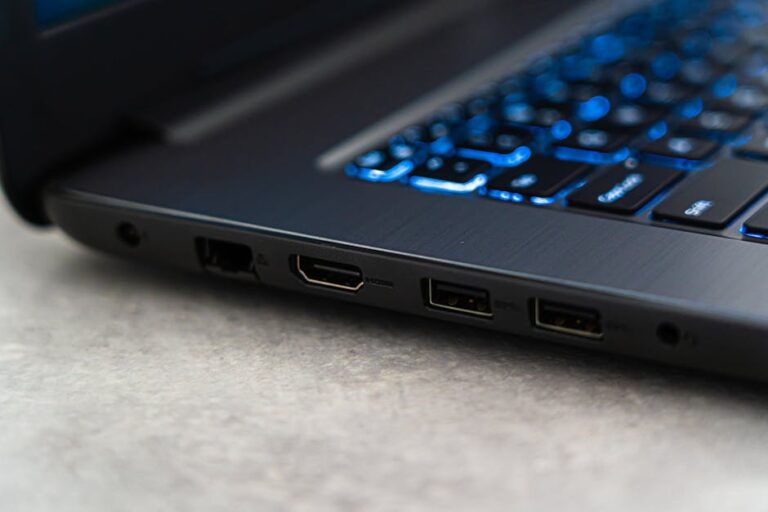
- Build Quality & Ports: Durability matters. A metal chassis feels premium and lasts longer. Ensure you have a good selection of ports, including USB-C (Thunderbolt 4 or USB4), USB-A, and HDMI.
Laptop Showdown: AI Laptops vs. Traditional Powerhouses

The big question on everyone’s mind: should you embrace the AI revolution or stick with a tried-and-true powerhouse? Let’s break it down.
AI Laptops (e.g., Intel Core Ultra, AMD Ryzen AI 300 series)
- Pros:
- Exceptional power efficiency for AI tasks, leading to better battery life.
- Accelerated performance in applications leveraging AI (e.g., Adobe apps, video conferencing tools).
- New smart features like advanced noise cancellation, background blur, and eye-tracking.
- Often designed with portability and modern aesthetics in mind.
- Cons:
- Generally higher price point for the bleeding-edge models.
- The full potential of NPUs is still being unlocked by software developers.
- May not offer the absolute raw GPU grunt for top-tier gaming without a dedicated graphics card.
Traditional Powerhouses (e.g., High-end Intel Core i9/AMD Ryzen 9 with discrete GPUs)
- Pros:
- Unmatched raw CPU and GPU performance for demanding tasks like 4K video rendering, 3D modeling, and AAA gaming.
- Established ecosystem of software and drivers optimized for maximum performance.
- Often come with robust cooling systems to handle sustained workloads.
- Cons:
- Can be less power-efficient, leading to shorter battery life.
- Typically heavier and bulkier, sacrificing portability.
- Might lack the dedicated NPU benefits seen in newer AI PCs, impacting efficiency in specific tasks.
As Android Authority noted recently, for the average Indian user, an AI PC offers a compelling blend of features and efficiency for a better everyday experience, while dedicated professionals might still lean towards the raw power of a traditional workstation.
Making Your Choice: A Price-Performance Balancing Act
Your budget will heavily influence your decision. For under ₹50,000, you’ll find solid everyday performers, often with decent screens and sufficient RAM. Stepping up to the ₹70,000-₹1,00,000 range unlocks more premium AI PCs, better build quality, and potentially discrete graphics. Anything above ₹1,00,000 enters the high-performance and professional-grade territory.
Consider what you truly need. Are you a student needing a reliable machine for studies and entertainment? A content creator who demands processing power? Or a casual user who values portability and battery life above all? Align your priorities with the features each laptop category offers.
FAQ
Do I really need an AI laptop in 2026?
For most users, an AI laptop offers tangible benefits in efficiency, battery life, and smart features, making it a very compelling choice for everyday tasks and even some creative work. While not strictly “necessary” for basic browsing, the experience is generally smoother and more future-proof.
What’s a good budget for a decent laptop in India today?
A budget between ₹60,000 and ₹85,000 in 2026 will get you a very capable machine with a modern processor (potentially with an NPU), 16GB RAM, a fast SSD, and a good display, suitable for most users.
Is battery life still a major concern?
Absolutely. With frequent power cuts in some regions and the need for mobility, long battery life remains a top priority for Indian consumers. Look for models offering 8+ hours of real-world usage to avoid constantly searching for a power outlet.
Should I wait for new models or buy now?
There’s always something new on the horizon in tech! However, 2026 models are quite mature in terms of AI integration and overall performance. If you need a laptop now, there are excellent options available. If your current machine is still serving you well, waiting another 6-12 months might bring incremental improvements or better deals.
Final Thoughts
The laptop market in 2026 is an exciting one, brimming with innovation, especially with the rise of AI PCs. Don’t let the sheer volume of choices paralyze you. Instead, focus on your personal needs, your budget, and the specific tasks you’ll be performing. By prioritizing key specifications and understanding the distinct advantages of AI-powered machines versus traditional powerhouses, you’ll confidently choose a laptop that not only meets your demands today but also serves you well into the future.
Looking for more? Explore our budget laptops section.
About the Author