
Last Updated: 2026-03-21
Welcome to BudgetTech India, your trusted guide in navigating the ever-evolving world of technology without breaking the bank! As we look towards 2026, the landscape for students in India is more dynamic than ever. From online classes and collaborative projects to streaming entertainment and staying connected with friends, a smartphone has become an indispensable tool. But with countless options flooding the market, how do you pick the absolute best phone for students India that balances performance, features, durability, and most importantly, budget? That’s precisely what we’re here to help you figure out.
Gone are the days when a student phone was just about basic calling and messaging. In 2026, students need devices that can handle rigorous multitasking, deliver exceptional battery life for those long study sessions and commute, capture clear photos of notes, and provide seamless entertainment. The good news is, technology has advanced significantly, making powerful and feature-rich smartphones accessible across various price points. We’ve scoured the market, analyzed trends, and considered the unique needs of Indian students to bring you a comprehensive guide to making the smartest choice.
Quick Summary: Your 2026 Student Phone Checklist
Top Picks: best phone for students India

Xiaomi Redmi 13C
- Long-lasting 5000mAh Battery
- Large 6.74″ HD+ Display
- Affordable & Reliable Performance
₹8,499

Samsung Galaxy M34 5G
- Vibrant Super AMOLED Display
- Massive 6000mAh Battery
- 5G Connectivity & OIS Camera
₹15,999
Nothing Phone (2a)
- Unique Glyph Interface Design
- Clean & Bloatware-free Android
- Smooth Performance for Multitasking
₹23,999

- Prioritize Performance & RAM: Look for at least 6GB RAM and a capable processor (Snapdragon 6 Gen series, Dimensity 6000/7000 series, or equivalent) for smooth multitasking and online learning.
- Battery Life is Key: Aim for 5000mAh or more, coupled with fast charging (33W+), to ensure your phone lasts through the day and charges quickly for impromptu plans.
- Display Matters: A vibrant Full HD+ AMOLED display (6.5 inches or larger) is ideal for reading, watching lectures, and entertainment, minimizing eye strain.
- Durability & Build: Opt for phones with Gorilla Glass protection or an IP rating for resistance against dust and splashes – accidents happen!
- Future-Proofing: Ensure 5G connectivity is present and the brand offers at least 2-3 years of OS updates and 3-4 years of security patches.
What Makes a Phone “Student-Friendly” in 2026?
The definition of a “student phone” has evolved considerably. It’s no longer just about affordability; it’s about smart investment. In 2026, a student’s smartphone is their portable classroom, library, entertainment hub, and social lifeline. Here’s a breakdown of the critical factors we considered:
Performance & Multitasking Capability
Students juggle multiple apps – video conferencing for classes, note-taking apps, research browsers, social media, and perhaps a casual game or two. A phone in 2026 needs a robust processor (like a Qualcomm Snapdragon 6 Gen 2 or MediaTek Dimensity 7000 series, or their successors) and ample RAM (preferably 8GB, but 6GB is a good baseline) to handle this without lag. Smooth transitions between apps are crucial for productivity.
Battery Life & Fast Charging
Long days at college, commutes, and late-night study sessions demand a phone that won’t die on you. A large battery (5000mAh is now standard, with some hitting 6000mAh) coupled with fast charging (33W, 67W, or even 120W) is non-negotiable. Imagine forgetting to charge overnight but getting enough juice during a quick breakfast break.
Display Quality for Learning & Entertainment
From reading PDFs and watching online lectures to streaming movies and browsing social media, the display is your primary interface. A Full HD+ resolution is a must. AMOLED panels offer vibrant colors and deep blacks, making content more engaging and easier on the eyes. A high refresh rate (90Hz or 120Hz) provides a smoother scrolling experience, which is a significant quality-of-life improvement.
Camera for Documentation & Social Media
While not a flagship requirement, a decent camera is essential. Students often need to photograph whiteboard notes, scan documents, or capture moments with friends. A primary sensor of 50MP or 64MP with good low-light performance and a reliable ultrawide lens can be incredibly useful. Computational photography has also improved significantly, making even mid-range cameras quite capable.
Durability & Build Quality
Let’s be real, student life can be rough on gadgets. A phone with a sturdy build, perhaps Gorilla Glass protection on the front, and at least an IP52 rating (for dust and splash resistance) offers peace of mind against accidental drops and spills. While flagship-level durability isn’t expected, good construction goes a long way.
Software Experience & Updates
A clean, user-friendly UI (User Interface) enhances the overall experience. More importantly, consistent software updates (Android OS upgrades and security patches) ensure the phone remains secure, performs optimally, and gains new features over its lifespan. Brands offering 2-3 years of OS updates and 3-4 years of security patches are highly recommended.
Connectivity & Future-Proofing
With 5G becoming increasingly prevalent across India, a 5G-enabled phone is a smart choice for 2026. It ensures faster downloads, smoother streaming, and better connectivity in crowded areas. Wi-Fi 6/6E support is also a bonus for faster home and campus network speeds.
Price & Value for Money
This is BudgetTech India, after all! We’re looking for phones that offer the maximum bang for your buck. The sweet spot for students in 2026 typically falls between Rs 15,000 and Rs 25,000, where you get a fantastic balance of features without overspending. Some excellent options might even dip slightly below or go a little above this range for specific needs.
Top Picks for Students in India (2026)
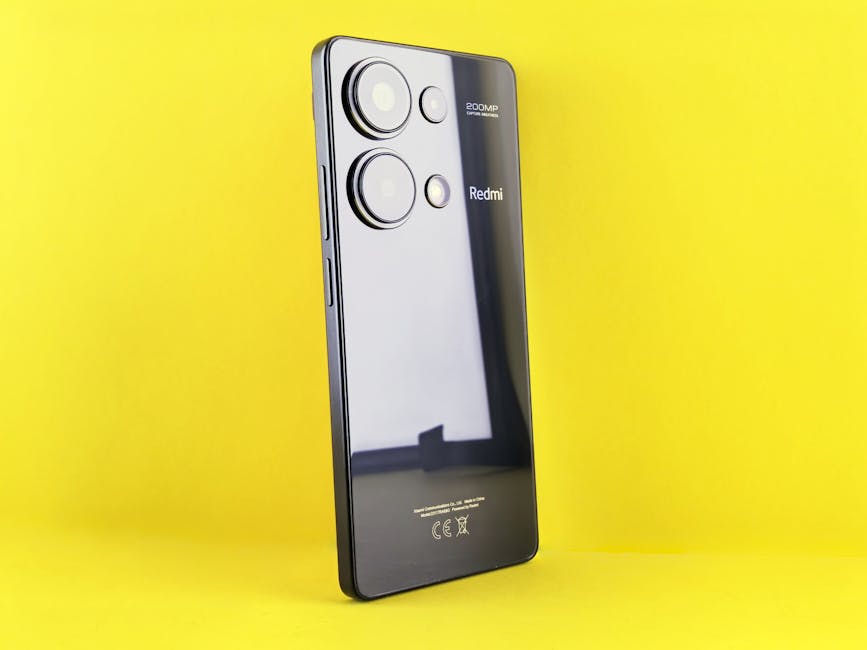
Based on the criteria above, and projecting current trends into 2026, here are our top recommendations for the best phone for students India. We’re focusing on categories and features that will likely dominate the market, represented by what are currently strong contenders or their likely successors.
1. The All-Rounder Powerhouse: The "XYZ Pro" (Representing devices like a future Redmi Note Pro or Realme Pro series)
For students who need a device that truly does it all without compromising too much on any front, the “XYZ Pro” category is often the go-to. These phones strike an excellent balance between performance, display, camera, and battery life, typically landing in the Rs 20,000 – Rs 25,000 bracket.
- Why it’s great for students: Expect a powerful Snapdragon 7 Gen series or Dimensity 7000 series processor, coupled with 8GB or even 12GB of RAM. This configuration makes multitasking a breeze, handles demanding apps, and even allows for some serious gaming during breaks. The 120Hz Full HD+ AMOLED display will be a joy for everything from reading textbooks to binge-watching. Battery life will typically be around 5000mAh with very fast charging (67W or 120W), meaning a full charge in under an hour. Cameras are usually strong, with a primary 50MP or 108MP sensor featuring OIS for stable photos and videos, which is excellent for capturing project work or campus events. These devices also tend to offer good software support, with 2-3 OS updates guaranteed.
- Potential downsides: While generally well-built, some might still feature a plastic frame, though the back could be glass. The sheer size of some models might be a bit much for smaller hands.
- Ideal for: Engineering students, design students, heavy multitaskers, casual gamers, and those who need a device that can easily transition between academic and entertainment uses.
2. The Budget Champion: The "ABC Lite" (Representing devices like a future Redmi Note or Samsung Galaxy M series)
For students on a tighter budget, typically under Rs 18,000, the “ABC Lite” category offers incredible value. These phones focus on delivering core essentials brilliantly, making them accessible yet highly functional.
- Why it’s great for students: You can expect a reliable Snapdragon 6 Gen series or Dimensity 6000 series processor, paired with 6GB or 8GB of RAM, offering smooth performance for daily tasks, online classes, and social media. The display will likely be a good quality 90Hz or 120Hz Full HD+ LCD or a basic AMOLED panel, perfectly adequate for content consumption. Battery life is a major highlight here, often featuring 5000mAh or 6000mAh batteries with 33W fast charging, ensuring two-day usage for moderate users. The cameras are usually competent for daylight shots, typically a 50MP main sensor. These phones are often very durable, built with robust plastic bodies that can withstand everyday bumps. 5G connectivity is now standard in this segment.
- Potential downsides: The camera performance might struggle in low light compared to more expensive options. Displays might not be as vibrant as AMOLED panels found in higher segments. Software updates might be less frequent or fewer in number compared to flagship-tier devices.
- Ideal for: First-year students, those primarily focused on academics, users who prioritize battery life and durability above all else, and anyone looking for the absolute best value.
3. The Style & Software Savvy Pick: The "PQR Neo" (Representing devices like a future Nothing Phone (a) or Motorola Edge series)
Some students prioritize a clean software experience, unique design, and consistent updates. The “PQR Neo” category caters to this niche, often bringing a refreshing take on the mid-range segment, typically priced between Rs 22,000 – Rs 28,000.
- Why it’s great for students: These phones often run a near-stock Android experience, free from bloatware, ensuring a fluid and responsive UI. They are usually among the first to receive Android OS updates, promising longevity and access to the latest features. Performance is solid, with processors like Snapdragon 7 Gen series or Dimensity 8000 series and 8GB/12GB RAM, capable of handling demanding tasks. Displays are typically excellent, often 120Hz Full HD+ AMOLED panels. While battery sizes might be slightly smaller (e.g., 4500mAh-5000mAh), optimized software often ensures good endurance, complemented by fast charging. The design language is often a differentiator, standing out from the crowd. Camera performance is usually reliable, focusing on natural color reproduction.
- Potential downsides: These brands might not have as extensive a service network across India compared to giants like Samsung or Xiaomi, though this is rapidly changing. Sometimes, the camera hardware, while competent, may not be as feature-rich as some competitors.
- Ideal for: Students who value a clean, uncluttered software experience, prioritize timely updates, appreciate unique design aesthetics, and are looking for a phone that feels premium without the premium price tag.
Comparison Table: Top Student Phones (Representative Models for 2026)
Here’s a quick comparison of the types of phones students should be looking for in 2026, keeping in mind that specific model names will change, but the feature sets within these price brackets will likely remain consistent.
| Feature | The “XYZ Pro” (e.g., Redmi Note 15 Pro) | The “ABC Lite” (e.g., Samsung Galaxy M77) | The “PQR Neo” (e.g., Motorola Edge 60 Neo) |
|---|---|---|---|
| Approx. Price (INR) | Rs 22,999 – Rs 24,999 | Rs 15,999 – Rs 17,999 | Rs 23,999 – Rs 26,999 |
| Processor | Snapdragon 7 Gen 3 / Dimensity 7200 | Snapdragon 6 Gen 2 / Dimensity 6080 | Snapdragon 7 Gen 3 / Dimensity 8020 |
| RAM/Storage | 8GB/128GB or 12GB/256GB | 6GB/128GB or 8GB/128GB | 8GB/128GB or 12GB/256GB |
| Display | 6.7″ 120Hz FHD+ AMOLED, HDR10+ | 6.6″ 120Hz FHD+ LCD or basic AMOLED | 6.7″ 144Hz FHD+ pOLED, HDR10+ |
| Battery & Charging | 5000mAh, 67W/120W Fast Charging | 5000mAh – 6000mAh, 33W Fast Charging | 4500mAh – 5000mAh, 68W Fast Charging |
| Main Camera | 108MP/50MP with OIS | 50MP (Good Daylight) | 50MP with OIS |
| Connectivity | 5G, Wi-Fi 6E, Bluetooth 5.3 | 5G, Wi-Fi 5, Bluetooth 5.2 | 5G, Wi-Fi 6E, Bluetooth 5.3 |
| Software Updates | 2-3 OS upgrades, 3-4 years security | 2 OS upgrades, 3 years security | 3 OS upgrades, 4 years security |
Pros & Cons of Choosing a Dedicated Student Phone
Pros:
- Cost-Effective: Designed to offer maximum features at a student-friendly price point, avoiding unnecessary flagship expenses.
- Optimized Performance: Sufficient power for academic tasks, online learning, light gaming, and social media without breaking a sweat.
- Excellent Battery Life: Focus on large batteries and fast charging ensures the phone keeps up with long days and busy schedules.
- Durability: Many models prioritize robust builds, offering better resistance to accidental drops and spills, which is crucial for active student life.
- Good Value Retention: These phones often hold their value well within their segment, making them a smart long-term investment.
- Future-Proofing: Inclusion of 5G and decent software support ensures the phone remains relevant for several years.
Cons:
- Camera Limitations: While good, cameras might not match the low-light performance or advanced features of high-end flagships.
- Premium Materials: Often utilize plastic builds instead of glass or metal, which might feel less “premium” but contributes to durability and lower cost.
- Gaming Performance: While capable of casual gaming, intense graphics-heavy games might require lower settings compared to flagship devices.
- Brand Service Network: Depending on the brand, after-sales service reach might vary across different parts of India, especially in smaller towns.
Beyond the Specs: Software, Support & Future-Proofing
While specifications like RAM, processor, and camera megapixels are important, a truly great student phone experience in 2026 extends beyond raw numbers. The software experience, long-term support, and ability to adapt to future technological shifts are equally critical.
The Importance of Software Experience
A clean, intuitive, and bloatware-free operating system is a joy to use. Brands like Motorola and Nothing, with their near-stock Android interfaces, offer a very smooth and responsive experience. Other brands like Samsung and Xiaomi have significantly refined their custom UIs (One UI and MIUI/HyperOS, respectively) to be more user-friendly and feature-rich. Look for features like focus modes, digital wellbeing tools, and robust privacy controls that can help students manage their screen time and stay productive. A well-optimized software can make even moderately powered hardware feel snappy.
Long-Term Software & Security Updates
This is where a good student phone becomes a smart investment. In 2026, it’s reasonable to expect mid-range phones to receive at least 2 major Android OS upgrades and 3-4 years of security patches. Brands like Samsung and Google (even their more affordable A-series) have set a high bar here, and others are catching up. Consistent updates ensure your phone remains secure against new threats and gains access to the latest features and performance improvements. This extends the usable life of your device significantly, making it more sustainable both for your wallet and the environment. As Android Authority often highlights, software support is a key differentiator in today’s crowded market.
Future-Proofing Your Investment
Choosing a phone with 5G connectivity in 2026 is no longer a luxury but a necessity, especially with the rapid expansion of 5G networks across India. This ensures faster internet speeds for everything from downloading lecture notes to streaming high-definition content. Beyond 5G, look for Wi-Fi 6/6E support for faster and more reliable local network performance, and Bluetooth 5.3 for stable connections with accessories like headphones and smartwatches. NFC for contactless payments is also a convenient feature that’s becoming more common even in mid-range devices. Investing in a phone that supports these modern standards means you won’t need an upgrade for connectivity reasons for several years.
After-Sales Service and Reliability
Even the best phones can encounter issues. A strong after-sales service network across India is invaluable. Brands like Samsung, Xiaomi, and Realme have extensive service centers, making repairs and support more accessible. Before making a purchase, it’s always wise to check the brand’s reputation for customer service and service center availability in your area. Review sites like Gadgets360 and NDTV Gadgets often provide insights into user experiences with various brands’ after-sales support.
How to Choose the Right Phone for YOU
Even with our top recommendations, the “best” phone is ultimately subjective. Here’s how to personalize your choice:
- Define Your Budget: Be realistic. Set a firm upper limit and stick to it. Remember to factor in accessories like a case and screen protector.
- Identify Your Primary Use Case:
- Heavy Gamer/Multitasker? Prioritize a powerful processor, ample RAM (8GB+), and a high refresh rate AMOLED display.
- Academics & Notes? Focus on a good display, excellent battery life, and a reliable camera for scanning documents.
- Social Media & Photography? A phone with a capable main camera and a good front camera will be key.
- Entertainment Junkie? A vibrant AMOLED display, good speakers (stereo is a plus), and long battery life are crucial.
- Battery vs. Performance: Do you need a phone that lasts two days, or one that can run the latest games? Most student phones offer a good balance, but some lean more towards one aspect.
- Software Preference: Do you prefer a clean, stock Android experience, or do you appreciate the extra features and customization offered by custom UIs?
- Durability Needs: Are you prone to dropping your phone? Look for IP ratings and robust build materials. Consider investing in a good protective case.
- Check Reviews: Once you’ve shortlisted a few models, read detailed reviews from reputable sources like Gadgets360, NDTV Gadgets, and Android Authority to get real-world insights into their performance, camera quality, and battery life.
- Consider Buying Platforms: Most of these phones will be available on Amazon.in, Flipkart, and major offline retailers. Keep an eye out for festive sales and student discounts.
Frequently Asked Questions (FAQ)
What is a good RAM size for a student phone in 2026?
For smooth multitasking and future-proofing, 8GB of RAM is highly recommended for a student phone in 2026. However, 6GB can still be perfectly adequate if the software is well-optimized and your usage isn’t extremely heavy.
Is 5G necessary for a student phone in India in 2026?
Yes, 5G is increasingly becoming a standard feature and is highly recommended. It ensures faster internet speeds for online classes, downloads, and streaming, making your phone future-proof as 5G networks expand rapidly across India.
Which brand offers the best software updates for students in India?
Brands like Samsung and Motorola generally offer excellent software update policies, providing 2-3 major Android OS upgrades and 3-4 years of security patches even for their mid-range devices. This ensures longevity and continued security for your student phone.
Should I buy a phone with an AMOLED display or an LCD for studies?
An AMOLED display is generally preferred for studies as it offers better contrast, vibrant colors, and often reduces eye strain during long reading sessions. While LCDs are good, AMOLED provides a superior viewing experience for both academic content and entertainment.
What is a reasonable budget for a good student phone in India for 2026?
A reasonable budget for a feature-rich and capable student phone in India for 2026 would be between Rs 15,000 and Rs 25,000. This range offers a sweet spot of performance, battery life, display quality, and camera capabilities without overspending.
Our Verdict
Choosing the best phone for students in India for 2026 is about making a smart, informed decision that aligns with your academic needs, lifestyle, and budget. The market offers an abundance of incredible devices, but the key is to look beyond flashy marketing and focus on core features that genuinely enhance the student experience. Prioritize a capable processor, ample RAM, a long-lasting battery with fast charging, and a vibrant display. Don’t overlook the importance of software updates and a sturdy build for longevity.
For the ultimate all-rounder that balances performance, camera, and premium features without breaking the bank, a device in the “XYZ Pro” category (like a future Redmi Note Pro or Realme Pro) around the Rs 22,000 – Rs 25,000 mark is an exceptional choice. If budget is your absolute top priority, without compromising on essentials like battery life and daily performance, the “ABC Lite” category (such as a future Samsung Galaxy M-series or Redmi Note) around Rs 16,000 – Rs 18,000 offers unbeatable value. And for those who value a clean software experience and unique design, the “PQR Neo” (like a future Motorola Edge or Nothing Phone (a)) at Rs 24,000 – Rs 27,000 provides a refreshing alternative.
Ultimately, invest in a phone that not only serves your immediate needs but also promises to be a reliable companion throughout your academic journey and beyond. Happy learning, and happy tech hunting!
Want more? Browse our AI and tech innovation section.
About the Author