

India’s AI Tapestry: Weaving Digital Threads Across Urban and Rural Lives
Recommended AI & Innovation Picks
Amazon Echo Dot (5th Gen)
- Hands-free AI assistant for daily tasks and information.
- Supports Hindi, English, and other Indian languages.
- Integrates with smart home devices for voice control.
Price: ₹5,499
Lava Yuva 2 Pro Smartphone
- Affordable platform for AI agriculture and health applications.
- Supports multiple Indian languages for voice-assisted AI.
- Durable build and long battery life suitable for rural use.
Price: ₹8,999
Realme Pad Mini (AI Learning Tablet)
- Provides access to AI-enabled personalized learning platforms.
- Supports multiple regional languages for educational content.
- Affordable device for widespread educational access in remote areas.
Price: ₹12,990

The year 2025 hums with a quiet revolution across India, a symphony of silicon and spirit. Imagine Anya, sipping her masala chai in a Bangalore high-rise, effortlessly dictating her grocery list to her AI personal assistant. “Order organic vegetables, same as last week, and remind me about the metro fare update,” she murmurs. The AI, integrated into her smart home, confirms, then pings her with a real-time traffic prediction for her evening commute. Anya’s urban life, fast-paced and interconnected, is optimized by AI’s invisible hand, making every decision a little smoother, every task a little quicker.
Miles away, in a sun-drenched village near Nashik, Rohan checks his smartphone. He’s not ordering groceries, but rather analyzing the soil moisture levels in his field, provided by an AI-powered agricultural app. “Looks good for tomorrow’s irrigation,” a gentle, localized voice-over in Marathi confirms, also suggesting optimal fertilizer use based on predictive analytics. Later, his elderly mother uses the same phone to describe a persistent cough to an AI health bot, which offers initial advice and suggests a local clinic visit, all in her native tongue. Anya and Rohan, though worlds apart, are both navigating a new India, shaped by the transformative power of Artificial Intelligence. Their experiences highlight a fascinating dichotomy: how AI and innovation are being embraced and adapted differently across India’s urban-rural divide.
Bridging the Digital Chasm: AI Adoption’s Diverse Paths
The narrative of AI adoption in India is not monolithic. In bustling urban centres, AI is largely about convenience, efficiency, and enhancing sophisticated digital lifestyles. Smart city initiatives leverage AI for traffic management, waste optimization, and public safety. E-commerce thrives on AI-driven personalization, recommendation engines, and lightning-fast logistics. Financial services employ AI for fraud detection, personalized investment advice, and seamless digital payments. Urban India is a hotbed for rapid experimentation, where startups often pilot cutting-edge AI solutions directly to tech-savvy consumers.
However, the story shifts dramatically as you move beyond the city limits. Rural India’s relationship with AI is often more foundational, focusing on solving pressing everyday problems. Here, AI isn’t just about luxury; it’s about accessibility, information, and empowerment. The primary drivers for rural AI adoption include increased smartphone penetration, affordable data plans, and government initiatives promoting digital literacy. Yet, challenges persist: reliable internet infrastructure, consistent electricity, and the need for AI solutions to be deeply contextualized, multilingual, and intuitive for users with varying levels of digital literacy. The focus is less on “smart homes” and more on “smart farms,” “smart health,” and “smart education.”
AI in Action: Real-World Applications Across India

The applications of AI are as diverse as India itself, catering to the unique needs of its populace.
Agriculture: Fueling India’s Backbone
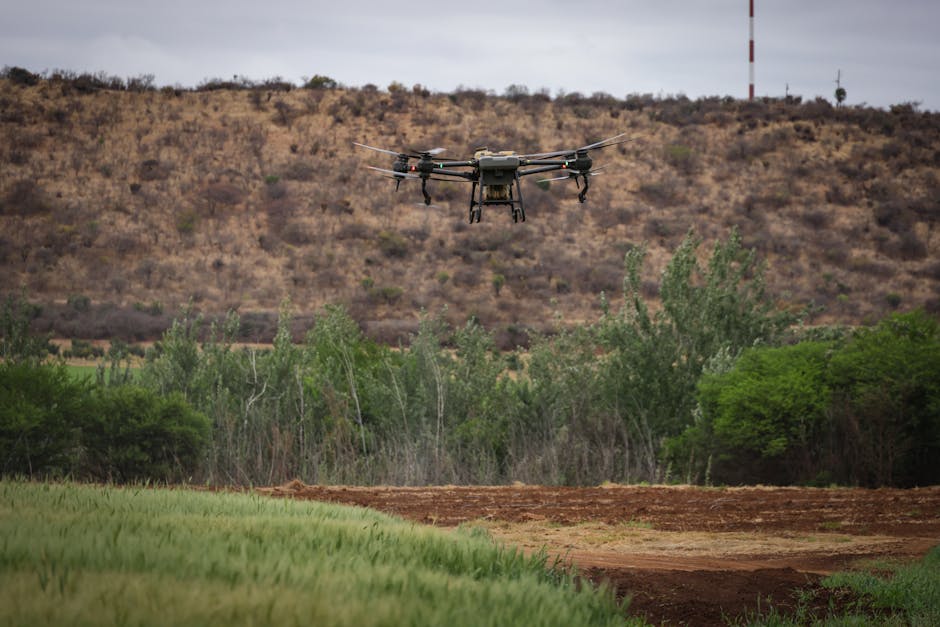
In rural areas, AI is revolutionizing farming. Companies like Cropin leverage AI and satellite imagery to provide farmers with actionable insights on crop health, pest detection, and yield prediction. Farmers receive localized weather forecasts and market price alerts, helping them make informed decisions to increase productivity and profitability. For instance, an AI-powered drone might identify specific patches of crops needing pesticide, reducing overall chemical use. This contrasts with urban food tech startups using AI for hyper-efficient supply chains that connect directly to consumers.
Healthcare: Reaching the Last Mile
AI is democratizing healthcare access. While urban hospitals utilize AI for advanced diagnostics, drug discovery, and robotic surgeries, rural areas benefit from AI-powered telemedicine platforms. Voice-assisted AI bots, often integrated into government health apps, can triage symptoms, provide basic health information in local languages, and connect patients to remote doctors. Initiatives like the AI-powered eye screening tools being deployed in remote clinics are helping detect conditions like diabetic retinopathy early, preventing blindness where specialists are scarce. As NDTV Gadgets recently highlighted, “AI-driven diagnostics are bridging critical healthcare gaps in India’s underserved regions.”
Education: Personalized Learning for All
AI-powered personalized learning platforms are transforming education. In urban schools, AI tutors adapt to individual student paces, offering customized content and feedback. In rural settings, where teacher shortages can be acute, AI-enabled educational content delivered via low-cost tablets or community centres is proving invaluable. These platforms can translate lessons into various regional languages, making quality education more accessible and engaging. Imagine an AI tutor adapting to a child’s learning style, whether they are in a bustling Mumbai classroom or a village school in Rajasthan.
Financial Inclusion: Banking the Unbanked
AI is a game-changer for financial inclusion. Urban users benefit from AI-powered investment advisors and secure digital payment systems. For the unbanked in rural India, AI is enabling micro-finance solutions and easier access to credit. Voice-assisted banking apps, often integrated with the UPI framework, allow users to conduct transactions and access financial services without needing high digital literacy, bypassing language barriers. Gadgets360 has reported on how AI-powered chatbots are improving customer service for regional banks, making financial services more approachable for rural populations.
Evolving Together: The Future of AI in India
The narrative of AI adoption in India is one of incredible potential. While urban centres drive innovation with sophisticated AI applications, rural India is demonstrating how AI can be a powerful tool for equitable development and basic needs fulfillment. The challenge lies in ensuring that the digital divide doesn’t widen, but rather narrows, as technology progresses. This requires continued investment in infrastructure, digital literacy programs, and the development of AI solutions that are inherently inclusive, localized, and affordable.
Final Thoughts
As India marches towards 2025 and beyond, AI isn’t just a technological marvel; it’s becoming a fundamental thread in the fabric of everyday life, from the bustling metros to the quietest villages. The true genius of “AI for Bharat” will lie not in replicating Silicon Valley models, but in crafting solutions that are uniquely Indian – solutions that speak local languages, understand local contexts, and solve local problems with global-standard innovation. It’s about building a future where an urban professional’s smart assistant and a rural farmer’s crop advisor are both celebrated as equally vital contributions to a truly intelligent, inclusive India.
Looking for more? Explore our AI innovations section.
About the Author