Published: 2026-02-27 | Updated: 2026-02-27
Ever wondered if the smartphone in your pocket tells a different story than one clutched by someone in another part of India? In 2026, our nation’s tech narrative is more diverse than ever.
From bustling metro streets to serene village landscapes, the digital device connecting us to the world adapts to its surroundings. Let’s dive into how urban and rural India are embracing smartphone technology, creating two distinct yet equally vibrant tech ecosystems.
Quick Summary
Recommended Smartphones Picks
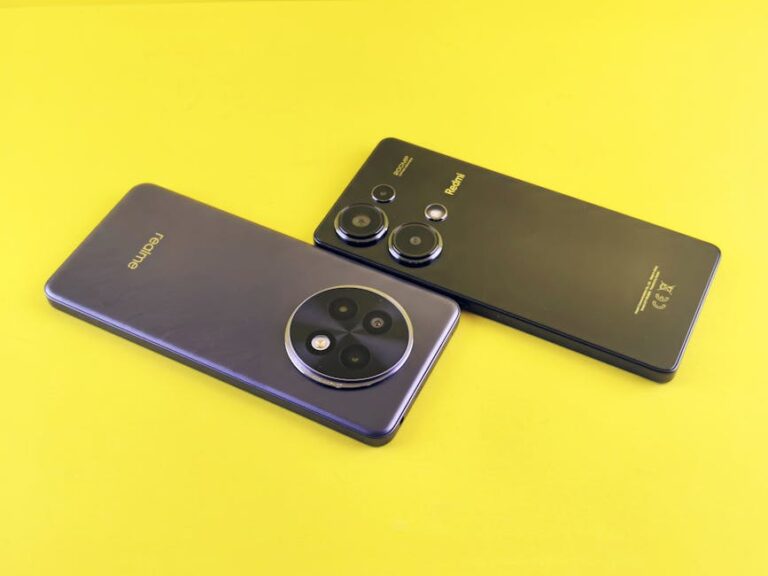
Redmi Note 13 5G
- High-resolution 108MP camera for detailed photos
- Fast 5G connectivity for seamless streaming and gaming
- Long-lasting 5000mAh battery with 33W fast charging
Price: ₹16,999
Realme 12 5G
- Premium watch-inspired design and slim profile
- Sharp 108MP camera with 3x in-sensor zoom
- Reliable 5000mAh battery with 45W SuperVOOC charging
Price: ₹16,999
Samsung Galaxy M34 5G
- Massive 6000mAh battery for extended usage
- OIS-enabled 50MP camera for stable and clear shots
- Vibrant 120Hz Super AMOLED display for immersive viewing
Price: ₹16,999

- Urban users prioritize cutting-edge features, camera quality, and ecosystem integration, often willing to pay a premium.
- Rural adoption is driven by affordability, robust battery life, and access to essential services and entertainment.
- The rise of affordable 5G smartphones is a game-changer, bridging the digital divide more rapidly than ever.
- Local language support and intuitive interfaces are crucial for wider adoption across both demographics.
- India’s diverse market demands a multi-faceted approach from manufacturers, catering to varying needs and budgets.
The Urban Tech Landscape: Speed and Sophistication
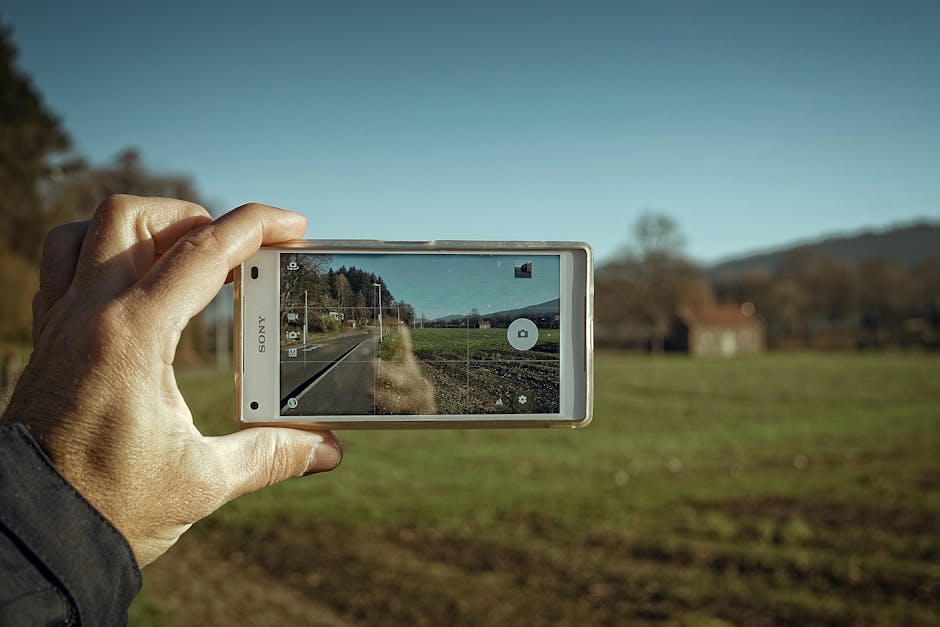
Walk through Delhi’s cyber hubs or Bengaluru’s tech parks, and you’ll see a prevalence of flagship devices. Urban consumers in 2026 are not just looking for a phone; they’re investing in an extension of their digital lives. Think the latest iPhones, Samsung’s Ultra series, or OnePlus’s top-tier models. These users crave lightning-fast 5G connectivity, professional-grade camera setups, seamless integration with smart home devices, and powerful processors for gaming or demanding productivity apps.
Brand perception, software updates, and access to a vast accessory ecosystem also play a significant role. According to a recent analysis by Gadgets360, premium smartphone sales in India’s Tier-1 cities saw a robust 18% year-on-year growth in early 2026, indicating a strong appetite for high-end technology and experiences. For them, a smartphone is a statement, a productivity tool, and an entertainment hub rolled into one sophisticated package.
Rural India’s Smartphone Revolution: Bridging the Divide

Venture into India’s heartland, and the smartphone story shifts dramatically, though no less compellingly. Here, affordability, durability, and battery life reign supreme. Brands like Xiaomi, Realme, and budget offerings from Samsung and Lava dominate, providing incredible value for money. These devices are often the primary, and sometimes only, window to the internet for millions, facilitating access to education, banking, government services, agricultural information, and entertainment.
The transition from feature phones to affordable smartphones, often priced below INR 10,000, has been transformative. Long-lasting batteries are crucial for areas with intermittent power supply, and robust builds can withstand challenging environments. Local language support and simple, user-friendly interfaces are paramount. The expansion of affordable 5G networks, even in remote areas, has unlocked new possibilities, enabling video calls with distant family, online learning for children, and digital payments for small businesses, as highlighted in recent reports by NDTV Gadgets.
Key Differentiators: What Drives Choices?
The divide isn’t just about price; it’s about purpose and priorities. Urban users often have multiple devices and access to stable broadband, making features like screen resolution, advanced AI capabilities, and app ecosystem compatibility more critical. They might prioritize a phone that integrates with their smartwatch or smart TV.
Rural users, on the other hand, often rely on their smartphone as an all-in-one device. This means a focus on practicality: a dependable camera for family photos, ample storage for offline content, strong network reception, and crucially, excellent battery endurance. The ability to run essential apps like UPI for payments, government portals, and local news apps without a hitch is far more valuable than the latest benchmark scores.
Pros & Cons of Each Approach
- Urban Adoption Pros: Access to cutting-edge technology, enhanced productivity tools, superior multimedia experiences, stronger security features.
- Urban Adoption Cons: Higher cost of ownership, faster obsolescence cycle, potential for digital distraction, increased dependency on cloud services.
- Rural Adoption Pros: Greater digital inclusion, access to essential services (health, education, finance), economic empowerment, community connectivity.
- Rural Adoption Cons: Limited access to the absolute latest technology, potential for slower internet speeds, fewer advanced features, challenges in tech support.
FAQ
What’s the biggest factor driving smartphone choice in rural India?
Affordability combined with long battery life and durability are the primary drivers. Rural consumers need a reliable device that can withstand daily use and last through extended periods without charging, all within a budget-friendly price point.
Are premium smartphones gaining traction in smaller Indian cities?
Yes, absolutely. While metros lead, Tier-2 and Tier-3 cities are showing a growing appetite for premium and mid-range devices. Increased disposable income and aspirations for advanced features are slowly closing the gap, albeit with a lag compared to the major metropolitan areas.
How is 5G impacting rural smartphone adoption?
5G is a game-changer for rural India. It’s unlocking new possibilities for education, telemedicine, agricultural tech, and entertainment by providing faster, more reliable internet access where traditional broadband infrastructure is lacking. Affordable 5G phones are accelerating this transformation.
What role do Indian brands play in this urban-rural divide?
Indian brands like Lava, Micromax (re-emerging), and others play a crucial role, especially in the budget and entry-level segments. They often tailor features specifically for Indian user needs, including local language support and robust service networks, making tech accessible to a wider audience in both rural and semi-urban areas.
Final Thoughts
The smartphone journey in India is a vibrant tapestry woven with threads of innovation, aspiration, and practicality. As 2026 unfolds, we’re witnessing a fascinating convergence. The desire for advanced features is slowly trickling into smaller towns, while the core needs of affordability and reliability continue to anchor rural adoption. This dual-speed evolution isn’t a limitation but a testament to India’s unique digital dynamism, ensuring technology serves every segment of its diverse population in meaningful ways. The future promises even more tailored innovations, ensuring no one is left behind in our connected world.
Looking for more? Explore our tech guides section.
About the Author