
India’s Digital Divide: Smartphones Shaping Urban and Rural Realities in 2025
Recommended Smartphones Picks
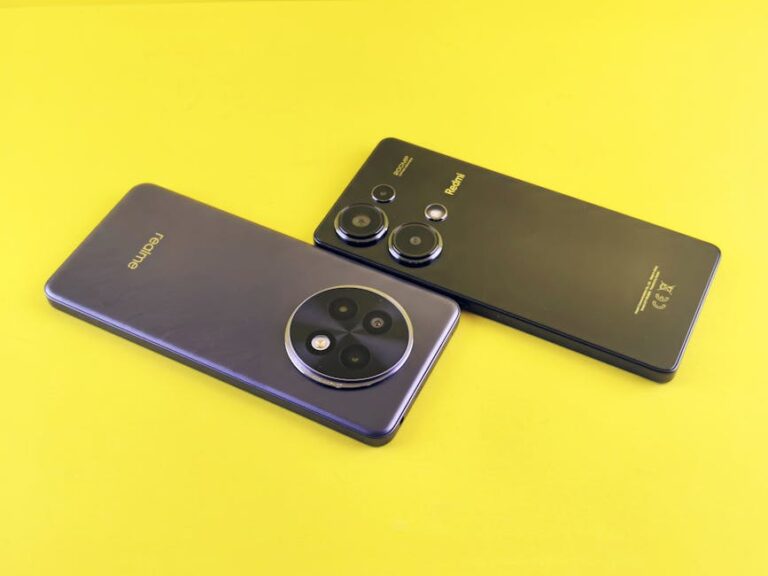
Realme 12X 5G
- Blazing-fast 5G connectivity for seamless streaming and downloads.
- Massive 5000mAh battery with 45W SuperVOOC fast charging.
- Clear 50MP AI camera for vibrant photos and detailed shots.
Price: ₹14,999
Redmi Note 13 5G
- Stunning 108MP AI camera for detailed, high-resolution photography.
- Smooth 120Hz AMOLED display for immersive viewing and scrolling.
- Reliable 5G performance paired with a long-lasting 5000mAh battery.
Price: ₹16,999
Samsung Galaxy M15 5G
- Industry-leading 6000mAh battery for extended usage without frequent charging.
- Vibrant Super AMOLED display for rich colors and sharp visuals.
- Enhanced security with Samsung Knox and dependable 5G connectivity.
Price: ₹13,999

The morning sun catches Rohan’s new foldable smartphone as he sips his coffee on a Bengaluru high-rise balcony. Its sleek lines and vibrant display are perfect for reviewing a complex code snippet before his commute. Miles away, in a small village nestled in Rajasthan, Sunita carefully charges her sturdy, mid-range smartphone. It’s her gateway to the world, displaying weather forecasts for her crops, connecting her to the local self-help group, and allowing her son to attend online lessons. These two scenes, though vastly different, paint a vivid picture of India’s evolving relationship with smartphone technology in 2025 – a relationship deeply influenced by geography and lifestyle.
Beyond the Hype: Understanding Diverse Adoption Patterns
The narrative of smartphone adoption in India is no longer just about numbers; it’s about nuance. In urban centres, the drive is often towards cutting-edge innovation and seamless integration into a fast-paced life. We see a strong inclination towards premium devices, flagship cameras, and features like high refresh rate displays, advanced AI capabilities, and robust processing power for demanding tasks. For the urban professional, a smartphone isn’t just a communication device; it’s a portable office, an entertainment hub, and a social identity statement. The rapid rollout of 5G across major cities further amplifies this, enabling instant downloads, cloud gaming, and crystal-clear video calls, pushing urban users towards devices that can fully leverage these speeds.
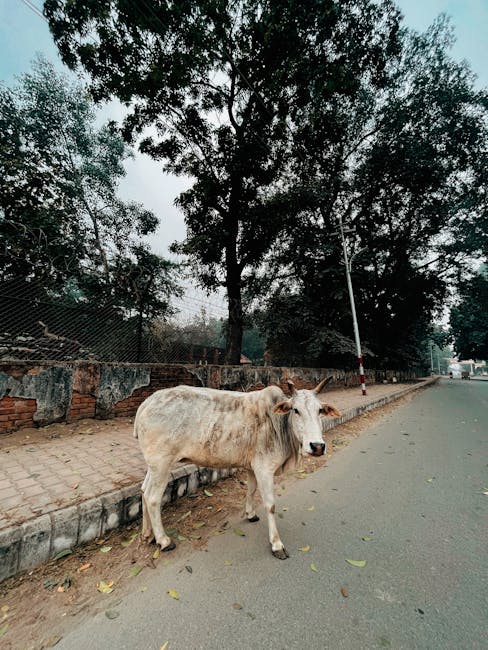
However, venture into rural India, and the priorities shift significantly. Here, the smartphone is primarily a tool for empowerment and connectivity. Affordability remains a critical factor, driving demand for reliable budget and mid-range devices that offer long battery life and good network reception. The focus isn’t on the latest chip architecture but on practical utility: accessing government services via apps like UMANG, facilitating digital payments through UPI, connecting with family via WhatsApp, and consuming educational or entertainment content. As a recent report by Gadgets360 highlighted, while urban users are increasingly upgrading to 5G-enabled premium phones, the rural market continues to thrive on 4G budget devices that offer exceptional value and durability. Digital literacy initiatives and local language support are also crucial enablers for wider adoption in these areas.
Smartphones in Action: Real-World Usage Cases

Consider the typical usage patterns. In an urban setting, Rohan might use his high-end device to edit short videos for his social media, manage smart home devices, conduct seamless video conferences, or indulge in graphically intensive mobile gaming during his commute. Contactless payments via NFC are standard, and the phone’s advanced camera is used for everything from scanning documents to capturing high-resolution photos for personal blogs or professional portfolios. The apps are diverse, ranging from productivity suites to niche lifestyle services.
Sunita, on the other hand, relies on her smartphone for fundamentally different reasons. Her device’s long battery ensures she stays connected even during power outages. She uses it to check mandi prices for her produce, access agricultural advisories, and receive weather alerts from local government apps. Her son uses it for remote learning, accessing educational videos and submitting assignments. The camera, while not top-tier, is essential for documenting crop health or sending photos to a healthcare worker for telemedicine consultations. Offline content consumption, robust call quality, and support for multiple local languages are far more critical features for her than a high-end processor or multiple camera lenses. Android Authority often discusses how manufacturers are increasingly focusing on these fundamental aspects for emerging markets, tailoring software and hardware to meet specific needs like battery life and durability.
Bridging the Gaps, Building the Future
The evolving smartphone landscape in India reflects a dynamic interplay of infrastructure, income levels, and specific user needs. While urban users drive the demand for innovation and premium features, rural users underscore the essential role of technology as a tool for economic upliftment and social inclusion. The challenge for 2025 and beyond is not just to provide connectivity but to offer relevant and accessible technology solutions that genuinely empower every Indian, regardless of their pin code.
Final Thoughts
The smartphone in India isn’t a monolithic entity; it’s a chameleon, adapting its purpose and form to the diverse environments it inhabits. From the bustling metros to the quietest villages, these devices are not just gadgets but integral threads in the fabric of daily life, weaving together disparate experiences into a richer, more connected nation. Understanding this dichotomy is key to appreciating India’s unique technological journey.
Looking for more? Explore our AI innovations section.
About the Author