
Smartphones in India 2025: What to Expect from the Next-Gen Mobile Revolution
India’s love affair with smartphones is no secret. From bustling metros to remote villages, these devices have transcended mere communication tools to become the very backbone of digital India. As we look ahead to 2025, the Indian smartphone market is poised for an exhilarating transformation, driven by cutting-edge technology, evolving user demands, and a continued focus on affordability. So, what exciting innovations and trends can Indian consumers expect from their pocket companions in the near future?
The Dominance of 5G and Beyond

By 2025, 5G connectivity won’t just be a premium feature – it will be the ubiquitous standard across most new smartphones sold in India. The rapid rollout of 5G networks across the country means users will demand devices that can fully leverage these lightning-fast speeds. Expect seamless streaming, lag-free online gaming, and immersive augmented reality (AR) experiences to become commonplace. Moreover, as 5G matures, discussions around 6G and its foundational technologies might already begin to influence high-end device designs, offering glimpses into a hyper-connected future. Affordable 5G smartphones will flood the market, making high-speed internet accessible to a much broader demographic.
AI and Hyper-Personalization: Your Smartest Companion

Artificial Intelligence (AI) is already a crucial part of our smartphones, but by 2025, its integration will reach unprecedented levels. Imagine phones that intuitively understand your daily routines, proactively suggest relevant information, and optimize performance based on your usage patterns. AI will power even more sophisticated camera enhancements, making professional-grade photography accessible to everyone, regardless of lighting conditions or subject matter. Beyond imaging, AI will significantly improve battery life, personalize user interfaces for different regional languages, and provide highly contextual virtual assistant interactions, truly making your smartphone a hyper-personalized digital assistant tailored for Indian nuances.
Mid-Range Reigns Supreme: Value for Money Continues to Drive Sales

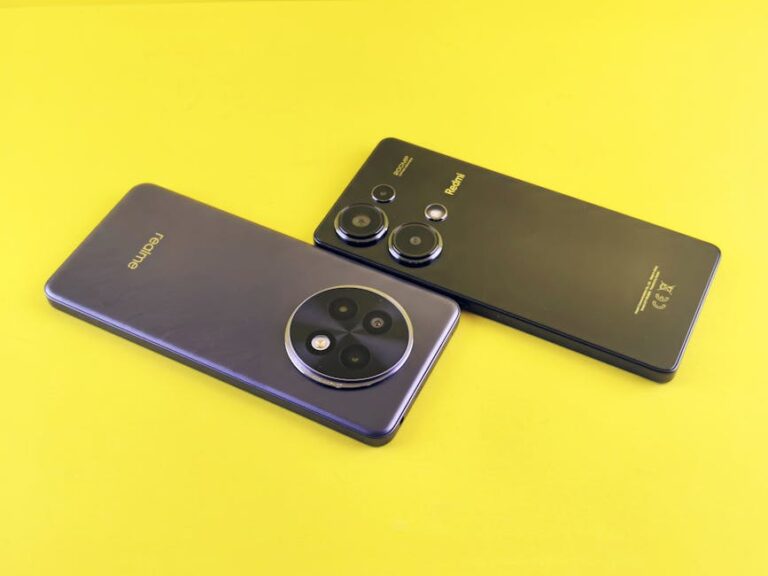
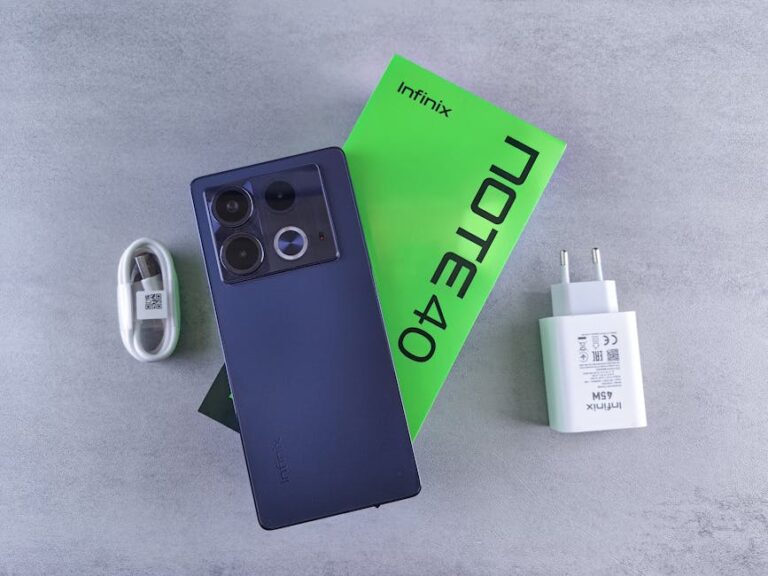
India remains a highly price-sensitive market, and this trend will continue to shape smartphone offerings in 2025. While flagships will always capture headlines, the mid-range segment (roughly ₹15,000 to ₹35,000) will continue to be the biggest volume driver. These “value-for-money” devices will increasingly blur the lines between mid-range and premium, offering features like high refresh rate AMOLED displays, capable multi-lens camera systems, faster charging, and robust processors – features once reserved for top-tier phones. Brands like Xiaomi, Realme, Samsung, and OnePlus Nord will fiercely compete in this segment, pushing the boundaries of what’s possible at an accessible price point, often with a significant “Made in India” component.
Form Factors Evolve: Foldables, Rollables, and Sustainable Designs
The innovation isn’t just internal; external designs are also evolving rapidly. By 2025, foldable smartphones, currently a niche premium segment, are expected to become more affordable and durable, entering the upper mid-range market. Imagine a compact device that unfolds into a tablet-like screen for media consumption or productivity. Beyond foldables, early concepts of rollable or expandable displays might also transition into commercial products, offering dynamic screen sizes. Furthermore, sustainability will become a significant selling point. Expect more smartphones to incorporate recycled materials, offer longer software support, and promote easier repairability, aligning with India’s growing environmental consciousness and the global push for eco-friendly smartphones.
Enhanced Security and Privacy: A Growing Concern
As smartphones become central to our digital lives, handling sensitive data from banking to personal communication, security and privacy will be paramount. By 2025, Indian users will be more aware and demanding of robust security features. Expect advanced biometric authentication methods – ultra-fast in-display fingerprint sensors and more secure facial recognition – to be standard across most segments. Manufacturers will also focus on deeper software integration for data protection, clearer privacy controls, and guaranteed, timely security updates to combat evolving cyber threats. This focus is crucial, especially as digital payments and online identity become even more entrenched in daily life.
Conclusion
The Indian smartphone landscape in 2025 promises to be a dynamic fusion of cutting-edge technology and market-specific demands. From ubiquitous 5G and sophisticated AI powering hyper-personalized experiences to the continued dominance of feature-rich mid-range devices and evolving form factors, smartphones will continue to redefine convenience and connectivity. As brands innovate and local manufacturing grows, Indian consumers stand to benefit from more powerful, smarter, and more accessible devices than ever before. The future is bright, digital, and undeniably smart in the palm of every Indian hand.
About the Author