
Smartphones in India 2025: Navigating the Future of Mobile Technology
India’s smartphone market is a vibrant, ever-evolving ecosystem, a kaleidoscope of cutting-edge technology, diverse consumer demands, and unparalleled competition. As we look towards 2025, this dynamic landscape promises even more exciting transformations. With over half a billion smartphone users, India isn’t just a market; it’s a trendsetter, a proving ground for innovations that cater to both the ultra-budget conscious and the premium-seeking consumer. What can Indian tech enthusiasts expect from their beloved devices in the near future?
The Continued Reign of Value and Budget Segments

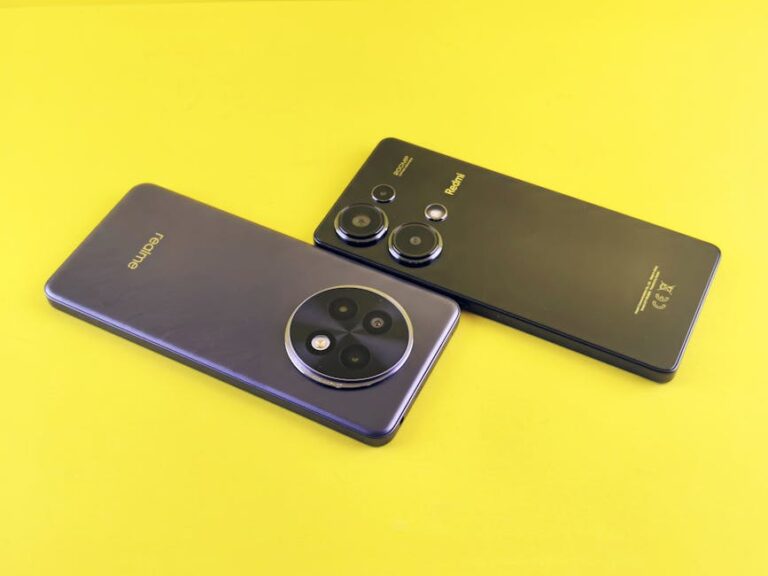
By 2025, the heart of the **Indian smartphone market** will undoubtedly remain in the budget and mid-range segments. Price sensitivity is a defining characteristic of Indian consumers, and brands like Xiaomi, Realme, Samsung (with its M and A series), and POCO will continue to dominate by offering exceptional value. Expect these devices, particularly those under ₹20,000, to set new benchmarks. Features like high-refresh-rate AMOLED displays, multiple AI-powered cameras, robust processors capable of handling daily tasks and light gaming, and fast charging capabilities will become standard. The focus will be on delivering a comprehensive experience that feels premium without breaking the bank, making advanced mobile technology accessible to even more Indians.
5G’s Full Bloom: Connectivity, Content, and Beyond

While 5G began its rollout in India in late 2022, 2025 will see its true proliferation. Expect 5G connectivity to be near-ubiquitous across major cities and steadily expanding into Tier 2 and Tier 3 towns. This widespread adoption will make 5G a non-negotiable feature for almost all new **smartphones in India 2025**, even in the budget segment. The impact will be profound: seamless streaming of 4K content, lag-free online gaming, instant cloud access, and innovative applications in augmented reality (AR) and virtual reality (VR) will move from niche to mainstream. This enhanced connectivity will further fuel India’s digital economy, making everything from online education to digital payments faster and more reliable.
The Mid-Range Marvels and Premium Aspirations

Beyond the budget segment, the mid-range (₹20,000-₹40,000) will witness fierce competition, with brands like OnePlus (Nord series), Samsung (premium A-series), Nothing Phone, and Google Pixel (A-series) pushing boundaries. Consumers in this category will demand flagship-level experiences, including sophisticated camera setups, powerful chipsets for demanding applications, premium build materials, and clean, bloatware-free software. The **premium smartphone market in India** (₹40,000+) will also continue its impressive growth trajectory. Apple’s increasing market share, driven by attractive financing options and the aspirational value of the iPhone, alongside Samsung’s flagship Galaxy S and Fold series, will highlight a growing segment of consumers willing to invest in top-tier performance and ecosystem benefits. Expect more foldable phones to gain traction, becoming slightly more affordable and refined.
Beyond Specifications: Software, AI, and Sustainability
In 2025, the user experience will extend far beyond just hardware specifications. Software optimization, user interface design, and the seamless integration of Artificial Intelligence (AI) will become critical differentiators. Expect smarter AI cameras that offer professional-grade photography with minimal effort, AI assistants that are more contextual and proactive, and devices that intelligently manage battery life and performance based on user habits. Furthermore, sustainability will gain importance. Brands will increasingly highlight their efforts in using recycled materials, offering better repairability, and reducing e-waste, aligning with global trends and growing environmental consciousness among Indian consumers. The ‘Make in India’ initiative will also push for localized manufacturing and design, leading to devices tailored specifically for Indian needs and preferences.
The Evolving Retail Landscape: Online vs. Offline
The dichotomy between online and offline retail will continue to shape how **smartphones in India 2025** are bought and sold. Online platforms like Amazon, Flipkart, and brand-specific e-stores will remain crucial for new launches, flash sales, and competitive pricing, especially for tech-savvy early adopters. However, offline stores – ranging from large format retailers to independent mobile shops – will retain their significance, particularly for the vast majority of consumers who prefer a hands-on experience before purchase, require immediate gratification, or seek personalized assistance. Expect a hybrid model to flourish, where online research complements offline experiences, and quick commerce services offer immediate delivery of devices, blurring the lines between the two channels.
Conclusion
The future of **smartphones in India 2025** is incredibly promising and vibrant. From democratizing 5G and pushing the boundaries of affordable premium features to integrating smarter AI and embracing sustainability, the Indian market will continue to be a hotbed of innovation. Consumers can look forward to a diverse array of devices that cater to every budget and need, offering more power, better connectivity, and a richer, more intelligent user experience than ever before. India is not just adapting to global tech trends; it’s actively shaping them, solidifying its position as one of the most exciting and influential smartphone markets globally.
About the Author