
Published: 2026-01-19 | Updated: 2026-01-19
Your 2026 Desi Smartphone: More Than Just a Gadget, It’s Your Digital Jeevan Saathi!
In the bustling landscape of 2026 India, your smartphone isn’t just a device; it’s an extension of your life, a partner in every step, from morning chai to late-night scrolls. It’s the ultimate multitasker, deeply woven into the fabric of our unique desi lifestyle.
Did you know that by 2026, nearly 70% of all online financial transactions in India are projected to be initiated via a mobile device, a staggering leap driven by rural adoption and digital literacy initiatives?
Picture this: It’s 7 AM. Your phone’s AI assistant, customized to speak a blend of Hindi and English, gently reminds you about your mother’s video call later, while simultaneously suggesting a new recipe for aloo paratha and displaying the fastest route to work, factoring in real-time traffic and potential metro delays. Your teenager is already lost in a holographic gaming session on their foldable, while your grandmother is effortlessly navigating a local language e-commerce app to order her favorite puja essentials. This isn’t a scene from a sci-fi movie; this is your everyday reality with the 2026 smartphone.
Quick Summary: Navigating 2026’s Smartphone Revolution
Recommended Smartphones Picks
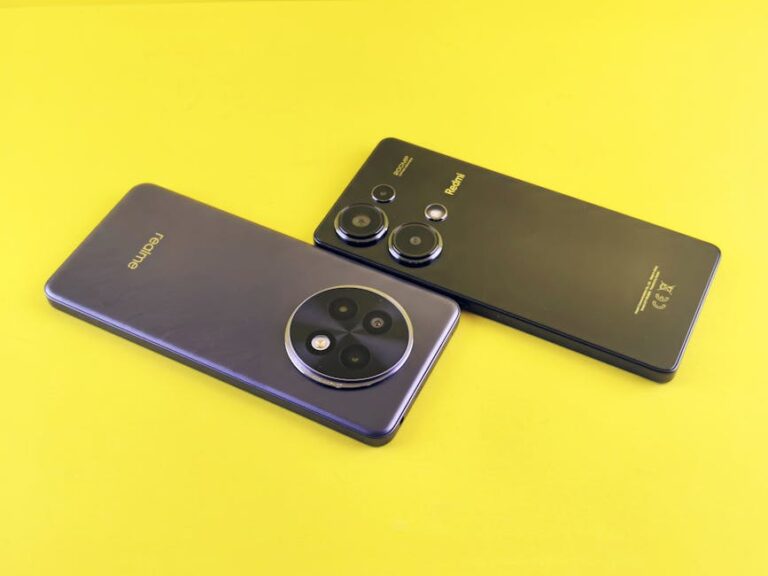
Redmi Note 13 5G
- Capture vibrant photos for every festive moment with the 108MP AI camera.
- Experience seamless connectivity and future-ready speeds with robust 5G support.
- Power through your busy day with a long-lasting 5000mAh battery and 33W fast charging.
Price: ₹17,999
Realme 12 5G
- Sleek design combined with a 108MP portrait camera for stunning social media-ready shots.
- Stay connected everywhere with reliable 5G network compatibility across India.
- Enjoy all-day power thanks to its 5000mAh battery and rapid 45W SUPERVOOC charging.
Price: ₹16,999
Samsung Galaxy M34 5G
- Massive 6000mAh battery ensures your phone keeps up with long commutes and busy schedules.
- Capture steady, high-quality videos and photos with the 50MP OIS camera, perfect for family moments.
- Future-proof your connectivity with robust 5G support across India’s network bands.
Price: ₹16,999
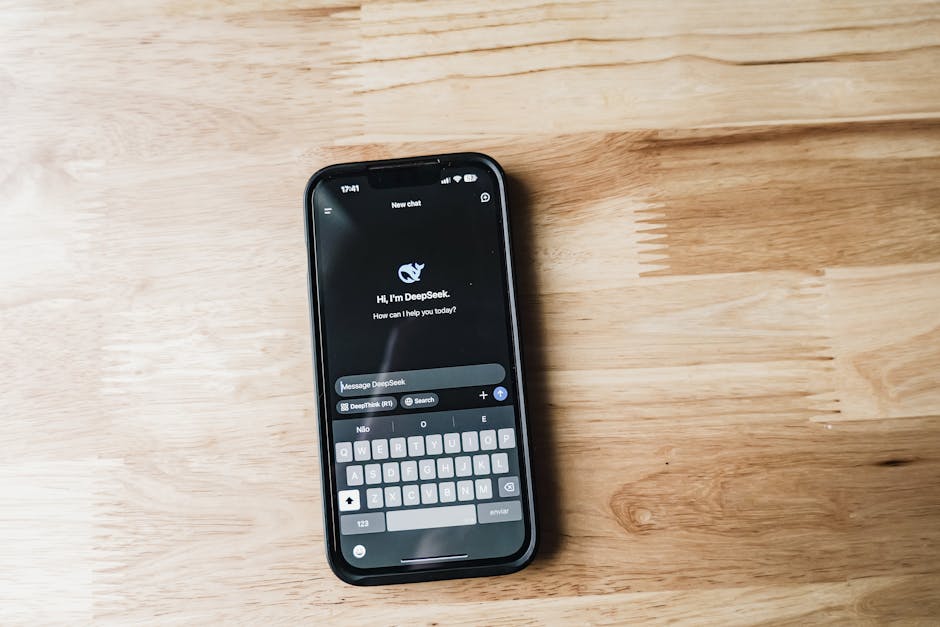
- AI is no longer just a feature; it’s the invisible OS, personalizing every interaction.
- Foldables and rollables are entering the mainstream, offering flexible screen real estate for diverse needs.
- Battery life and sustainable manufacturing are key selling points for the eco-conscious Indian consumer.
- Hyper-localized content and services, powered by on-device AI, define the user experience.
- Camera tech continues its relentless march, now incorporating advanced computational photography for pro-level results with zero effort.
The 2026 Smartphone Landscape: Beyond the Megapixels

The year 2026 sees smartphones transform from mere communication tools into intelligent companions. On-device AI, powered by dedicated Neural Processing Units (NPUs), is a game-changer. Your phone anticipates needs, optimizes performance, and even acts as a personal health coach, all without constant cloud reliance. This shift towards edge AI means faster, more private processing, crucial for navigating sensitive banking apps or personal health data.
Foldable and rollable displays, once niche, are now a significant segment. Imagine expanding your pocketable phone into a tablet-sized screen for that Bollywood blockbuster on the train, or rolling out a compact display for a quick video conference. Brands like Samsung and Motorola, alongside new Indian entrants, are making these form factors more durable and accessible. As noted by Android Authority, the emphasis in 2026 is on adaptive user interfaces that seamlessly transition across these dynamic screens.
Battery technology has also seen remarkable strides. While charging speeds continue to impress – a full day’s charge in under 15 minutes is common – the focus has shifted to battery longevity and health, with smart charging algorithms extending the lifespan of your device’s power cell. Sustainability is no longer a buzzword; it’s a market differentiator. Consumers are increasingly looking for devices made with recycled materials and offering easier repairability, a trend highlighted by recent reports from Gadgets360 on conscious consumerism in India.
Finding Your Perfect Match: A Desi Buyer’s Guide
Choosing a smartphone in 2026 can feel overwhelming, but keeping your unique Indian lifestyle in mind makes it easier:
The AI Assistant & Language Support:
Look for phones with robust, on-device AI that offers excellent local language support. Whether it’s Hinglish, Tamil, Bengali, or Marathi, your AI assistant should understand your nuances and provide relevant information, from local weather to specific government services.
Camera Capabilities for Every Occasion:
From festive selfies to capturing family moments at a wedding, a versatile camera is paramount. Beyond megapixels, focus on computational photography features like enhanced low-light performance, smart portrait modes that accurately separate subjects, and AI-powered editing tools that can instantly enhance your photos for social media without needing external apps.
Battery Life & Charging Speed:
With long commutes, frequent power cuts in some regions, and continuous content consumption, a phone that can last all day is non-negotiable. Aim for devices with at least 5000 mAh batteries and support for 60W+ fast charging. Wireless charging, while convenient, is still secondary for most Indian users.
Storage & Expandability:
Our phones are repositories of memories, apps, and downloaded content. Opt for at least 128GB of internal storage. While cloud storage is prevalent, the option for a microSD card slot is still valued for offline media and easy transfer.
Connectivity & Future-Proofing:
5G is standard, and early 6G trials are on the horizon. Ensure your device supports the latest network bands relevant to India. Wi-Fi 7 and advanced Bluetooth codecs for high-fidelity audio are also good indicators of a future-ready device.
Pros & Cons of the 2026 Smartphone Experience
- Pros:
- Unprecedented personalization through advanced on-device AI.
- Flexible form factors (foldables, rollables) offer versatile screen experiences.
- Enhanced battery longevity and rapid charging redefine convenience.
- Superior camera performance with AI-driven computational photography.
- Deeper integration with smart home ecosystems and personal health monitors.
- Increased focus on sustainable manufacturing and repairability.
- Cons:
- The constant upgrade cycle can be financially demanding.
- Privacy concerns persist with ever-increasing data collection, even with edge AI.
- Potential for digital fatigue and screen addiction given deeper device integration.
- High-end models remain premium, creating a digital divide for some segments.
- Complexity of features can be overwhelming for less tech-savvy users.
FAQ: Your Burning Questions Answered
What’s the ideal budget for a good smartphone in 2026, considering Indian market dynamics?
For a feature-rich experience that balances performance and value, expect to spend between INR 25,000 to INR 45,000. This segment offers excellent AI capabilities, good cameras, and reliable battery life. Premium flagships can easily go upwards of INR 70,000, offering cutting-edge foldables and advanced features.
Are foldable phones durable enough for daily Indian usage now?
Absolutely! Manufacturers have significantly improved hinge mechanisms and display robustness. While still requiring a bit more care than traditional slab phones, the 2026 foldables are much more resilient, offering thousands of folds with IP ratings for dust and water resistance, making them viable for everyday use.
How important is 6G connectivity for my next phone purchase?
While 5G is widely deployed, 6G is still in its nascent stages for commercial rollout in India. Unless you’re an extreme early adopter or want to future-proof for the next 5-7 years, focusing on a robust 5G modem with support for all relevant bands is sufficient for now. Most 2026 phones will be 6G-ready, but the infrastructure will take time to catch up.
Is on-device AI truly better for privacy than cloud-based AI?
Yes, generally. On-device AI processes your personal data (like voice commands, photo analysis, behavioral patterns) directly on your phone’s NPU, without sending it to the cloud. This significantly reduces the risk of data breaches and unauthorized access, offering a higher degree of privacy for sensitive information compared to cloud-dependent AI services.
Final Thoughts
The 2026 smartphone is more than a gadget; it’s a reflection of India’s digital aspirations and evolving lifestyle. It’s the silent partner helping you manage your finances, entertain your family, learn new skills, and stay connected across vast distances. As we embrace this intelligent future, remember to choose a device that truly understands and complements your unique desi rhythm, making your digital journey not just efficient, but also deeply personal and empowering.
Looking for more? Explore our budget laptops section.
About the Author