
The Smartphone Saga Continues: What 2025 Holds for India
Recommended Smartphones Picks
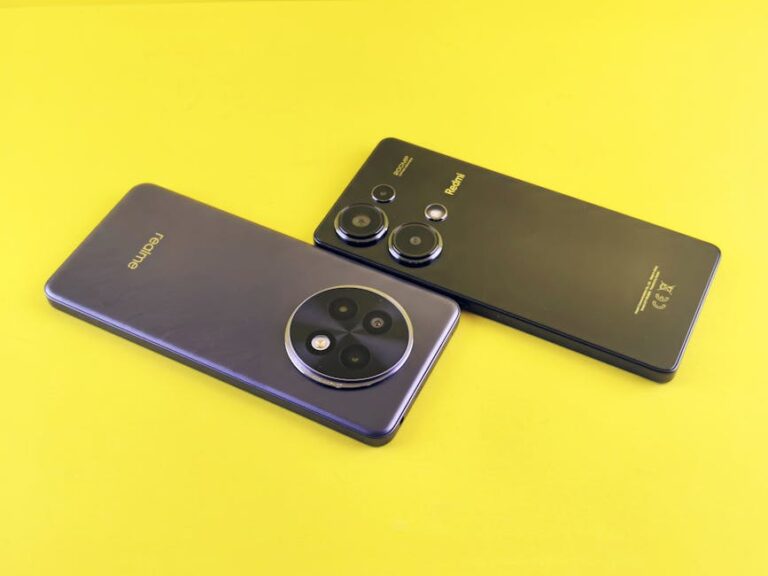
Realme 13 Pro
- Next-gen 5G chipset for seamless connectivity and gaming.
- Vibrant 120Hz AMOLED display for immersive viewing.
- AI-enhanced triple camera system for stunning photos.
Price: ₹18,999
Poco X7 Neo
- Massive 6000mAh battery with 80W lightning-fast charging.
- Smooth 120Hz display and powerful 5G processor.
- AI-powered camera for crisp photos in any light.
Price: ₹17,499
Lava Agni 3 Pro
- Advanced 50MP AI camera with cinematic video modes.
- Long-lasting battery with efficient 5G performance.
- Immersive AMOLED display with high refresh rate.
Price: ₹19,990

Smartphones are no longer just communication devices; they are our windows to the world, our entertainment hubs, our personal assistants, and increasingly, our professional tools. In India, this relationship is even more profound, with mobile phones bridging digital divides and powering aspirations. As we step into 2025, the smartphone landscape is poised for exciting shifts, driven by technological leaps and India’s unique market appetite. Forget incremental updates; we’re looking at a future where our pocket companions become even smarter, faster, and more integral to our daily lives.
The 5G Revolution: From Niche to Necessity

By 2025, 5G will be less of a buzzword and more of a ubiquitous reality across India. The rapid rollout by telecom giants has already laid a strong foundation, making high-speed connectivity accessible even in Tier 2 and Tier 3 cities. This widespread adoption means that virtually every new smartphone, even in the budget segment, will be 5G-enabled. This isn’t just about faster downloads; it’s about unlocking new possibilities – seamless cloud gaming, immersive AR/VR experiences, instant video calls with crystal-clear quality, and the backbone for smart city initiatives. According to a recent TechCrunch report, India’s 5G subscriber base is expected to surge significantly by mid-2025, solidifying its position as a major driver of digital transformation. The era of buffering and slow internet will truly be a thing of the past for most urban and semi-urban users.
AI Takes Center Stage: Beyond the Gimmick

Artificial Intelligence in smartphones has often been limited to camera scene detection or basic voice assistants. In 2025, expect AI to move beyond the superficial, deeply integrating into the core user experience. On-device generative AI will enable real-time language translation during calls, summarise lengthy articles or emails with a tap, and even create unique wallpapers or short videos based on simple text prompts. Imagine your phone intelligently optimising battery usage based on your daily routine, or anticipating your next app usage. Indian users will particularly benefit from AI models trained on regional languages and dialects, making smart assistants truly accessible and helpful for a diverse linguistic population, understanding Hinglish and other language mixes seamlessly.
Display Dominance: Foldables, Rollables, and Refinements
The quest for larger screens in compact forms continues. While foldables like Samsung’s Galaxy Z series and OPPO’s Find N line have been gaining traction, 2025 will see them become more durable, refined, and crucially, more affordable. Expect a wider array of brands to jump into the foldable race, offering more compelling options across different price points. Beyond folding, concept devices with rollable or extendable displays might start making their niche appearance, hinting at future form factors. For standard smartphones, expect 120Hz or even 144Hz refresh rates to become the norm across mid-range devices, alongside brighter, more colour-accurate AMOLED panels, making content consumption – from Bollywood blockbusters to IPL matches – an absolute delight.
Camera Wars Intensify: More Than Just Megapixels
The smartphone camera race is far from over. By 2025, the focus will shift even further from raw megapixel counts to advanced computational photography. Expect sophisticated AI algorithms that enhance low-light performance to near-night vision levels, improve dynamic range dramatically, and offer unprecedented control over depth and bokeh effects. Periscope zoom lenses will trickle down to more affordable premium devices, offering optical zoom capabilities previously found only in dedicated cameras. Video recording will see significant leaps, with advanced stabilisation, cinematic modes, and 8K recording becoming more widespread. For the Indian user, who loves documenting everything from family gatherings to travel vlogs, these advancements will empower them to create professional-grade content directly from their pocket.
The Power Play: Performance and Battery Life
Under the hood, chipsets like Qualcomm’s Snapdragon 8 Gen 4 and MediaTek’s Dimensity 9400/9500 will deliver desktop-level performance, handling demanding games and AI tasks with ease. This raw power will be complemented by even greater energy efficiency, translating into longer battery life. Fast charging, already a staple, will push boundaries, with 100W+ charging becoming common in mid-to-high-end devices, allowing a full charge in mere minutes. Wireless charging will also become more efficient and might even start appearing in some budget-friendly segments, offering greater convenience. For India’s gaming enthusiasts and power users, this means uninterrupted performance and minimal downtime.
Budget to Premium: India’s Diverse Market
India’s smartphone market is a vibrant tapestry, catering to every budget. The **budget segment (sub-₹15,000)** will continue to be fiercely competitive, with brands like Xiaomi, Realme, Poco, and even revitalised Indian players like Lava and Micromax offering 5G, decent cameras, and robust batteries. The **mid-range (₹15,000-₹35,000)** will be where flagship features truly democratise, offering a compelling balance of performance, design, and camera capabilities. According to a recent Gadgets360 market analysis, this segment is expected to see the most aggressive innovation and growth in 2025. The **premium segment (₹35,000+)** will be dominated by Apple, Samsung, OnePlus, and Google Pixel, with foldables and innovative designs increasingly making their mark, catering to users who demand the very best.
Sustainability and Privacy: Growing Concerns
As consumers become more aware, sustainability and privacy will gain prominence. Expect brands to increasingly highlight their efforts in using recycled materials, offering longer software update cycles (4-5 years of OS updates becoming standard), and making devices more repairable. On the privacy front, on-device AI processing will reduce reliance on cloud servers for sensitive data, and stricter data protection policies will empower users with more control over their personal information. These factors, while not always front-page features, will subtly influence purchasing decisions for a growing segment of environmentally and privacy-conscious Indian consumers.
Final Thoughts / Key Takeaway
2025 promises to be a landmark year for smartphones in India. The widespread adoption of 5G, the deep integration of AI, the evolution of display technologies, and continued camera innovation will redefine our mobile experience. From the bustling metros to emerging towns, smartphones will continue to be the primary gateway to the digital world, becoming more intuitive, powerful, and personalised than ever before. The future of smartphones isn’t just about faster chips or better cameras; it’s about creating an intelligent, seamless extension of ourselves, tailored perfectly for the diverse and dynamic needs of the Indian user.
Looking for more? Explore our smartphone deals section.
About the Author