
Published: 2026-01-21 | Updated: 2026-01-21
Aisha, a young college student in Bengaluru, carefully scrolled through her shopping list on her phone. Her current device, a trusty but aging model from 2022, was struggling with the latest educational apps and video calls. The battery barely lasted half a day, and its camera, once decent, now looked blurry compared to her friends’ phones. She needed an upgrade, but every rupee counted, especially with her internship stipend.
For Aisha, and millions like her, finding the perfect smartphone isn’t about bragging rights; it’s about empowerment, connectivity, and making smart choices in a rapidly evolving digital landscape.
Quick Summary
- India’s budget smartphone market in 2026 is a paradox of choice and innovation.
- Key trends include advanced 5G, better cameras, and longer software support in affordable devices.
- Buyers prioritize battery life, robust performance for daily tasks, and reliable security updates.
- Smart purchasing means looking beyond raw specs to ecosystem support and future-proofing.
- The sweet spot for value-driven devices remains between INR 12,000-20,000.
The Indian Budget Smartphone Dilemma in 2026
Recommended Smartphones Picks
Redmi Note 15 5G
- Vibrant 120Hz AMOLED display for smooth visuals.
- Reliable 50MP AI Camera for social media-ready photos.
- Long-lasting 5000mAh battery with 33W fast charging.
Price: ₹17,999
Samsung Galaxy F16 5G
- Massive 6000mAh battery for multi-day usage.
- Impressive 50MP OIS Camera for stable shots.
- Future-ready multi-band 5G connectivity with robust software support.
Price: ₹16,499
Realme 13 5G
- Powerful processor for smooth daily tasks and casual gaming.
- High-resolution 64MP Camera with improved low-light performance.
- Efficient 5000mAh battery with rapid 45W quick charge.
Price: ₹18,999

The year is 2026, and India’s smartphone market continues its relentless march forward. While flagship devices grab headlines, the real battlefield, and indeed the heart of the market, lies squarely in the budget segment. For the discerning Indian consumer, this isn’t just about owning a phone; it’s about a gateway to education, entertainment, commerce, and social connection. The challenge? Navigating a sea of options that promise the world but often deliver a mixed bag.
Navigating the Feature Flood: The Budget Buyer’s Burden
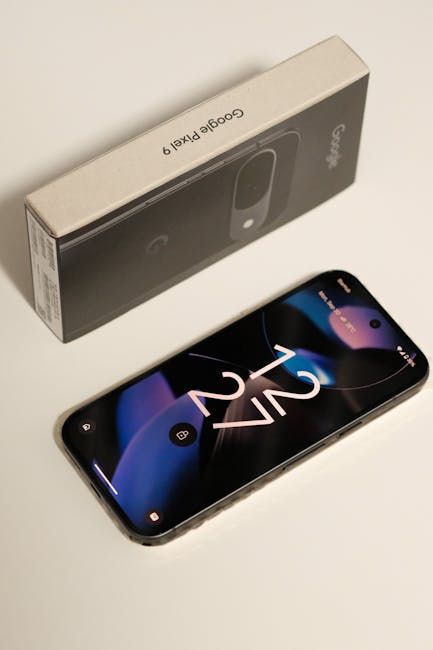
Gone are the days when a “budget phone” meant stark compromises. Today, manufacturers are cramming an incredible array of features into devices priced under INR 20,000. While this sounds like a boon, it often creates a paradox of choice. Buyers are bombarded with jargon – octa-core processors, 120Hz AMOLED displays, 108MP cameras, virtual RAM, 67W fast charging. For Aisha, and many others, deciphering which features truly matter for their daily grind versus which are mere marketing fluff can be exhausting. The risk of overspending on unnecessary specs or underspending on critical components is ever-present. Moreover, the long-term viability of these devices, especially concerning software updates and security patches, has become a significant concern for savvy buyers.
2026 Trends Shaping India’s Budget Smartphone Landscape

The budget segment in 2026 is defined by several key trends, catering directly to the pragmatic Indian user:
- Ubiquitous 5G: What was once a premium feature is now standard. Even phones under INR 15,000 reliably offer multi-band 5G support, ensuring future-proof connectivity across India’s expanding networks.
- Camera Capabilities Leap: Mid-range sensors with advanced computational photography are trickling down. While not flagship-level, budget phones now capture social media-ready photos and decent low-light shots, a must for Instagram and family memories.
- Battery Longevity Remains King: With long commutes and unreliable power grids in some areas, a 5000mAh+ battery with efficient power management is non-negotiable. Fast charging (33W-67W) is also common, topping up devices in under an hour.
- Software Assurance: Consumers are increasingly demanding longer software update cycles. Brands offering 2-3 years of Android updates and 3-4 years of security patches are gaining significant trust, as noted by analysts at Gadgets360.
- AMOLED Displays & Higher Refresh Rates: Vibrant AMOLED screens, once exclusive to premium phones, are now appearing in the sub-INR 18,000 category, often paired with 90Hz or 120Hz refresh rates for smoother scrolling.
- Focus on Durability & Sustainability: There’s a nascent but growing demand for phones with better build quality and some level of IP rating (splash resistance), alongside a focus on repairability and reduced e-waste.
Expert Insight: What Matters Most
“In 2026, the smart budget buyer isn’t just looking at the spec sheet; they’re evaluating the entire ownership experience,” explains a senior analyst at Android Authority. “This includes the consistency of software updates, the brand’s after-sales service network in India, and how well the device integrates with local digital payment ecosystems like UPI. A phone might have great specs, but if its software support is flaky or its service center is miles away, it loses value quickly for the Indian consumer.” The emphasis has shifted from raw power to reliable utility and ecosystem support.
Pros & Cons of Budget Smartphones in 2026
Pros:
- Excellent value for money, packing features once found only in flagships.
- Accessible 5G connectivity across most price points.
- Improved camera performance for daily social media needs.
- Reliable battery life and fast charging for extended use.
- Increased software update commitments from reputable brands.
Cons:
- Potential for confusing marketing claims and feature overload.
- Some compromises in camera performance, especially in challenging lighting.
- Not all budget phones receive timely or long-term software support.
- Build materials might feel less premium than higher-end models.
- Gaming performance might be adequate for casual titles but struggles with demanding ones.
FAQ
What is the ideal price range for a budget smartphone in India in 2026?
For most Indian buyers looking for a balance of features, performance, and longevity, the sweet spot in 2026 is typically between INR 12,000 and INR 20,000. This range offers excellent 5G connectivity, decent cameras, robust batteries, and often AMOLED displays.
Are budget phones reliable for long-term use (2-3 years)?
Yes, many budget phones from reputable brands are designed for 2-3 years of reliable use. Look for brands that commit to at least two major Android updates and three years of security patches. A larger RAM (6GB+) and a capable processor also contribute to longevity.
Should I prioritize camera megapixels or battery size in a budget phone?
For most users, battery size (5000mAh+) and fast charging capabilities will have a more significant impact on daily life than raw megapixels. While a higher megapixel count can be appealing, the sensor quality and software optimization often matter more for camera performance than just the number.
Do budget phones support all Indian 5G bands?
Most new budget 5G phones launched in 2026 in India support a comprehensive range of 5G bands, ensuring compatibility with major telecom operators like Jio and Airtel. Always check the specific band support listed in the phone’s specifications to confirm.
Final Thoughts
The Indian budget smartphone market in 2026 is a vibrant ecosystem, brimming with choices for every need and wallet. For Aisha and millions like her, the quest for a new device isn’t just about specs; it’s about finding a reliable partner that enhances their daily life without breaking the bank. By focusing on practical features like battery life, assured software support, and robust connectivity, Indian consumers can confidently navigate the market and find a smartphone that truly empowers them in the digital age. The future of affordable tech in India looks not just bright, but incredibly smart.
Looking for more? Explore our tech guides section.
About the Author