
Navigating the Digital Crossroads: Smart Laptop & PC Buys for Indians in 2025
Recommended Laptops & PCs Picks
Lenovo IdeaPad Slim 3
- Responsive Intel Core i3 (12th Gen) for daily tasks.
- Fast 512GB SSD for quick boot-ups and applications.
- Slim design, ideal for students on the go.
Price: ₹36,990
Acer Aspire 3
- Efficient AMD Ryzen 3 (7000 series) for smooth performance.
- Ample 512GB SSD and 8GB RAM for multitasking.
- Excellent value for money for college work.
Price: ₹34,490
HP Laptop 15s
- Reliable Intel Core i3 (12th Gen) processor.
- Speedy 512GB SSD and 8GB RAM for essential tasks.
- Comfortable keyboard for long study sessions.
Price: ₹37,990

Remember the days when a “budget” laptop meant sacrificing half its features and tolerating glacial speeds? Well, welcome to 2025, where the landscape for affordable computing has transformed dramatically, especially for the savvy Indian buyer. As our lives increasingly intertwine with the digital world – from online education and remote work to streaming the latest blockbuster or connecting with family abroad – a reliable laptop or PC isn’t a luxury; it’s a necessity. But with a tight budget, how do you cut through the noise and make a truly smart investment that lasts?
The Great Indian Laptop Dilemma: Value vs. Vanity

The challenge is real. On one hand, you need a machine capable of handling daily tasks without constant frustration. On the other, every rupee saved matters. The market is flooded with options, from flashy ultrabooks to hefty gaming rigs, making the choice overwhelming. For the budget-conscious Indian, the dilemma isn’t just about finding the cheapest device, but about discovering genuine value – a machine that punches above its weight, offers longevity, and won’t demand an upgrade just a year down the line. We need devices that support our aspirations without burning a hole in our pockets, whether it’s for a student attending virtual classes in Nagpur or a freelancer managing clients from Kochi.
Emerging Trends: Your Allies in Affordable Computing
Good news! 2025 brings several promising trends that empower the budget buyer:
Firstly, the **Refurbished Renaissance** is in full swing. Certified refurbished laptops and PCs, often sourced from corporate upgrades or gentle returns, offer near-new performance at significantly reduced prices. These aren’t just ‘used’ machines; they come with warranties and rigorous quality checks. As Gadgets360 recently highlighted, the refurbished market is maturing, providing excellent value for money with models often just a generation or two behind the latest, but at half the cost. This is a goldmine for those seeking premium features without the premium price tag.
Secondly, **Chromebooks and lightweight OS laptops** have evolved. No longer just glorified web browsers, modern Chromebooks offer robust performance for most daily tasks, thanks to powerful ARM-based processors and better software integration. They boot instantly, have incredible battery life, and are inherently more secure. For students or users primarily relying on cloud-based applications, a sub-₹30,000 Chromebook in 2025 offers a fantastic, frustration-free experience.
Thirdly, **integrated graphics are no longer a compromise.** Intel’s Arc integrated graphics and AMD’s RDNA-based APUs have made significant strides. For casual gaming, video streaming, and light photo editing, these integrated solutions in mid-range processors are more than capable, eliminating the need for expensive dedicated GPUs unless you’re a serious gamer or professional editor. This technological leap means more powerful, yet affordable, all-in-one solutions.
Lastly, the **”Make in India” initiative** continues to foster local assembly and manufacturing, leading to more competitively priced laptops and desktops from both Indian and international brands tailored specifically for the Indian market. This drives down costs and often improves after-sales service accessibility.
Expert Insight: Prioritizing Performance Where It Counts
Navigating these trends requires a sharp eye. Tech analysts, like those at NDTV Gadgets, often emphasize focusing on the core components for longevity and performance. In 2025, for any budget-conscious purchase, prioritize these:
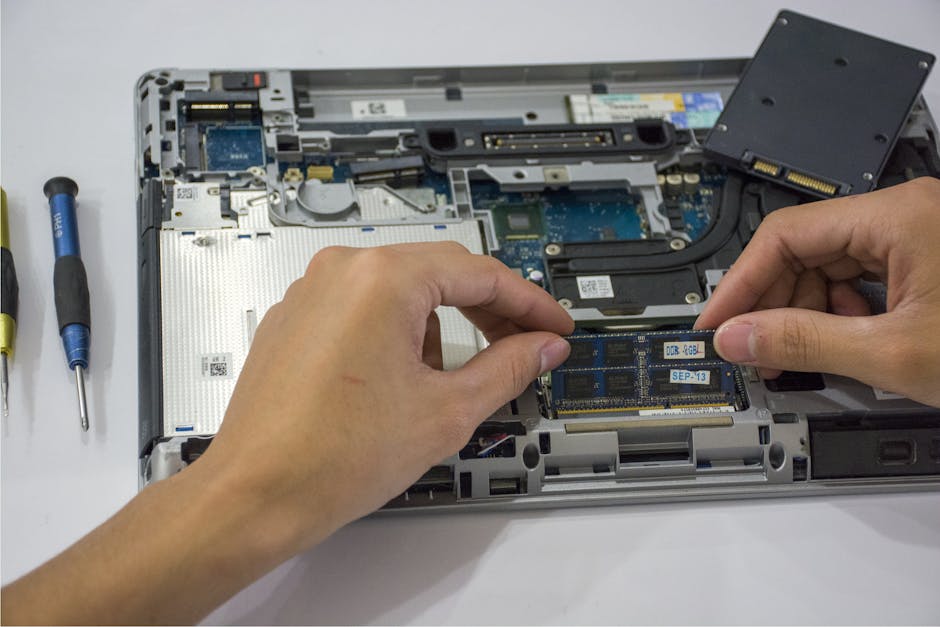
* **Solid State Drive (SSD):** This is non-negotiable. Even a 256GB NVMe SSD will make a far greater difference to the perceived speed of your machine than a faster processor paired with a traditional HDD. Look for at least 512GB if possible.
* **RAM:** Aim for 8GB as a minimum. 16GB is the sweet spot for multitasking and future-proofing, especially if you’re venturing into light content creation or running multiple applications.
* **Processor:** An Intel Core i3 (12th gen or newer) or an AMD Ryzen 3 (5000 series or newer) will handle most daily tasks with ease. Stepping up to an i5 or Ryzen 5 will give you a significant boost without breaking the bank, offering excellent performance for years.
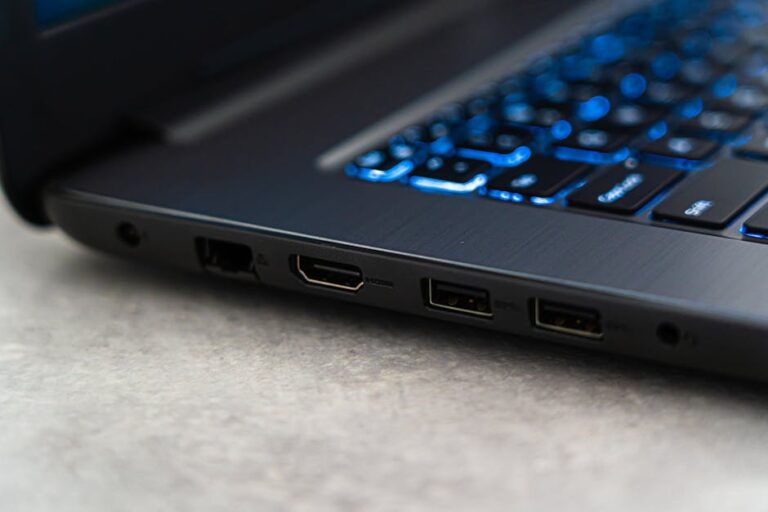
* **Build Quality & Ports:** Don’t overlook the physical aspects. A sturdy chassis and a good selection of ports (USB-C, HDMI) ensure usability and durability. Check for decent keyboard and trackpad quality – often overlooked, but crucial for daily comfort.
The Smart Choice is an Informed Choice
For the budget-conscious Indian buyer in 2025, the landscape is richer and more accommodating than ever before. You don’t have to settle for sluggish performance or outdated features. By understanding the emerging trends, embracing options like certified refurbished devices, and prioritizing core specifications like SSDs and adequate RAM, you can make a purchase that feels premium without the hefty price tag. It’s about being an informed consumer, not just a frugal one.
Final Thoughts
Your digital journey in 2025 doesn’t have to be limited by your wallet. The secret sauce isn’t about finding the *cheapest* laptop, but the *smartest* one. With a bit of research and a focus on value, you can equip yourself with a powerful companion that supports your ambitions, keeps you connected, and leaves enough rupees for that extra cup of chai. Happy computing!
Looking for more? Explore our tech guides section.
About the Author