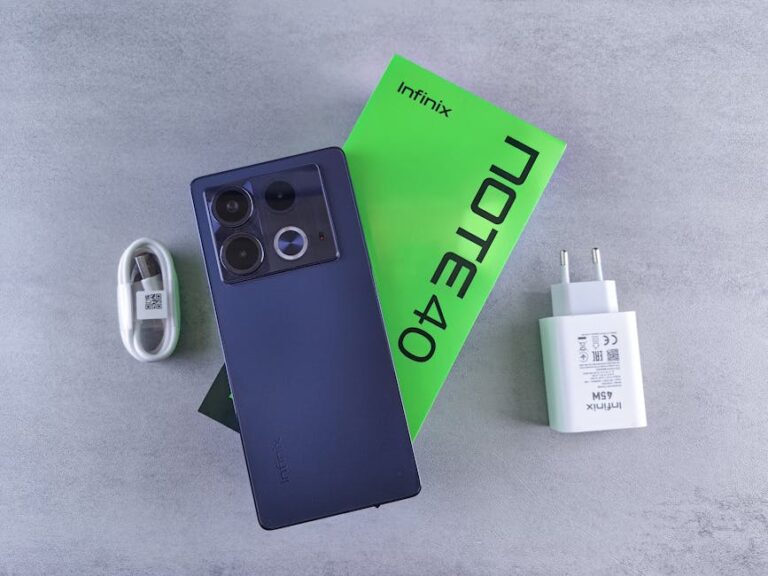

The year is 2025. You’re chilling on your balcony in Bengaluru, swiping through hyper-personalized ads on your smart display. Your neighbour, Rohan, comes over, looking a bit stressed. “Yaar, I need a new smartphone,” he sighs, “My old one’s battery is giving up, and the camera just can’t keep up with these Instagram Reels anymore. But every site has a million options! OnePlus, Samsung, Google Pixel… and then there’s the ‘Pro’ vs ‘Ultra’ vs ‘Lite’ versions. How do I even start comparing to get the best deal without feeling like I’m leaving money on the table?”
Rohan’s dilemma is one many Indians face daily. In a market flooded with choice, where every brand promises the moon and every e-commerce platform dangles an irresistible offer, making the right tech purchase can feel like navigating a digital maze. But fear not, future-forward consumer! As your resident tech commentator for 2025, I’m here to tell you that smart comparison isn’t just about finding the lowest price – it’s about finding the best *value* for your unique needs.
The Evolving Landscape of Deals & Decisions in 2025
Recommended Deals Picks
Samsung Galaxy S25 FE
- Pro-grade triple camera with enhanced AI for stunning Instagram Reels.
- All-day battery life with super-fast charging for non-stop usage.
- Vibrant Dynamic AMOLED display, perfect for media consumption.
Price: ₹52,999
OnePlus 55-inch Q2 Pro 4K Smart TV
- Stunning QLED 4K display with Dolby Vision for immersive viewing.
- Integrated OxygenPlay 3.0 for seamless access to streaming apps.
- Premium build and smart connectivity, perfect for a smart home ecosystem.
Price: ₹48,990
Daikin 1.5 Ton 5 Star Inverter Split AC
- Superior 5-star BEE rating for significant electricity bill savings.
- Patented Coanda airflow for uniform cooling across the room.
- Durable copper condenser and smart diagnosis for long-term reliability.
Price: ₹44,990

Gone are the days when ‘deals’ simply meant a percentage off. In 2025, the Indian consumer landscape for tech is far more nuanced. We’re seeing several key shifts:
AI-Powered Personalization: AI isn’t just recommending products; it’s predicting your needs, suggesting accessories, and even identifying optimal buying times based on your past behaviour and market trends. It’s like having a super-smart shopping assistant.
Subscription Models Gain Traction: For premium smartphones or even smart home ecosystems, subscription-based ownership models are becoming popular. Instead of a hefty upfront cost, you pay a monthly fee and get regular upgrades. Is it a deal? Sometimes, yes, especially if you love having the latest tech without the hassle of reselling your old device.
The Rise of Sustainable Tech: There’s a growing consciousness around environmental impact. Consumers are looking beyond just performance to factors like repairability scores, recycled materials, and energy efficiency. Deals on “green” tech are increasingly appealing. As Gadgets360 recently highlighted, brands with strong sustainability pledges are seeing increased consumer trust and sales.
Hyper-Localised Offers: Beyond national sales, expect more flash deals tailored to specific cities or even neighbourhoods, leveraging location data and local inventory. Think “Diwali Dhamaka” but for your pincode!
Your 2025 Guide to Smart Product Comparison for the Best Deals

So, how do you cut through the noise and make a truly informed decision, like Rohan trying to pick his next smartphone or even a new smart inverter for his home?
1. Define Your Non-Negotiables & Nice-to-Haves
Before you even open a comparison tool, list what you absolutely NEED. For Rohan, it’s a stellar camera and good battery life. For a smart TV, maybe it’s a specific screen size for your living room, or excellent sound for movie nights. Separate these from ‘nice-to-haves’ like a specific colour or a slightly faster processor you might not even notice. This clarity stops you from getting swayed by features you don’t actually need.
2. Leverage AI-Powered Comparison Platforms
Forget manually opening multiple tabs. In 2025, advanced AI comparison engines (often integrated into e-commerce apps or standalone tools) do the heavy lifting. They not only show side-by-side specs and prices but also aggregate user reviews, analyze price history, predict future price drops, and even highlight hidden costs like extended warranty pricing or accessory compatibility. Some can even factor in your usage patterns to suggest the most cost-effective data plan for a smartphone.
3. Look Beyond the Sticker Price: Total Cost of Ownership (TCO)
A “deal” isn’t just the upfront discount. Consider:
Energy Efficiency: A cheaper AC might drain your electricity bill. Look at BEE (Bureau of Energy Efficiency) ratings. A 5-star AC, though pricier initially, is often a better deal long-term.
Warranty & Service: A great price on a lesser-known brand might be offset by poor after-sales service or limited spare parts availability. Check brand reputation for service centres in your area.
Accessory Costs: Is the phone charger included? Are proprietary cables expensive? These add up!
Resale Value: For premium gadgets, consider how well they hold their value. A slightly more expensive phone from a popular brand might fetch a better price when you upgrade.
4. New vs. Certified Refurbished: The Value Proposition
The refurbished market for premium electronics, especially smartphones and laptops, is booming. Platforms like Cashify and Amazon Renewed offer certified, warrantied devices at significant discounts. Compare the warranty terms and return policies of a refurbished device against a new one. Often, a top-tier refurbished model can offer better performance and features than a new mid-range device for the same price. As Android Authority noted, the quality control for refurbished devices has significantly improved, making them a smart choice for budget-conscious buyers.
5. Community Wisdom & Real-World Reviews
While AI is smart, human experience is invaluable. Dive into Reddit India tech subreddits, Telegram channels, and even local WhatsApp groups. These communities offer real-world usage insights, common issues, and unbiased opinions that formal reviews might miss. Someone in your city might highlight network issues with a specific phone or excellent service for a particular appliance.
Final Thoughts

In 2025, buying tech in India is less about chasing the lowest number and more about intelligent value discovery. The best deal isn’t just about saving money today; it’s about making a choice that serves your needs, stands the test of time, and aligns with your values. So, the next time you’re faced with Rohan’s dilemma, remember to compare smarter, not harder. Use the tools at your disposal, think long-term, and empower your purchases with knowledge. Happy shopping, future-forward India!
Looking for more? Explore our budget laptops section.
About the Author