
Smartphones in India 2025: A Glimpse into the Future of Connectivity
The smartphone isn’t just a gadget in India; it’s a lifeline, a marketplace, an entertainment hub, and a gateway to opportunities for millions. From bustling metropolitan cities to remote villages, these devices have profoundly transformed how Indians live, work, and connect. As we stand on the cusp of 2025, the trajectory of smartphones in India promises even more innovation, deeper integration into daily life, and a continued push towards accessibility. What will your pocket-sized companion look like, and how will it empower you in the coming years?
The Indian Smartphone Market: A Landscape of Growth and Innovation
Recommended Smartphones Picks
Samsung Galaxy M34 5G
- Massive 6000mAh battery for extended usage
- 50MP OIS main camera for stable, clear photos
- Vibrant Super AMOLED display with 120Hz refresh rate
Price: ₹17,999
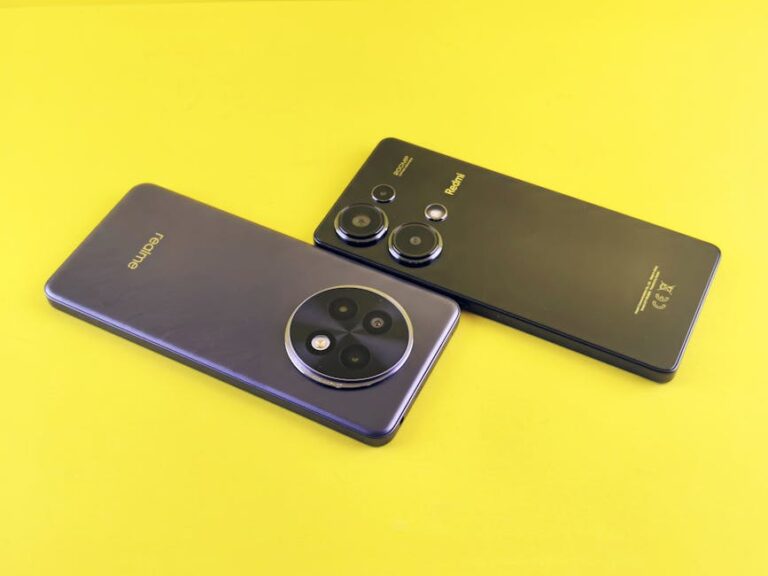
Redmi Note 13 5G
- Sleek design with IP54 dust and splash resistance
- High-resolution 108MP main camera for detailed shots
- Smooth 120Hz AMOLED display with slim bezels
Price: ₹18,999
Realme 12 5G
- Stylish watch-inspired design with a premium feel
- 108MP camera with 3x in-sensor zoom for versatile photography
- Customizable Dynamic Button for quick access to features
Price: ₹17,999

By 2025, India is set to solidify its position as one of the world’s largest and most dynamic smartphone markets. We anticipate continued aggressive growth, driven by first-time smartphone buyers in semi-urban and rural areas, alongside existing users upgrading to more advanced devices. The market will be characterized by intense competition among global giants and a resurgence of robust domestic players focusing on hyper-localized features and aggressive pricing. Affordability will remain a key driver, with manufacturers vying to offer cutting-edge technology at accessible price points, ensuring that the digital revolution reaches every corner of the nation.
Beyond sales numbers, 2025 will see an increased emphasis on local manufacturing under initiatives like ‘Make in India,’ potentially leading to more tailored software experiences and robust after-sales support networks. The sheer scale and diversity of the Indian consumer base will continue to fuel innovation, making it a crucial testing ground for new technologies before they hit global markets.
AI and Hyper-Personalization: Your Phone, Your Intelligent Assistant

Artificial Intelligence (AI) is no longer a futuristic concept; it’s already enhancing our smartphone experience. By 2025, expect AI to be deeply embedded, transforming your device into a truly intelligent, hyper-personalized assistant. Imagine your phone proactively managing your daily schedule, suggesting the quickest commute based on real-time traffic, or even ordering your preferred groceries as you run low, all learned from your habits.
Camera AI will evolve beyond basic scene detection, offering advanced features like real-time language translation in images, personalized photo editing suggestions based on local aesthetics, and even identifying local flora and fauna. Voice assistants will become more nuanced, understanding multiple Indian languages and dialects with greater accuracy, seamlessly integrating into smart home ecosystems and facilitating complex multi-step commands. This intelligence will be less about flashy features and more about subtly enhancing every interaction, making your smartphone feel like an intuitive extension of yourself.
5G and Beyond: Connectivity Redefined for the Digital Indian

The widespread rollout of 5G networks across India is perhaps the most transformative trend impacting smartphones by 2025. While initial adoption focused on major cities, expect significant expansion into Tier 2 and Tier 3 cities, making ultra-fast, low-latency connectivity a reality for a much larger populace. This isn’t just about faster downloads; it’s about unlocking new possibilities.
Mobile gaming will reach console-like quality with cloud gaming services thriving, streaming high-definition content will be seamless, and augmented reality (AR) and virtual reality (VR) applications will become more practical and immersive, particularly in education, retail, and entertainment. Affordable 5G smartphones will be the norm, ensuring that the benefits of this next-generation connectivity are accessible to a broader demographic. Furthermore, discussions around 6G and satellite internet integration might even begin to surface, hinting at even more futuristic connectivity options for the Indian market.
Sustainability and Durability: A Growing Concern for Conscious Consumers
As environmental awareness grows, Indian consumers are increasingly looking beyond just specifications and price. By 2025, sustainability and durability will emerge as significant factors in smartphone purchasing decisions. Manufacturers will respond by focusing on using recycled materials in device construction, reducing e-waste through modular designs and easier repairability, and adopting eco-friendly packaging.
The demand for longer-lasting devices, backed by extended software support and readily available spare parts, will increase. Companies offering transparent repair indexes and robust trade-in programs will gain an edge. This shift reflects a maturing market where consumers value the longevity and environmental impact of their gadgets, moving away from a purely disposable mindset towards more responsible consumption.
Software Innovation: Beyond Just Apps
The hardware advancements will be complemented by significant software innovations. Operating systems will prioritize user privacy and data security even more, offering granular control over permissions and enhanced encryption. We’ll see deeper integration with various smart home ecosystems, allowing your smartphone to be the central control for a connected lifestyle, from smart lights to appliances, often leveraging India’s own Open Network for Digital Commerce (ONDC) initiatives.
Digital payments will become even more seamless and secure, with integrated UPI (Unified Payments Interface) features and biometric authentication becoming standard. Government services, healthcare platforms, and educational resources will be more accessible and intuitive through dedicated smartphone applications, truly embodying the vision of a ‘Digital India’. Software updates will not just bring new features but also crucial security patches and performance enhancements, ensuring devices remain relevant and secure for longer.
Conclusion: The Smartphone as a Catalyst for India’s Digital Future
The year 2025 promises a smartphone landscape in India that is more intelligent, connected, sustainable, and deeply integrated into the fabric of daily life. From AI-powered personalized experiences and ubiquitous 5G connectivity to a growing emphasis on environmental responsibility and robust software ecosystems, these devices will continue to be powerful catalysts for India’s digital transformation. The future of smartphones in India isn’t just about advanced technology; it’s about empowering every Indian with tools that enhance convenience, productivity, and connection, paving the way for an even more digitally inclusive nation.
About the Author