
Smartphones in India 2025: Navigating the Digital Revolution
The smartphone isn’t just a gadget in India; it’s a lifeline, a gateway to education, entertainment, commerce, and connection. As we cast our gaze towards 2025, the Indian smartphone market continues its rapid evolution, shaped by technological advancements, economic shifts, and the unique demands of a diverse consumer base. From bustling metros to burgeoning rural areas, these pocket-sized powerhouses are driving India’s digital transformation. What new trends, innovations, and opportunities can we expect in the dynamic world of smartphones in India 2025?
The Enduring Dominance and Evolving Landscape
India remains one of the fastest-growing and most competitive smartphone markets globally. By 2025, the sheer volume of users is expected to surge, with mobile internet penetration reaching unprecedented levels. This growth isn’t just about first-time buyers; a significant chunk will come from users upgrading their devices, seeking more advanced features and seamless experiences. The landscape will be a fascinating mix of global giants, aggressive Chinese players, and a burgeoning segment of local brands vying for a slice of this lucrative pie. The emphasis will shift from mere access to enhanced utility, driving demand for more capable and feature-rich smartphones India has to offer.
5G: The Unstoppable Force

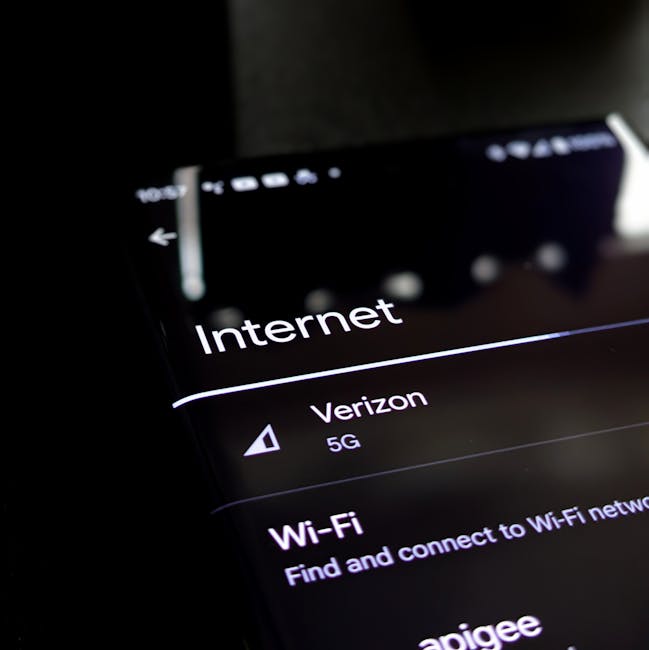
While 5G began its rollout in India in late 2022, 2025 will be the year it truly goes mainstream. Network coverage will have expanded significantly across urban and semi-urban areas, making 5G India a tangible reality for millions. This wider availability will fuel the demand for budget 5G smartphones, as manufacturers strive to bring down costs and make the technology accessible to the masses. Faster download and upload speeds, ultra-low latency, and enhanced reliability will unlock new use cases, from immersive mobile gaming and seamless video conferencing to advanced IoT applications and augmented reality experiences. Consumers will increasingly prioritize 5G compatibility as a key buying factor, viewing it as a future-proofing necessity rather than a luxury.
Beyond Performance: The Smart Features Defining 2025

Processor speed and RAM will always be important, but by 2025, the definition of a “smart” phone will expand dramatically. Artificial Intelligence (AI) will be deeply embedded, moving beyond simple voice assistants. Expect sophisticated AI for smarter camera processing, personalized user experiences, predictive text, enhanced security, and incredibly efficient battery management. Camera technology will continue to be a major battleground. Smartphone camera India users demand excellence, and 2025 will see computational photography reaching new heights, with better low-light performance, advanced optical image stabilization, and AI-powered editing tools that can transform amateur shots into professional-looking photographs. Long-lasting batteries and ultra-fast charging will also remain critical features, given India’s on-the-go lifestyle.
The ‘Made in India’ Momentum and Brand Wars
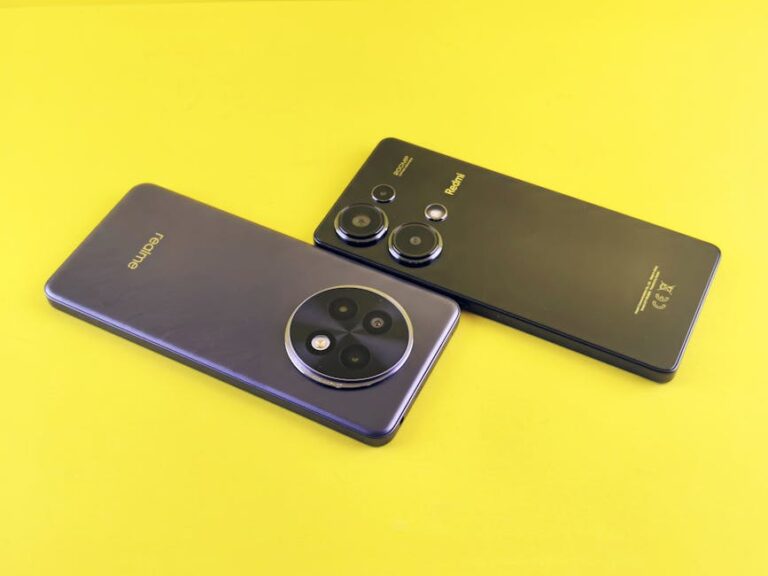
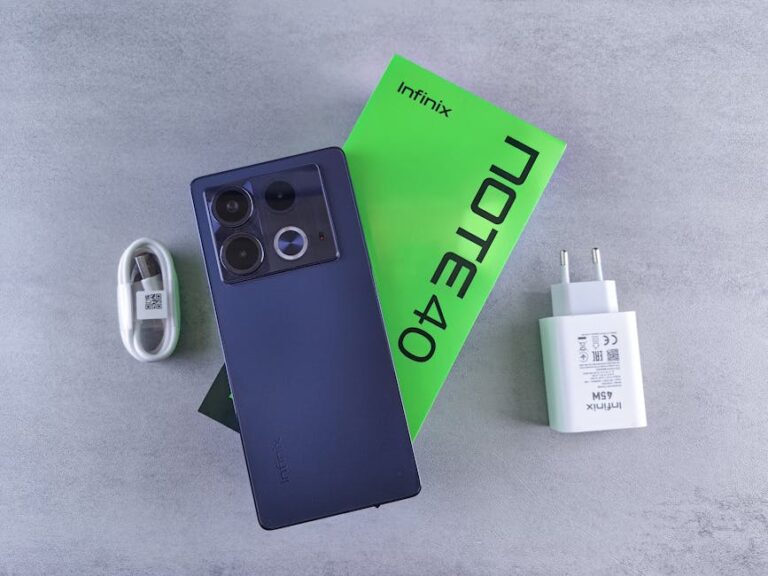
The government’s ‘Make in India’ initiative has already spurred a significant increase in local smartphone manufacturing and assembly. By 2025, this trend will accelerate, with more global brands establishing production facilities within the country, and local brands gaining more traction. This not only creates jobs but also potentially leads to more competitive pricing and quicker availability of models tailored for the Indian market. The brand wars will intensify: Chinese giants like Xiaomi, Vivo, and Realme will continue their aggressive strategies, while Samsung will likely double down on its mid-range and premium offerings. Indian players like Lava and Micromax, learning from past experiences, might carve out niche segments by focusing on value, service, and localized features, promoting the true spirit of Made in India smartphones.
Affordability and Accessibility: The Core of India’s Market
Despite technological advancements, affordability will remain the bedrock of the Indian smartphone market. The sweet spot for sales will continue to be the mid-range segment (₹15,000 – ₹30,000), offering a robust balance of features and price. However, the entry-level segment (below ₹10,000) will still command a substantial share, catering to new internet users and those seeking basic, reliable connectivity. Manufacturers will innovate not just in hardware but also in pricing models, offering attractive EMI options, trade-in programs, and bundled data plans to make devices more accessible. The emphasis will be on providing maximum value for money, ensuring that every rupee spent translates into a tangible benefit for the user. Affordable smartphones will continue to bridge the digital divide.
Conclusion
The future of smartphones in India 2025 is vibrant, dynamic, and incredibly exciting. As 5G becomes ubiquitous, AI integration deepens, and ‘Made in India’ gains further momentum, consumers can look forward to devices that are not just smarter and faster, but also more tailored to their specific needs and aspirations. The smartphone will continue to be the primary driver of India’s digital future, empowering individuals and businesses alike, transforming how we live, work, and connect. The journey is far from over; in fact, it’s just getting started.
About the Author