
India’s Smartphone Revolution 2025: Unpacking the Future of Mobile Tech
India’s love affair with smartphones is no secret. From bustling metropolitan cities to remote villages, these pocket-sized supercomputers have transformed how we connect, work, learn, and entertain. As we look towards 2025, the Indian smartphone market is poised for an even more exhilarating transformation, driven by cutting-edge technology, evolving consumer demands, and a uniquely Indian context. What can we expect from the smartphones that will define India’s digital future?
The Ubiquitous Reach of 5G: A New Era of Connectivity
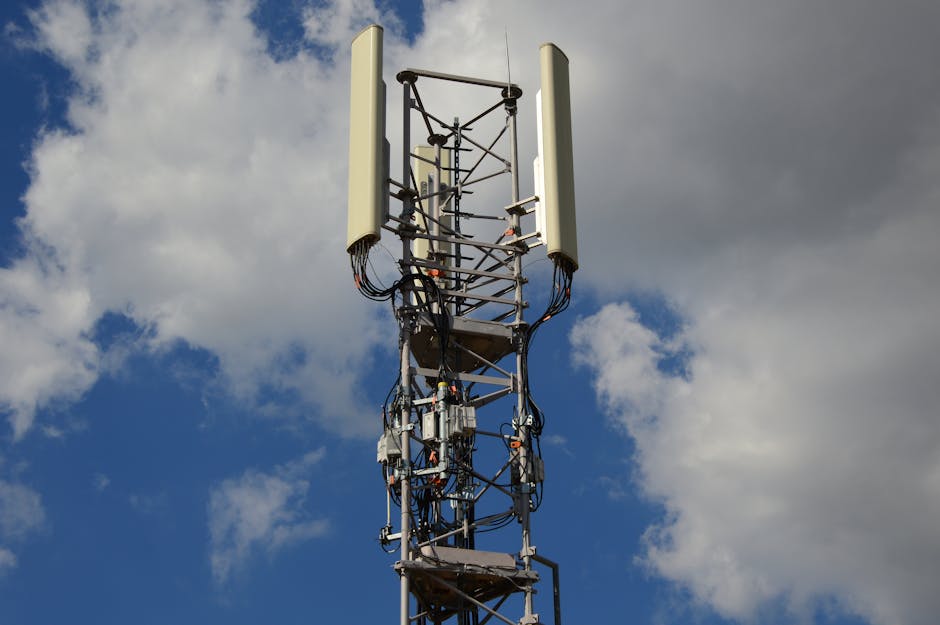
By 2025, 5G will no longer be a nascent technology but a widespread standard across India. Having moved past initial deployment, 5G connectivity will be robust, reliable, and more affordable, driving unprecedented adoption even in Tier 2 and Tier 3 cities. Expect virtually every new smartphone, even in the mid-range segment, to be 5G-enabled. This pervasive connectivity will unlock new use cases: seamless cloud gaming, ultra-high-definition video streaming, augmented reality (AR) experiences becoming mainstream, and more efficient smart home ecosystems. For the average Indian user, this means less buffering, faster downloads, and a truly always-on, high-speed internet experience, fundamentally changing digital consumption habits.
AI Takes the Driver’s Seat: On-Device Intelligence

Artificial Intelligence (AI) will transcend being just a buzzword; it will be deeply integrated into the core functionality of smartphones in India by 2025. We’re talking about on-device AI that enhances user experience without constant reliance on cloud servers. Imagine phones that intuitively understand your habits, optimize battery usage based on your routine, predict your needs, and offer hyper-personalized content. From smarter virtual assistants that understand local languages and nuances better, to generative AI capabilities for quick content creation (text, images) directly on your device, AI will make smartphones more proactive, efficient, and truly intelligent companions. This will be particularly impactful for productivity and creative tasks, empowering users in new ways.
Imaging Redefined: The Smart Camera Evolution

The camera remains a top priority for Indian smartphone buyers, and 2025 will bring significant advancements. Computational photography, already impressive, will reach new heights. Expect smartphones to capture stunning photos and videos in virtually any lighting condition, leveraging AI to enhance details, colour accuracy, and dynamic range far beyond what traditional optics can achieve. Features like advanced real-time video stabilization, cinematic bokeh effects, and AI-powered object recognition for perfect framing will become standard across various price points. More versatile multi-camera setups, including improved telephoto and ultra-wide lenses, will empower users to tell their stories with professional-grade quality, making every moment Instagram-ready.
Sustainability and Durability: A Growing Priority
As environmental awareness grows, Indian consumers will increasingly value sustainability and durability in their smartphones. By 2025, brands will respond with phones featuring longer software update cycles, encouraging users to hold onto their devices for more than 2-3 years. Expect a greater emphasis on using recycled materials in manufacturing, easier repairability (modular designs, readily available spare parts), and more energy-efficient components. Robust build quality, dust, and water resistance will also become more common, reflecting the demand for devices that can withstand the diverse and sometimes challenging conditions of daily life across India.
Form Factors and Flexibility: Beyond the Traditional Slab
While the classic ‘slab’ phone will remain dominant, 2025 could see foldables and other innovative form factors become more accessible in India. With increased competition and refinements in manufacturing, foldable phones might see a significant price drop, making them a viable option for the premium and even upper mid-range segments. These devices offer unparalleled screen real estate for productivity and entertainment, appealing to a tech-savvy audience. Beyond foldables, expect experimentation with rollable displays, enhanced haptic feedback systems, and deeper integration of stylus support, offering users more diverse ways to interact with their devices.
The Indian Market Divide: Budget, Mid-Range, and Premium
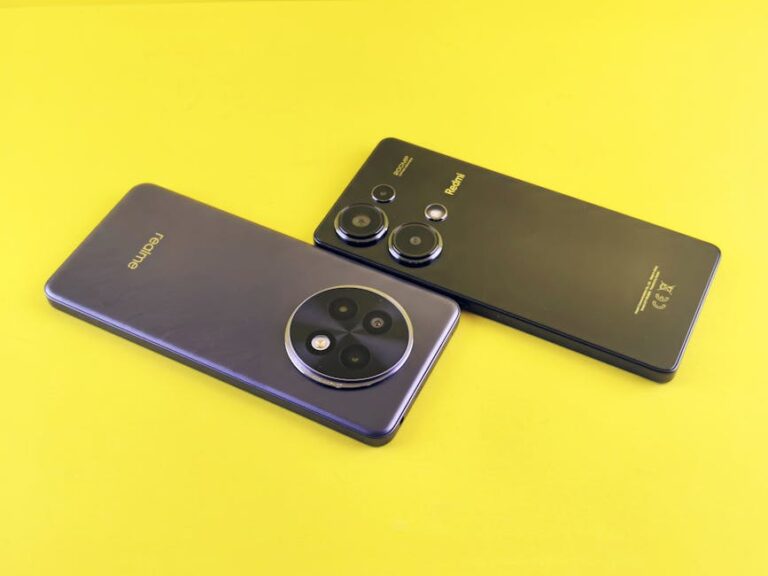
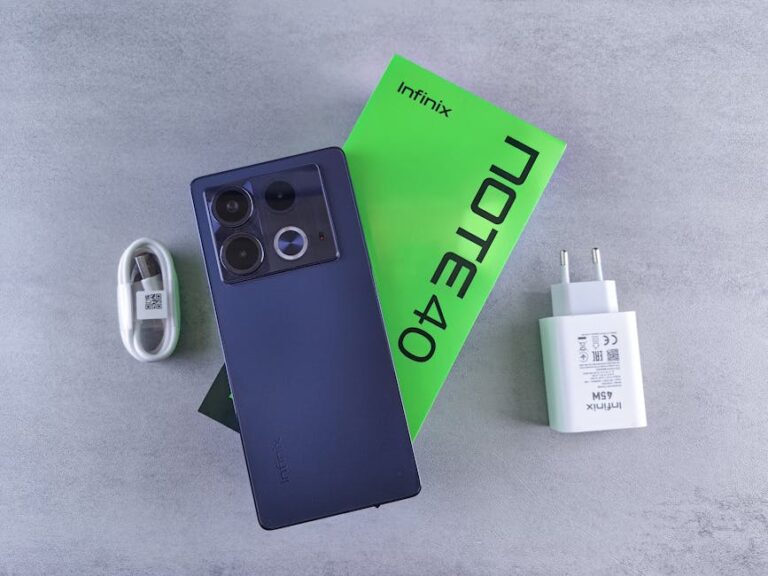
India’s smartphone market will continue to be highly stratified. The budget segment will still focus on aggressive pricing, offering increasingly good value with features like large batteries, decent cameras, and basic 5G. The mid-range will be the sweet spot, with brands like Xiaomi, Realme, and Samsung pushing boundaries by bringing premium features (e.g., AMOLED displays, faster charging, improved cameras, on-device AI capabilities) down to more affordable price points. The premium segment will witness steady growth, with brands like Apple and OnePlus cementing their positions among aspirational buyers who prioritize brand status, cutting-edge innovation, and ecosystem integration. The “Made in India” initiative will also gain further traction, with more companies localizing manufacturing and R&D.
Conclusion
The year 2025 promises to be a landmark period for smartphones in India. From the pervasive adoption of 5G and the intelligence of on-device AI to sophisticated camera systems and a growing emphasis on sustainability, the devices in our pockets will be more powerful, intuitive, and seamlessly integrated into our lives than ever before. India, with its vast and diverse consumer base, will not just be a market for these innovations but a key driver, influencing global smartphone trends. Get ready, because the future of mobile tech in India is bright, fast, and incredibly smart!
About the Author