
India’s Smartphone Story: What to Expect in 2025
India, a nation of over 1.4 billion people, stands as one of the most dynamic and fastest-growing smartphone markets globally. As we edge closer to 2025, the landscape is poised for even more revolutionary changes. From blazing-fast connectivity to hyper-intelligent devices and an increased focus on sustainability, the future of smartphones in India 2025 promises an exciting blend of innovation and accessibility. Let’s delve into what Indian consumers can anticipate from their pocket-sized companions.
The 5G Tsunami: Widespread Adoption & Beyond
Recommended Smartphones Picks
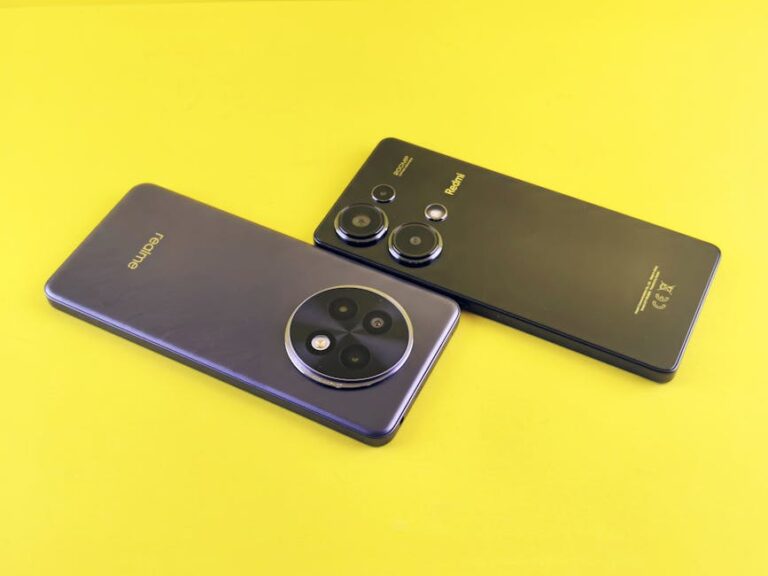
Realme 12 5G
- Smooth 120Hz display & premium design.
- Efficient 5000mAh battery with 45W fast charging.
- Capable 108MP primary camera for detailed shots.
Price: ₹16,999
Samsung Galaxy M34 5G
- Massive 6000mAh battery for extended usage.
- Vibrant Super AMOLED display with 120Hz refresh rate.
- 50MP OIS camera for stable, clear photos.
Price: ₹15,999
Redmi Note 13 5G
- Stunning 120Hz AMOLED display with slim bezels.
- Powerful 108MP camera with advanced processing.
- Reliable 5000mAh battery with 33W fast charging.
Price: ₹17,999

While 5G began its rollout in India in late 2022, 2025 will undoubtedly be the year it truly goes mainstream. Expect to see widespread 5G connectivity across India, moving beyond metros to Tier-2 and Tier-3 cities. This means not just faster downloads, but a paradigm shift in how we interact with our devices. Cloud gaming will become seamless, AR/VR applications will feel more immersive, and IoT devices will communicate with unprecedented efficiency. Smartphone manufacturers will increasingly optimise their offerings specifically for the Indian 5G ecosystem, making high-speed data a standard rather than a premium feature, even in the mid-range segment.
AI Takes Centre Stage: Smarter Than Ever

Artificial Intelligence (AI) is no longer a futuristic concept; it’s already embedded in our devices. By 2025, expect on-device AI capabilities in Indian smartphones to reach new heights. Generative AI will move beyond simple photo edits to personalized content creation, intelligent scheduling, and hyper-efficient task management. Camera systems will leverage AI for even more sophisticated computational photography, offering professional-grade results with minimal effort. Imagine your phone proactively suggesting optimal routes based on real-time traffic, managing your notifications with unprecedented accuracy, or even drafting emails based on your communication style. These AI-powered functionalities will be a key differentiator, enhancing user experience and making devices truly “smart.”
The Budget & Mid-Range Powerhouses Continue Their Reign

The heart of the Indian smartphone market has always been its budget and mid-range segments, and this won’t change in 2025. Brands like Xiaomi, Realme, Samsung, Vivo, and Oppo will continue their fierce competition, pushing the boundaries of what’s possible at accessible price points. Expect features once exclusive to flagships – such as high refresh rate displays, multi-camera setups, faster charging, and robust processors – to become standard in devices priced under ₹20,000. The focus will be on delivering exceptional value, catering to the aspirational yet price-sensitive Indian consumer who demands performance without breaking the bank. This segment will be crucial for driving smartphone penetration deeper into rural India.
Premium & Foldables: A Niche, But Growing Aspiration
While mass-market appeal remains with budget devices, the premium segment, dominated by Apple and Samsung, will also witness steady growth. As disposable incomes rise, more Indian consumers will aspire to own top-tier devices, valuing brand prestige, cutting-edge innovation, and superior build quality. Furthermore, foldable phones in India, though still niche, are likely to see increased adoption. With improved durability, refined form factors, and potentially more competitive pricing (though still premium), foldables from Samsung and new entrants will start making a more noticeable presence, offering a glimpse into the future of mobile design and utility.
Sustainability & Localisation: A Conscious Shift
As environmental awareness grows, sustainable smartphones will gain traction. Consumers will increasingly look for devices made from recycled materials, offering longer software support, and easier repairability. Manufacturers will be pressured to reduce their carbon footprint and address e-waste concerns. Concurrently, the “Made in India” initiative will gather further momentum. Expect more components to be sourced locally, fostering domestic manufacturing and reducing reliance on imports. This focus on localisation will not only create jobs but also allow brands to tailor products more precisely to Indian tastes and regulatory requirements, driving truly “Indian” smartphone innovations.
Conclusion: A Smarter, More Connected India
The year 2025 promises to be a landmark period for smartphones in India. With 5G becoming ubiquitous, AI making devices genuinely intelligent, and a relentless drive for value in every segment, the Indian consumer stands to benefit immensely. The emphasis on sustainability and local manufacturing reflects a maturing market that is not just about consumption but also conscious growth. Whether you’re a tech enthusiast or a casual user, the evolution of mobile technology in India will undoubtedly reshape our daily lives, making them more connected, efficient, and engaging than ever before. The future of communication is bright, and it’s unfolding right here in India.
About the Author