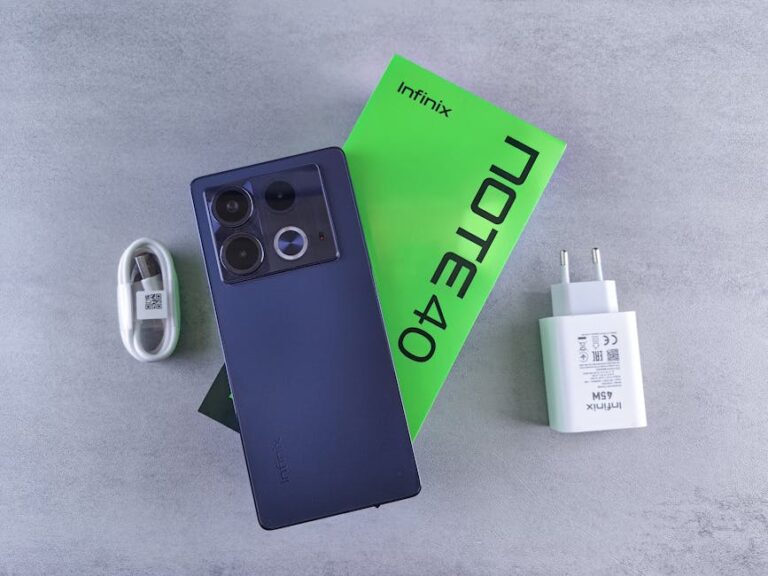

In the bustling digital landscape of India, where smartphone penetration soars and e-commerce reigns supreme, the humble “review” has transformed from a mere comment into a powerful economic force. As we look towards 2025, the significance of online reviews in India is not just growing; it’s evolving, shaping consumer decisions and dictating brand destinies. For the savvy Indian consumer and the ambitious business alike, understanding this dynamic ecosystem of feedback is paramount. From electronics to eateries, travel plans to medical consultations, reviews are the new currency of trust and transparency. Get ready to dive deep into how reviews will redefine the Indian market in the coming year.
The Evolving Landscape of Reviews in India (2025)

The year 2025 in India will see the review economy mature into an even more sophisticated entity. Fuelled by a rapidly expanding digital-first population, particularly Gen Z and Millennials, the reliance on peer-generated content for purchasing decisions will hit new heights. With an estimated 900 million internet users, the average Indian consumer is increasingly digitally literate and critical. No longer are they passive recipients of advertising; they are active researchers, dissecting every aspect of a product or service through the lens of other users’ experiences. This shift has made online reviews an indispensable part of the pre-purchase journey for everything from the latest smartphone on Amazon.in to a new restaurant on Zomato. The sheer volume and velocity of reviews generated daily reflect a culture that values shared experience and informed choice above all else.
Beyond Star Ratings: What Indian Consumers Look For

While a 4.5-star rating remains a strong indicator, Indian consumers in 2025 will demand more nuanced and detailed insights. They are actively seeking context, authenticity, and relatability. This means:
- Detailed & Balanced Feedback: Pros and cons are crucial. A review that acknowledges both strengths and weaknesses is often seen as more credible than an overwhelmingly positive one.
- Verified Purchases & User Profiles: Consumers are smarter about distinguishing genuine feedback. Labels like “Verified Buyer” and detailed user profiles with multiple contributions build trust.
- Visual & Video Reviews: Unboxing videos, product demos, and user-generated content (UGC) showing the product in real-world usage will become even more influential. Seeing is believing, and for a skeptical Indian buyer, visuals add immense credibility.
- Community Discussions: Q&A sections and comment threads where users help each other with queries about products or services will gain prominence, fostering a sense of community and shared knowledge.
- Local Context: For services, reviews discussing aspects like delivery speed in specific cities, after-sales support availability, or the proficiency of a local service technician (e.g., from Urban Company) will be highly valued.
This granular approach reflects a desire for comprehensive information before making a financial commitment.
Key Platforms Dominating the Review Space

The landscape of review platforms in India is diverse and highly competitive. In 2025, certain platforms will continue to be cornerstones for consumer feedback:
- E-commerce Giants: Amazon.in and Flipkart will remain the primary hubs for product reviews. Their integrated review systems, often featuring “verified purchase” badges, are trusted by millions.
- Service Aggregators: Zomato and Swiggy for food, MakeMyTrip and Goibibo for travel, Practo for healthcare, and Urban Company for home services will continue to be indispensable for service-based reviews. User-generated photos and detailed service experiences are critical here.
- Google My Business & Maps: For local businesses, from small shops to large clinics, Google reviews are non-negotiable. They directly influence local SEO and are often the first touchpoint for potential customers.
- Social Media & Influencers: While not traditional review platforms, Instagram, YouTube, and even X (formerly Twitter) serve as powerful informal review channels. Influencer marketing and organic discussions contribute significantly to a brand’s reputation, especially among younger demographics.
- Niche Platforms: Specialized forums and websites focusing on specific categories like automobiles, gadgets, or real estate will continue to cater to highly engaged user bases seeking expert and peer insights.
The omnipresence of these platforms ensures that a brand’s reputation is constantly under scrutiny, making strategic engagement with reviews essential.
The Impact of Reviews: For Consumers and Businesses
The ripple effect of reviews in India 2025 is profound, impacting both sides of the market equation:
- For Consumers: Reviews empower smarter decisions, reduce purchase anxiety, and ensure better value for money. They act as a collective voice, holding businesses accountable and driving improvements in product quality and customer service. Informed consumers are confident consumers.
- For Businesses: Positive reviews are a goldmine – they boost search engine rankings, increase conversion rates, build brand loyalty, and differentiate a brand in a crowded market. Conversely, negative reviews, if unaddressed, can severely damage a brand’s reputation and bottom line. Effective review management, including responding to feedback and addressing grievances, will be a critical component of any successful business strategy. Reviews provide invaluable customer feedback, acting as a free market research tool that highlights areas for improvement and innovation. They are a direct line to understanding consumer sentiment and adapting offerings to meet evolving demands.
This symbiotic relationship underscores the power of the digital word in shaping the Indian economy.
Navigating the Future: Challenges and Opportunities
While the review landscape presents immense opportunities, it’s not without its challenges. The proliferation of fake reviews and review manipulation remains a concern, demanding robust verification mechanisms from platforms and increased critical thinking from consumers. Data privacy regarding user reviews will also be a growing area of focus.
However, the opportunities are even more exciting. The integration of Artificial Intelligence (AI) will revolutionize review analysis, allowing businesses to glean deeper insights from vast datasets of feedback. AI can identify trends, sentiment, and pain points with unprecedented accuracy. Hyper-personalization of review content, where users see reviews most relevant to their specific needs and demographics, will enhance the user experience. The rise of voice search and smart assistants will also open new avenues for accessing and delivering review information, making feedback even more immediate and integrated into daily life. Expect more brands to directly engage with review platforms, using them not just for listening but for proactive customer service and community building.
Conclusion
As India strides into 2025, the culture of “reviews” will be deeply woven into its digital fabric. More than just feedback, reviews represent the collective wisdom and trust of millions of Indian consumers. For businesses, they are a powerful tool for growth, reputation building, and customer engagement. For consumers, they are an indispensable guide in an increasingly complex marketplace. Embracing this dynamic review economy, understanding its nuances, and actively participating in it will be crucial for anyone looking to thrive in India’s vibrant digital future. The power of a shared experience, amplified by technology, is here to stay, reshaping how we buy, sell, and trust in the Indian market.
About the Author