
Navigating the 2025 Smartphone Maze: Your Indian Buyer’s Guide
Recommended Smartphones Picks
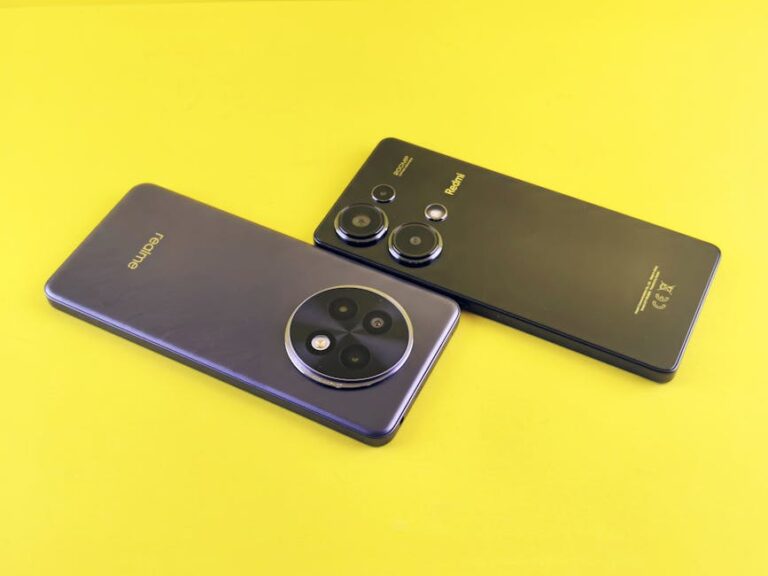
Redmi Note 13 5G
- Vibrant 120Hz AMOLED display for immersive viewing
- 108MP AI camera for sharp photos and versatile shots
- Long-lasting 5000mAh battery with fast charging support
Price: ₹17,999
Realme P1 5G
- Blazing-fast MediaTek Dimensity 7050 5G chipset for smooth performance
- Bright 120Hz AMOLED display with high peak brightness
- 45W SuperVOOC Charge and a large 5000mAh battery
Price: ₹15,999
Samsung Galaxy M15 5G
- Massive 6000mAh battery for extended usage
- Vivid Super AMOLED display for rich colors and clarity
- Reliable 50MP AI camera for clear everyday photography
Price: ₹13,499

Remember 2015, when picking a smartphone felt like choosing between a handful of distinct options? Fast forward to 2025, and that simple choice has morphed into an elaborate, dazzling, yet often bewildering spectacle. The Indian smartphone market, always a vibrant battleground, has matured into a hyper-competitive arena where every week brings a new launch, a new feature, or a new claim of being “the best.” For the average Indian consumer, the sheer volume of devices, each promising revolutionary AI, unparalleled camera tech, or an endless battery, makes the purchasing decision feel less like an upgrade and more like a high-stakes gamble. This isn’t just about buying a gadget; it’s about investing in a device that will be your window to work, entertainment, family, and the digital India of tomorrow.
The Paradox of Plenty: Why Choosing a Phone in India is Harder Than Ever

The core problem isn’t a lack of good phones; it’s the overwhelming abundance of them. Brands like Xiaomi, Samsung, Realme, OnePlus, Vivo, and Oppo have flooded every price segment, often with multiple models that seem to blur into one another. Consider the ₹20,000 to ₹35,000 bracket, a sweet spot for many Indian buyers. Within this range, you’ll find phones boasting 108MP cameras, AMOLED displays, 67W fast charging, and 5G connectivity. The specifications look identical on paper, leaving consumers scratching their heads. Is a slightly better processor worth sacrificing OIS on the camera? Does a cleaner software experience outweigh a marginally larger battery? These aren’t just minor tweaks; they represent fundamental shifts in user experience. Moreover, the rapid evolution of technology, particularly with AI integration and advanced camera computational photography, means that a phone launched six months ago might already feel a generation behind, adding another layer of anxiety to the purchase process for value-conscious buyers.
2025’s Defining Smartphone Trends and What They Mean for You

To cut through the noise, it’s crucial to understand the underlying currents shaping the smartphone landscape in 2025. This year, we’re seeing three major trends dominate:
Firstly, **On-Device AI is No Longer a Gimmick, It’s Essential.** From real-time language translation during your trips across states to intelligent photo and video editing that can instantly remove distractions or enhance low-light shots, AI is moving from the cloud to the chip. Flagship and even premium mid-range phones are now packing dedicated NPUs (Neural Processing Units) that handle these tasks with incredible speed and efficiency, making your device smarter and more personal. As Gadgets360 recently highlighted, “The true power of AI in smartphones will be unlocked not just by cloud computing, but by robust on-device processing capabilities, offering privacy and instantaneous results.”
Secondly, **Camera Versatility Trumps Megapixels.** While high megapixel counts still catch the eye, the real innovation lies in larger sensors, improved optical image stabilization (OIS), and sophisticated computational photography algorithms. A phone with fewer megapixels but a larger sensor and excellent software processing can often outperform a higher-megapixel sensor in challenging conditions, especially in India’s diverse lighting environments – from dimly lit street food stalls to bright, sun-drenched landscapes. Think about capturing that perfect candid shot at a family wedding or a vibrant festival; the software behind the lens is doing more heavy lifting than ever.
Thirdly, **The Mid-Range is the New Flagship.** The gap between premium mid-range phones (₹30,000-₹50,000) and full-blown flagships has narrowed significantly. You can now get stunning AMOLED displays, powerful chipsets capable of running heavy games like BGMI smoothly, excellent camera systems, and super-fast charging without breaking the bank. This segment often offers 80-90% of the flagship experience at half the price, making it incredibly attractive for Indian consumers who prioritize value without compromising on core features. As Android Authority noted in a recent analysis, “The sweet spot for innovation and value in 2025 undeniably lies within the upper mid-range, offering compelling alternatives to traditional flagships.”
Expert Insight: What to Prioritize in Your 2025 Smartphone Comparison
According to Priya Sharma, a seasoned digital trends analyst specializing in the Indian market, the key to a smart purchase isn’t about finding the ‘best’ phone universally, but the ‘best’ phone for *you*. “Forget the spec sheet wars for a moment,” Sharma advises. “Instead, list your top three non-negotiable needs. Are you a mobile gamer? A budding photographer? Do you need a battery that lasts two days because you’re constantly on the move for work?”
Sharma suggests focusing your comparison on these critical areas:
- **Processor & Software Synergy:** Don’t just look at the chip name. Research how it performs with the phone’s specific software. A well-optimized mid-range chip can often feel snappier and more stable than a poorly integrated flagship processor. Also, consider the brand’s track record for software updates and security patches – crucial for long-term usability.
- **Battery Endurance & Charging Speed:** For Indian users, long battery life is paramount, especially with frequent power cuts in some regions and extended commutes. Couple that with rapid charging (60W or above is ideal) to quickly top up your device during short breaks.
- **Display Quality & Brightness:** An AMOLED display with a high refresh rate (90Hz or 120Hz) offers a significantly smoother and more vibrant viewing experience, whether you’re watching a Bollywood movie or scrolling through social media. Ensure it has good peak brightness for outdoor visibility under the Indian sun.
- **5G Band Support:** While 5G is still evolving, ensure your chosen device supports a wide array of 5G bands relevant to India (n77, n78 are common) to future-proof your connectivity.
- **Ecosystem & After-Sales Service:** Consider if you’re already invested in a brand’s ecosystem (e.g., Samsung’s smart devices, Apple’s AirPods). Also, research the brand’s after-sales service network and reliability in your city – a crucial, often overlooked aspect.
Conclusion: Your Informed Decision Awaits
The smartphone market in 2025 is a rich tapestry of innovation and choice, particularly in India. While the sheer volume can be daunting, approaching your next purchase with a clear understanding of your personal priorities and the prevailing technological trends will empower you. Move beyond simply comparing spec sheets; think about how the phone will integrate into your daily life, enhance your productivity, and capture your memories. The “best” phone isn’t a universal truth; it’s a personal revelation.
Final Thoughts
In a world where every phone feels like it’s shouting for attention, take a moment to listen to what *you* truly need. Are you actually going to use that obscure macro lens, or would a more consistent main camera be better? Do you really need the absolute fastest processor if your heaviest use is WhatsApp and Netflix? The real revolution in 2025 isn’t just about faster chips or better cameras; it’s about the ability to choose a device that genuinely serves your specific Indian lifestyle – from handling UPI payments seamlessly to streaming regional content without a hitch, and enduring the daily hustle. Buy smart, buy for *you*.
Looking for more? Explore our tech guides section.
About the Author