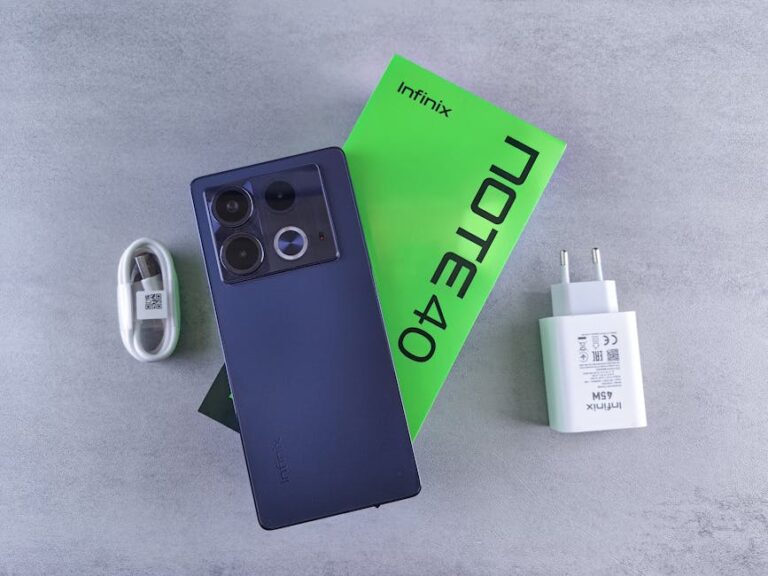

The Budget Tech Revolution: India’s Gadget Market Under Rs 10,000 in 2025
Recommended Gadgets Under Rs 10,000 Picks
AI Health Smartwatch
- Advanced AI-powered health monitoring (SpO2, HR, sleep).
- Personalized workout suggestions and stress tracking.
- Long-lasting battery life (5-7 days) with quick charge.
Price: ₹4,999
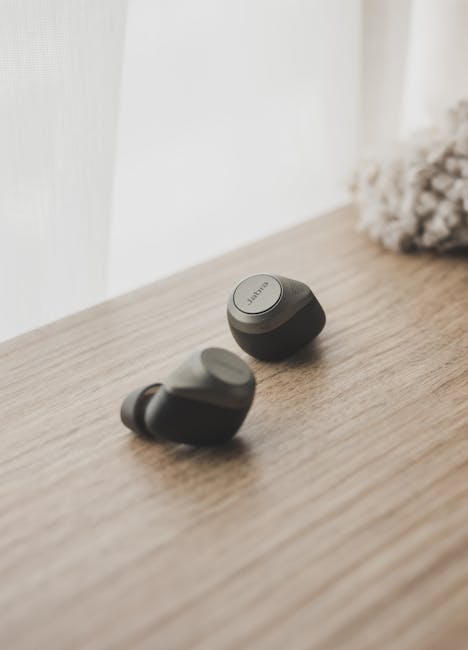
ANC Spatial TWS Earbuds
- Immersive Active Noise Cancellation (ANC) for clear audio.
- Spatial audio support for a premium listening experience.
- Seamless multi-device pairing and low-latency connectivity.
Price: ₹3,999
Regional Language Smart Display
- Voice control in English, Hindi, and popular regional languages.
- Integrated video calling and smart home device management.
- Compact design, ideal for kitchen or desk, with crisp display.
Price: ₹6,999

It’s 2025. You’ve just finished a quick video call with your cousin in Bengaluru using your new budget-friendly smart display. As you brew your morning chai, your smartwatch, a steal at Rs 4,999, nudges you about your sleep quality and suggests a quick meditation. Later, on your commute, you effortlessly switch between a podcast and a call using your TWS earbuds, which cost less than a fancy dinner. This isn’t a futuristic fantasy for the elite; this is the everyday reality for millions of Indians, powered by the incredible evolution of gadgets under Rs 10,000.
For too long, “budget” often meant compromising on features, quality, or even style. But in 2025, India’s affordable gadget market has shattered those old notions, democratizing advanced technology for everyone from college students in Jaipur to small business owners in Kochi. The growth isn’t just incremental; it’s a full-blown revolution, making India a global trendsetter in value-for-money tech.
Understanding the Momentum: Market Growth & Key Trends
The sub-Rs 10,000 segment has consistently been a powerhouse in the Indian electronics market. Driven by rising disposable incomes, aggressive digital adoption, and a burgeoning aspirational middle class, this category has seen exponential growth. What was once a niche for basic accessories is now a vibrant battleground for innovation, offering surprisingly sophisticated devices.
The AI & Smart Connectivity Surge
One of the most significant shifts we’re witnessing is the pervasive integration of Artificial Intelligence and seamless connectivity. Budget smartwatches aren’t just telling time; they’re offering advanced health metrics with AI-powered insights, like personalized workout suggestions or stress level tracking that learns from your daily routine. TWS earbuds under Rs 5,000 now boast impressive active noise cancellation (ANC) and spatial audio, thanks to optimized chipsets and clever software. These aren’t just features; they’re experiences previously reserved for premium segments. As Android Authority recently highlighted, the rapid miniaturization and cost-effectiveness of AI-capable chips are driving this democratization, especially in markets like India where value is paramount.
The Rise of “Smart Everything”
From smart bulbs and plugs that respond to regional language voice commands to portable projectors and streaming sticks that transform any wall into a cinema, the smart home ecosystem is becoming incredibly accessible. Imagine controlling your home’s lighting with a simple “Alexa, light up the living room” in Hindi or Tamil, all managed by devices bought during a Diwali sale for under Rs 10,000. This shift isn’t just about convenience; it’s about making technology intuitive and integrated into daily life.
Sustainable & Durable Tech
While still nascent, there’s a growing consciousness around sustainability. Brands are beginning to use more recycled plastics in casings and promoting better repairability, even in budget segments. Indian consumers are increasingly looking for products that last, reducing electronic waste. This trend, though subtle, is pushing manufacturers to think beyond just price, adding a layer of ethical purchasing to the budget decision-making process.
The Power of Personalization
Gadgets today are less about generic utility and more about tailored experiences. Whether it’s watch faces that match your outfit, sound profiles optimized for your music taste, or fitness trackers that adapt to your specific goals, personalization is key. This is largely driven by sophisticated apps and cloud services that come bundled with even the most affordable hardware.
Your 2025 Buying Guide: Navigating the Rs 10,000 Sweet Spot

With so many fantastic options, choosing the right gadget can still feel overwhelming. Here are some pointers for Indians navigating the sub-Rs 10,000 market in 2025:
- Define Your Primary Need: Are you a fitness enthusiast, a music lover, or someone looking to smarten up their home? Don’t get swayed by a laundry list of features you won’t use. For instance, if health tracking is paramount, prioritize a smartwatch with accurate sensors (SpO2, heart rate) over one with a built-in speaker.
- Connectivity is King: Ensure seamless integration with your existing devices. For TWS earbuds, look for the latest Bluetooth standards for stable connections and low latency. For smart home devices, check compatibility with popular ecosystems like Google Home or Amazon Alexa. Many budget devices now offer multi-device pairing and quick switch features.
- Read Reviews (the Right Way): Beyond the star ratings, dive into detailed user reviews, especially from Indian users. Look for feedback on after-sales service, app stability, and real-world performance under Indian conditions (e.g., dust resistance for outdoor use, battery life in varied temperatures). Trusted tech portals like NDTV Gadgets 360 often provide comprehensive, unbiased reviews tailored for the Indian market.
- Battery Life Matters: In a country where power cuts can still be a reality, and we’re always on the go, battery endurance is crucial. For wearables and TWS, look for at least 5-7 days of mixed usage for watches and 5-6 hours on a single charge for earbuds, plus quick charging capabilities.
- Future-Proofing (Within Reason): While you can’t expect a budget gadget to last a decade, look for devices with robust software support and the potential for future updates. A device that receives regular firmware updates for bug fixes and feature enhancements offers better long-term value.
- Brand Reliability & Service Network: While new brands offer compelling features, consider the brand’s reputation and its service network across India. Easy access to customer support and service centers can save you a lot of hassle down the line.
Final Thoughts
The year 2025 marks a turning point for the Indian gadget consumer. The sub-Rs 10,000 segment is no longer just about affordability; it’s about accessibility to cutting-edge technology, intelligent features, and personalized experiences that truly enhance daily life. This isn’t just about owning a gadget; it’s about owning a piece of the future, delivered with unbeatable value. As India continues its digital ascent, expect this vibrant category to push boundaries even further, bringing more innovation to more people, faster than ever before. The future of tech is affordable, and it’s being forged right here in Bharat.
Looking for more? Explore our AI innovations section.
About the Author