Published: 2026-01-13 | Updated: 2026-01-13
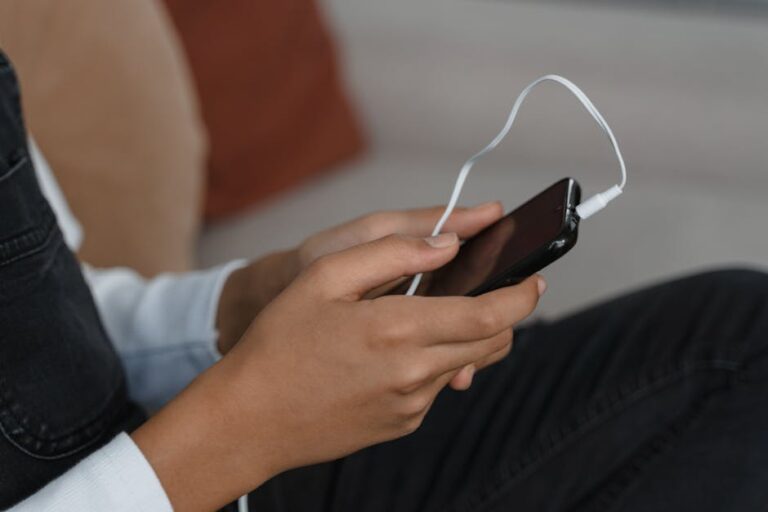
It’s 2026. Your morning commute on the Delhi Metro isn’t just about reaching work; it’s a multi-tasking symphony. From checking the latest cricket scores to managing your smart home devices and even making a quick payment via UPI, your smartphone is the maestro conducting it all. This isn’t science fiction; it’s our everyday reality, a testament to the relentless evolution of mobile technology.
Quick Summary
Recommended Smartphones Picks
Realme 12x 5G
- 45W SuperVOOC Fast Charging
- 50MP AI Camera for clear shots
- 5000mAh Long-lasting Battery
Price: ₹14,999
Samsung Galaxy M15 5G
- Massive 6000mAh Battery
- Vibrant Super AMOLED Display
- 4 Years of OS Updates Commitment
Price: ₹14,799
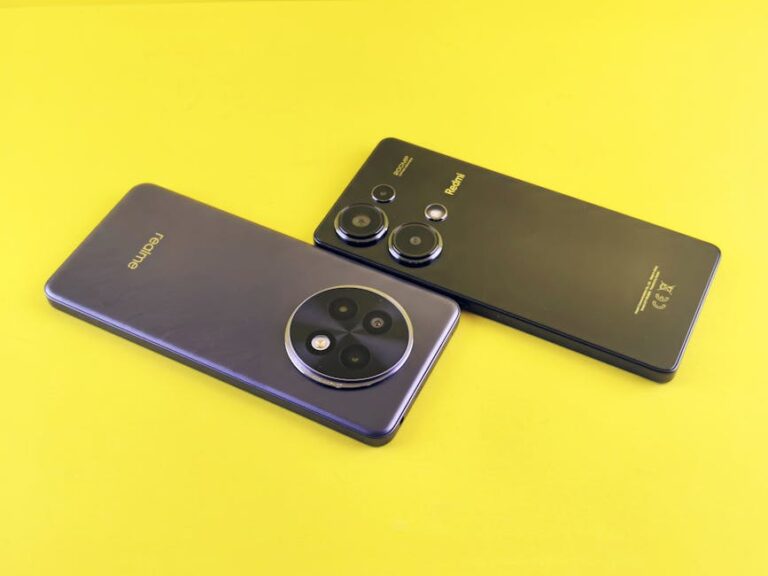
Redmi Note 13 5G
- 108MP Pro-grade Camera System
- Immersive AMOLED Display
- IP54 Splash & Dust Resistant
Price: ₹16,999
- AI integration is revolutionizing user experience, moving beyond mere features to truly intelligent assistance.
- Foldable phones are shifting from niche luxury to a more accessible, albeit premium, segment.
- The sub-INR 25,000 segment continues to drive volume, now with sophisticated 5G capabilities.
- Sustainability and repairability are becoming key considerations for Indian consumers.
- India’s market growth is propelled by an increasing demand for powerful, value-for-money devices.
The Smart Evolution: AI Takes Center Stage
In 2026, Artificial Intelligence isn’t just a buzzword; it’s the invisible force powering our devices. Forget basic voice assistants; we’re talking about smartphones that truly understand context, predict your needs, and intelligently manage your digital life. From automatically optimizing your device’s performance based on your usage patterns to providing hyper-personalized recommendations across apps, AI is deeply embedded.
As noted by Android Authority earlier this year, AI integration is no longer a gimmick but the core differentiator. We’re seeing chipsets specifically designed for on-device AI processing, allowing for instantaneous language translation, advanced photo and video editing capabilities, and even proactive health monitoring without relying solely on cloud servers. This local processing makes our data more secure and our devices smarter, even offline.
Foldables: From Novelty to Necessity?
Remember when foldable phones felt like an exotic concept for tech enthusiasts? Fast forward to 2026, and while still a premium offering, they’re no longer a rare sight. Improved hinge durability, thinner designs, and more refined software experiences have made them a viable option for a growing segment of Indian consumers. Prices, while high, have become more competitive, with several brands now offering flip and fold models across different premium tiers.
For many, particularly professionals or content creators, the ability to switch between a compact phone and a tablet-sized screen on the go has become invaluable. Whether it’s for reviewing documents, watching movies on a train journey, or multitasking with multiple apps simultaneously, foldables are carving out a significant niche, challenging traditional tablet sales in the process.
The Mid-Range Powerhouse: India’s Growth Engine
While the flagships grab headlines, the heart of the Indian smartphone market in 2026 beats strongly in the mid-range. The sub-INR 25,000 to INR 35,000 segment is a battleground of innovation, offering an incredible bang for your buck. Consumers no longer need to splurge on top-tier devices to get features like excellent multi-camera setups, vibrant AMOLED displays, fast charging capabilities, and robust 5G connectivity.
Industry reports from Gadgets360 consistently highlight this category as the primary growth driver, fueled by aspirational buyers seeking premium experiences without the premium price tag. Brands are fiercely competing to offer the best processors, software support commitments, and even unique AI features, making this segment incredibly exciting for the value-conscious Indian buyer.
Sustainability and the Conscious Consumer
The conversation around e-waste and environmental impact has matured significantly. In 2026, Indian consumers are increasingly conscious of their tech footprint. This translates into a growing demand for devices that are built to last, offer longer software update cycles, and are easier to repair. Brands that prioritize recycled materials in manufacturing or provide transparent repairability scores are gaining favor.
Longer warranty periods and readily available spare parts are becoming crucial selling points. The disposable tech culture is slowly giving way to a more thoughtful approach, where the longevity and environmental responsibility of a device factor into the purchase decision.
Pros & Cons of the 2026 Smartphone Market
- Pros:
- Unprecedented AI integration for truly smart, personalized experiences.
- Diverse form factors, including increasingly refined and accessible foldable options.
- Flagship-level features like advanced cameras and powerful processors are common in the mid-range.
- Widespread and reliable 5G connectivity, even in budget segments.
- Growing focus on software longevity and security updates.
- Cons:
- Market saturation leads to choice paralysis for many consumers.
- Incremental innovation often overshadows truly revolutionary advancements in non-premium segments.
- Premium devices, especially foldables, remain a significant investment.
- Despite advancements, battery anxiety persists with demanding AI features and high refresh rate displays.
- E-waste generation remains a challenge, even with sustainability efforts.
Navigating the Choices: Your 2026 Buying Guide
With so many excellent options, choosing your next smartphone can feel daunting. Here’s what to consider:
- Prioritize AI Capabilities: Look beyond raw specs. How seamlessly does the AI integrate into your daily tasks? Does it offer genuinely useful personalization and efficiency gains?
- Future-Proofing is Key: Ensure your device has robust 5G support and a manufacturer’s commitment to at least 3-4 years of software and security updates. This extends the life of your investment.
- Durability and Repairability: Especially if you’re eyeing a foldable, check reviews for hinge longevity and screen resilience. For any phone, consider how easy it is to get repairs and access spare parts.
- Battery Life vs. Fast Charging: If you’re a heavy user, prioritize larger battery capacities. For moderate users, super-fast charging might be sufficient to top up quickly.
- Ecosystem Integration: If you own smartwatches, tablets, or other smart home devices, consider how well a new phone integrates with your existing tech ecosystem.
Are foldable phones durable enough for daily Indian use?
Yes, newer foldable designs in 2026 have significantly improved hinge mechanisms and screen resilience. While still requiring a bit more care than traditional slabs, they are increasingly robust for everyday use, though extreme dusty or wet conditions still demand caution. Many brands now offer enhanced warranty programs specifically for their foldable devices, addressing earlier consumer concerns.
What’s the most important feature to look for in a mid-range phone in 2026?
Beyond raw specifications, prioritize a phone with strong AI integration for an intelligent user experience, a future-proof 5G modem, and a commitment to at least 3-4 years of software updates. A capable camera system that performs well in varied Indian lighting conditions and decent all-day battery life are also crucial for a satisfying experience.
Is it worth upgrading to a new smartphone every year in 2026?
For most users, yearly upgrades offer diminishing returns. The pace of truly revolutionary innovation has slowed, with many advancements being iterative. A 2-3 year upgrade cycle is more practical, allowing you to experience significant leaps in technology, especially with longer software support now becoming standard across many brands.
How is sustainability impacting smartphone choices in India?
A growing number of Indian consumers are considering a brand’s environmental footprint. Look for phones made with recycled materials, offering easy repairability, and promising extended software support. This not only reduces e-waste but also often means a more durable device in the long run, aligning with a more conscious consumption mindset.
Final Thoughts
The Indian smartphone market in 2026 is a vibrant, dynamic arena, continually pushing the boundaries of what’s possible in our pockets. It’s not just about owning a device; it’s about wielding a personal assistant, a communication hub, and an entertainment portal, all rolled into one. As innovation marches on, the power remains with the informed consumer to choose a device that truly enhances their digital life, balancing cutting-edge features with practical needs and conscious choices. The future of mobile tech in India looks smarter, more diverse, and more integrated than ever before.
Looking for more? Explore our smartphone deals section.
About the Author