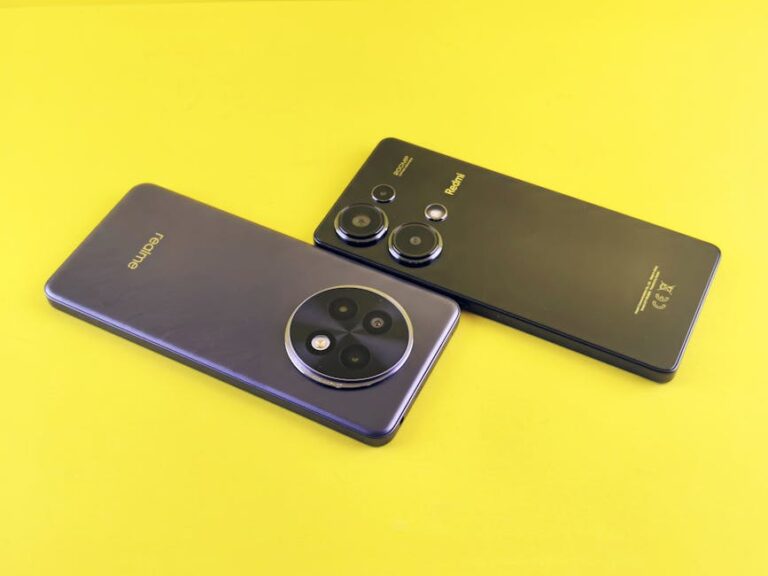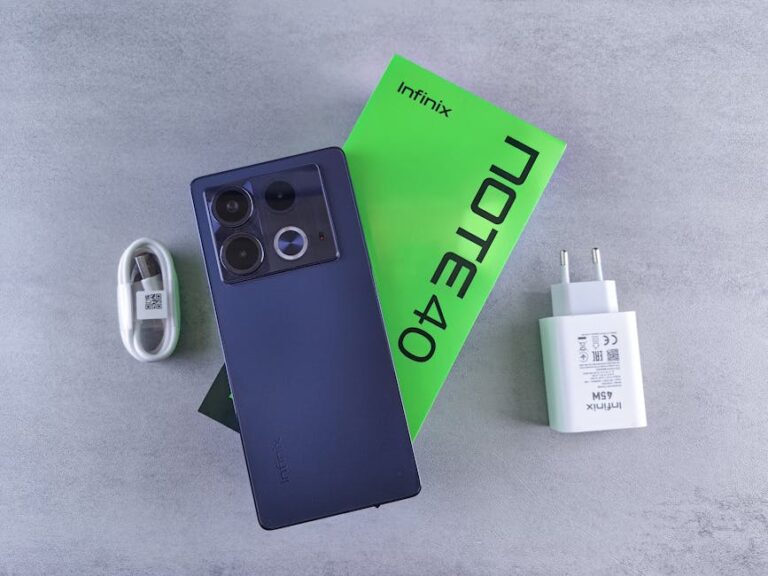

The year is 2025. Take a moment to look around you. Chances are, almost every second person you see, from the bustling streets of Mumbai to the serene backwaters of Kerala, is probably glued to a rectangle of glass and metal – their smartphone. It’s no longer just a device; it’s our wallet, our entertainment hub, our office, our classroom, and our window to the world. For India, the smartphone revolution has been nothing short of transformative, and as we navigate the mid-point of the decade, its evolution shows no signs of slowing down.
The Ever-Evolving Companion: Smartphones in India 2025
Recommended Smartphones Picks
Redmi Note 15 Pro 5G
- Features a powerful AI-enhanced 108MP Quad Camera system for stunning photos.
- Equipped with a large 5000mAh battery and 67W Turbo Charging for all-day power.
- Offers a smooth 120Hz AMOLED display and next-gen 5G connectivity.
Price: ₹19,999
Realme 12 Pro 5G
- Boasts an innovative 64MP OIS Triple Camera with AI scene recognition.
- Comes with a massive 5500mAh battery and ultra-fast 80W SuperVOOC Charge.
- Features a vibrant 6.7-inch 120Hz Curved Vision Display and seamless 5G.
Price: ₹18,999
iQOO Z9 Lite 5G
- Includes a dual 50MP AI Camera with advanced low-light photography modes.
- Powered by a robust 5200mAh battery with AI-driven Smart Charging for extended life.
- Delivers blazing-fast 5G performance and an immersive 90Hz Ultra Vision display.
Price: ₹17,499

Remember the days when a phone was just for calls? Fast forward to 2025, and that seems like ancient history. India’s love affair with smartphones has deepened, driven by a unique blend of affordability, cutting-edge technology, and an insatiable appetite for digital services. While market penetration has soared, the focus has shifted from simply owning a smartphone to demanding a smarter, more integrated experience. We’re seeing a fascinating interplay between global tech giants and homegrown brands vying for a slice of this dynamic pie, constantly pushing boundaries in features, design, and most importantly, value for money – a crucial factor for the Indian consumer.
AI: The Invisible Brain Behind Every Tap
Artificial Intelligence isn’t a futuristic concept anymore; it’s the silent workhorse inside our pockets. In 2025, AI is deeply embedded in almost every aspect of our smartphone experience. From computational photography that turns every amateur into a pro, to predictive text that anticipates your thoughts, and battery management systems that learn your usage patterns for optimal longevity – AI is everywhere. Your phone’s personal assistant is now more intuitive, handling complex multi-step commands and even offering proactive suggestions based on your calendar and location. We’re talking about AI-powered noise cancellation during calls that adapt to your environment, or smart charging that extends your battery health over years. This isn’t just about cool features; it’s about making our devices genuinely smarter and more helpful without us even realizing the complex algorithms at play.
5G Maturing, and the Road to 6G

By 2025, 5G connectivity is no longer a premium novelty but a widespread reality across major Indian cities and rapidly expanding into Tier 2 and Tier 3 towns. This robust network has unlocked new possibilities, making cloud gaming seamless, enabling advanced augmented reality (AR) applications for education and shopping, and facilitating lightning-fast downloads. The era of buffering is largely behind us. However, the tech world never stands still. Discussions around 6G have already begun, promising even lower latency, greater bandwidth, and truly immersive digital experiences that will blur the lines between the physical and virtual worlds. While commercial 6G is still a few years away, 2025 is laying the groundwork, with smartphone manufacturers already integrating advanced modems capable of adapting to future network evolutions.
Foldables & Form Factors: Beyond the Rectangle
The conventional candy bar design has dominated for decades, but 2025 sees foldables making a more significant, albeit still niche, impact in the Indian market. While still premium, prices have become slightly more accessible, and durability concerns have largely been addressed. Brands like Samsung, OnePlus (with their foldable entries), and even some Indian players are exploring this innovative form factor. The appeal lies in the ability to have a compact phone that unfolds into a tablet-sized screen, perfect for content consumption or multitasking on the go. Beyond foldables, we’re seeing experiments with rollable screens and even modular designs that allow users to customize their device’s functionality, though these are still largely in the experimental phase. The Indian consumer, always keen on value, is slowly but surely embracing these new designs as their practical utility becomes clearer.
Sustainability & Repairability: A Growing Conscience
With millions of smartphones sold annually, the environmental footprint is immense. By 2025, there’s a noticeable shift towards sustainability. Indian consumers are becoming more aware of e-waste and demanding longer-lasting, more repairable devices. Manufacturers are responding by using recycled materials, offering extended software support, and making parts more accessible for repairs. Initiatives like “right to repair” are gaining traction, pushing brands to provide repair manuals and spare parts more readily. This isn’t just a global trend; it’s a growing sentiment in India, where consumers are increasingly conscious of their purchasing decisions’ broader impact. According to a recent report by **NDTV Gadgets**, consumer interest in sustainable tech has seen a significant uptick, particularly among younger demographics in urban centers.
The Budget Beast vs. Flagship Feats
India’s smartphone market remains incredibly diverse. While flagships from Apple, Samsung, and Google continue to push the boundaries of innovation, the true battleground is in the budget and mid-range segments. Brands like Xiaomi, Realme, and Vivo continue to dominate here, offering incredible features – high refresh rate displays, multi-camera setups, and fast charging – at prices that don’t break the bank. The Indian consumer is savvy, always looking for the best specifications per rupee. This intense competition has driven innovation across all price points, ensuring that even budget phones in 2025 offer an experience that rivals last year’s flagships. As noted by **TechCrunch** in a recent market analysis, the Indian smartphone market’s growth continues to be fueled by robust demand in the sub-$300 category, even as premium segment demand stabilizes.
Final Thoughts: The Smartphone – A Harbinger of India’s Digital Future
In 2025, the smartphone is more than just a communication device; it’s a critical enabler of India’s digital future. From driving the UPI payment revolution to powering e-commerce in remote villages and serving as the primary device for entertainment and education, its impact is profound and ever-expanding. As technology continues its relentless march forward, we can expect even more intelligent, intuitive, and integrated experiences from our pocket companions. The journey of the smartphone in India is a testament to innovation, adaptation, and the incredible power of connectivity to transform lives. It’s exciting to imagine what the next few years will bring, but one thing is certain: our smartphones will be right there with us, evolving every step of the way.
Looking for more? Explore our tech guides section.
About the Author