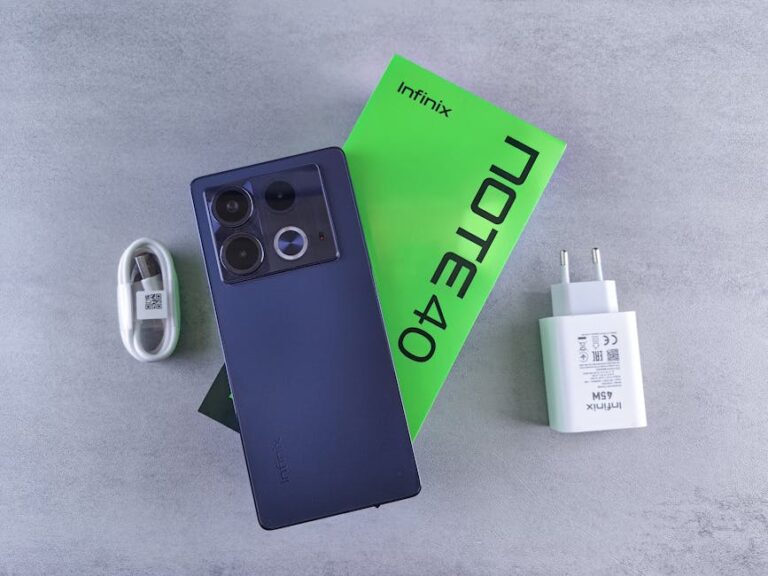

The Unseen Power: How Reviews Will Shape India’s Tech Landscape in 2025

In the bustling digital marketplaces of India, where millions of transactions occur daily, one element consistently stands as a silent gatekeeper to purchase decisions: the review. From choosing the latest smartphone to subscribing to a new streaming service, or even selecting a SaaS product for a startup, online reviews have become an indispensable part of the Indian consumer journey. As we step into 2025, the influence of these digital endorsements is not just growing; it’s evolving dramatically, driven by technological advancements and a more discerning consumer base. For businesses and consumers alike, understanding this dynamic landscape of reviews in India will be crucial for navigating the future.
The Undeniable Influence of Online Reviews in Digital India

India’s digital revolution has ushered in an era where information is abundant, and choice is overwhelming. With over 800 million internet users, the average Indian consumer is savvier and more connected than ever before. Studies consistently show that a significant majority of Indian shoppers – well over 85% – consult online reviews before making a purchase. This isn’t just about price comparison; it’s about seeking social proof, validation, and a glimpse into real-world experiences. For tech products especially, where specifications can be complex and promises lofty, peer reviews offer a much-needed layer of transparency and trust.
What was once a word-of-mouth tradition has seamlessly transitioned into the digital realm, amplified by platforms like Amazon, Flipkart, Google Reviews, and various niche tech forums. This reliance on online feedback is deeply embedded in the Indian psyche, where community opinion often holds significant sway. In 2025, this trend will only intensify, making review management a core pillar of any successful tech brand’s strategy in India.
Key Trends Shaping India’s Review Ecosystem in 2025

The evolution of reviews is not static; it’s a living, breathing entity shaped by technology and consumer behaviour. By 2025, several key trends will redefine how reviews are generated, consumed, and trusted in India.
**AI and ML for Authenticity:** The battle against fake reviews is a persistent one. In 2025, we’ll see a significant leap in the deployment of Artificial Intelligence (AI) and Machine Learning (ML) algorithms to identify, filter, and even summarize reviews. Platforms will use AI to detect suspicious patterns, analyse sentiment, and provide ‘review highlights’ that distill key pros and cons, making it easier for consumers to quickly grasp the essence of feedback. This will be critical for building consumer trust in India.
**Video Reviews Ascendant:** India is a visual nation, and the explosion of short-form video content (think YouTube Shorts, Instagram Reels) will spill over into the review space. Expect a surge in authentic, user-generated video reviews showcasing product unboxings, hands-on usage, and real-time demonstrations. These visual testimonials will offer a level of detail and credibility that text-based reviews sometimes lack, especially for gadgets and tech services.
**Hyper-Personalization & Vernacular Reviews:** As AI matures, review platforms will offer increasingly personalized review experiences, curating feedback most relevant to an individual’s past purchases, demographics, and stated preferences. Furthermore, to cater to India’s linguistic diversity and penetrate Tier 2 and Tier 3 cities, the availability and prominence of vernacular reviews (in Hindi, Tamil, Telugu, Marathi, etc.) will be paramount, driven by advanced translation tools and local content creation.
Combatting the Menace of Fake Reviews and Boosting Trust
The digital landscape, while offering immense opportunities, also presents challenges. Fake reviews remain a significant concern in India, eroding consumer confidence and distorting genuine market sentiment. In 2025, the fight against these deceptive practices will intensify on multiple fronts.
Government bodies like the Bureau of Indian Standards (BIS) have already introduced guidelines for online reviews, pushing for greater transparency and accountability. Platforms, too, will invest heavily in more robust verification processes, perhaps requiring stronger identification for reviewers or integrating ‘verified purchase’ badges more prominently. Consumers will also become more adept at spotting suspicious patterns – overly positive language, generic reviews, or an unusual number of reviews in a short period. The focus will shift towards fostering an ecosystem where authentic feedback is incentivized and rewarded, further bolstering consumer trust in online reviews across India.
The Role of Tech Brands and Platforms in Fostering Genuine Feedback
For tech brands operating in India, proactively engaging with the review ecosystem will be non-negotiable. This involves more than just collecting star ratings; it’s about fostering a community. Brands will increasingly implement strategies to encourage genuine feedback, such as post-purchase surveys, loyalty programs that reward detailed reviews, and active engagement with both positive and negative comments. Responding to critical reviews constructively can turn a negative experience into a testament to excellent customer service, significantly boosting brand reputation.
Platforms, on their part, will continue refining their moderation policies, ensuring a fair and transparent system for both reviewers and businesses. Tools that help brands analyze review data, identify common pain points, and iterate on their products or services based on user feedback will become standard, creating a virtuous cycle of improvement and customer satisfaction.
What Consumers Should Look For: Navigating Reviews in 2025
As the review landscape evolves, so too must the savvy Indian consumer. In 2025, simply glancing at the star rating won’t suffice. Consumers should adopt a more critical approach:
* **Look Beyond the Stars:** Read a mix of positive and negative detailed reviews to get a balanced perspective.
* **Prioritize “Verified Purchase” Tags:** These indicate the reviewer actually bought the product.
* **Check Reviewer History:** See if the reviewer has a consistent pattern or is a one-time contributor.
* **Seek Diverse Sources:** Don’t rely on a single platform. Compare reviews across e-commerce sites, tech blogs, and social media.
* **Focus on Specifics:** Look for reviews that detail *why* a product is good or bad, rather than just vague statements.
* **Embrace Video:** Utilise video reviews for a more immersive and trustworthy perspective on product usage.
Conclusion
By 2025, reviews will cement their position as the bedrock of consumer trust and informed decision-making in India’s booming digital economy. While challenges like fake reviews persist, advancements in AI, the rise of visual content, and increased regulatory focus will pave the way for a more authentic, transparent, and personalized review experience. For both tech brands striving to connect with their audience and consumers seeking value and reliability, understanding and actively participating in this evolving review ecosystem will be paramount to success in the vibrant Indian marketplace. The power of a good review will truly be the unseen hand guiding India’s digital future.
About the Author