

AI & Innovation: India’s Transformative Leap by 2025
India stands on the cusp of an unprecedented technological revolution. From bustling metropolitan hubs to burgeoning tier-2 cities, the echoes of digital transformation resonate louder than ever. While software services and IT exports have long been our nation’s pride, a new frontier is rapidly taking shape: Artificial Intelligence. By 2025, AI is not just set to be a buzzword but the very engine driving India’s innovation ecosystem, redefining industries, creating opportunities, and propelling us onto the global stage. This isn’t merely about adopting technology; it’s about innovating with it, for Bharat, by Bharat.
The Unstoppable Ascent: India’s AI Ambition in 2025
India’s journey towards becoming an AI powerhouse is accelerating at a breakneck pace. Fuelled by a massive digital consumer base, an abundance of data, and a rapidly expanding talent pool, the conditions are ripe for AI to flourish. Government initiatives like “Digital India,” “Make in India,” and the “National AI Strategy” by NITI Aayog have laid a strong foundation, encouraging research, development, and deployment of AI solutions across various sectors. By 2025, we anticipate AI contributing significantly to our GDP, fostering inclusive growth, and addressing some of our most pressing societal challenges. India isn’t just a market for AI; it’s becoming a hub for AI innovation, developing indigenous solutions tailored to its unique needs and scale.
Powering Progress: Key Sectors Embracing AI

The widespread application of AI is transforming traditional sectors, making them more efficient, intelligent, and accessible. In 2025, we’ll see even deeper integration:
Healthcare: AI is revolutionizing diagnostics, drug discovery, and personalized treatment. From AI-powered image analysis for early disease detection in remote areas to predictive analytics for managing epidemics, AI promises more affordable and accessible healthcare for all. Telemedicine, bolstered by AI, will bridge the urban-rural divide, making specialist consultations available at one’s fingertips.
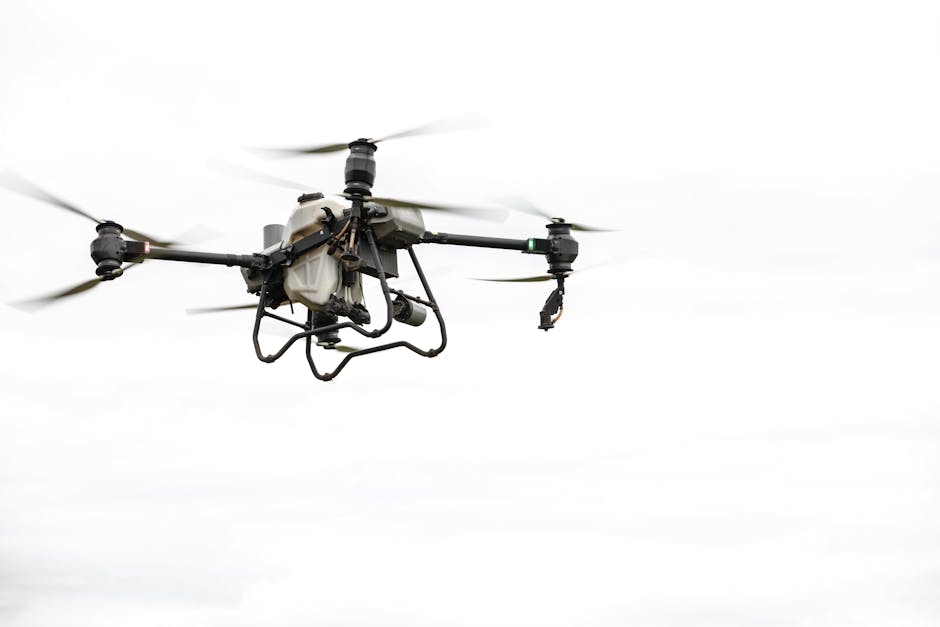
Agriculture: Given that a significant portion of our population relies on agriculture, AI’s impact here is monumental. Precision farming, crop yield prediction, pest and disease detection through drone imagery and AI analytics, and optimized irrigation systems are leading to higher productivity and reduced waste. AI-driven solutions are empowering farmers with real-time data and actionable insights, fostering sustainable and profitable farming practices.
FinTech: India’s booming FinTech sector is a prime ground for AI innovation. Fraud detection, personalized banking services, credit scoring for underserved populations, and automated customer support are becoming commonplace. AI is enabling financial inclusion, making banking services more efficient and secure for millions, from large corporations to small merchants and rural customers.
Education: Personalized learning pathways, intelligent tutoring systems, and administrative automation are making education more effective and adaptive. AI is helping identify learning gaps and tailoring content to individual student needs, a crucial step in skilling India’s vast youth demographic for the future.
India’s Innovation Engine: Startups and R&D

The vibrant Indian startup ecosystem is at the forefront of AI innovation. Cities like Bengaluru, Hyderabad, Pune, Chennai, and Delhi-NCR are bustling with AI-focused startups, attracting significant venture capital investments. These nimble companies are developing groundbreaking solutions, from advanced natural language processing in multiple Indian languages to cutting-edge robotics and computer vision applications. Furthermore, major corporations and global tech giants have established their R&D centers in India, leveraging our talent to build world-class AI products. Collaborations between academia, industry, and government are fostering a robust environment for fundamental and applied AI research, positioning India as a global leader in AI development rather than just an adopter.
Nurturing the Talent Pool: Skilling for the AI Era
India’s demographic dividend, coupled with its strong foundation in engineering and technology, presents a unique advantage. However, to fully capitalize on the AI revolution by 2025, continuous upskilling and reskilling are paramount. Educational institutions are integrating AI and Machine Learning into their curricula, while government programs and private ed-tech platforms are offering specialized courses to equip the workforce with necessary AI competencies. Focus areas include data science, machine learning engineering, AI ethics, and domain-specific AI applications. This strategic investment in human capital is crucial for India to not only meet its own AI demands but also to emerge as a global talent hub for AI expertise.
Navigating the Ethical Compass & Policy Framework
As AI’s influence grows, so does the discussion around its responsible deployment. By 2025, India will continue to actively engage in developing robust policy frameworks concerning data privacy, algorithmic bias, and ethical AI development. The goal is to ensure that AI serves humanity responsibly, promoting fairness, transparency, and accountability. Initiatives like “Responsible AI for All” emphasize building inclusive AI systems that do not perpetuate societal biases and contribute positively to job creation and economic equity. India’s approach aims to balance innovation with ethical considerations, ensuring AI’s transformative power benefits every citizen.
The year 2025 marks a pivotal chapter in India’s AI journey. From agricultural fields to hospital wards, and from financial institutions to educational platforms, AI is set to be the catalyst for unprecedented innovation and growth. India’s unique blend of demographic strength, digital adoption, and a burgeoning entrepreneurial spirit positions it perfectly to not just embrace AI but to lead the way in developing inclusive, impactful, and intelligent solutions for the world. The future is intelligent, and India is ready to build it.
About the Author