
India’s Smartphone Horizon 2025: Beyond the Gimmicks
Recommended Smartphones Picks
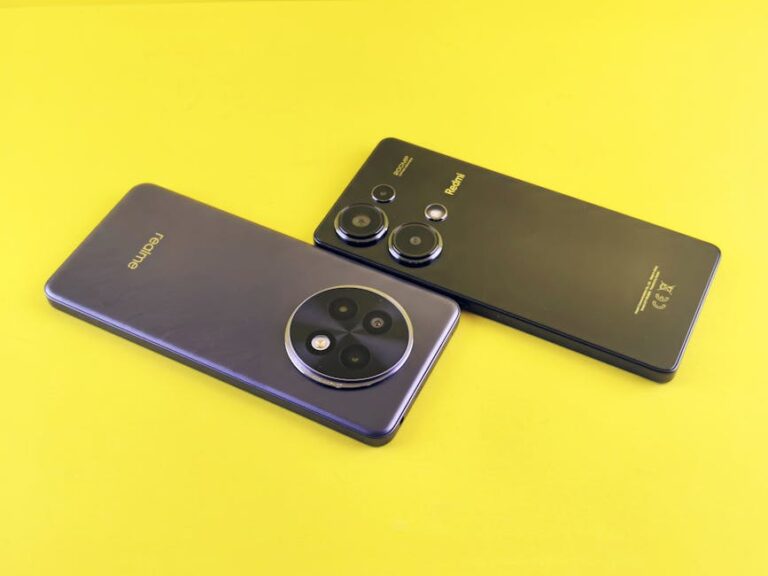
Redmi Note 13 5G
- Vibrant 120Hz AMOLED display for immersive viewing
- Large 5000mAh battery with 33W fast charging
- 108MP AI triple camera for detailed and clear photos
Price: ₹17,999
Realme 12 5G
- Stylish design with a powerful 108MP portrait camera
- Long-lasting 5000mAh battery with 45W SUPERVOOC Charge
- Smooth 5G performance for seamless connectivity and gaming
Price: ₹16,999
Samsung Galaxy M34 5G
- Massive 6000mAh battery for extended usage
- 50MP OIS camera for stable and bright shots
- Samsung’s Super AMOLED 120Hz display for vivid colors
Price: ₹16,499

The relentless march of technology in India never ceases to amaze. From bustling metropolitan hubs to remote villages, the smartphone has become an indispensable extension of our lives. But as we hurtle towards 2025, the question isn’t just “what’s next?” but “what will truly matter to the Indian user?” The days of incremental spec bumps are fading; a new era of intelligent, sustainable, and deeply integrated mobile experiences is on the cusp. Let’s peel back the layers and peer into the future of smartphones in India.
The Present Paradox: More Choice, Less Innovation?

Today, the Indian market is a vibrant, often overwhelming, kaleidoscope of choices. Every price segment, from the sub-₹10,000 budget heroes to the ₹1,00,000+ flagships, is fiercely contested. Yet, for many users, a subtle sense of stagnation has crept in. Are we truly seeing groundbreaking innovation, or just iterative improvements wrapped in new marketing? The pain points persist:
- Battery Anxiety: Despite larger capacities, a full day of heavy usage often remains a dream for many. Fast charging helps, but it’s a band-aid, not a cure.
- Software Bloat & Updates: Many affordable phones come laden with pre-installed apps, and consistent, timely software updates are still a privilege, not a standard, especially in the budget segment.
- Durability & Repairability: In a country with diverse environments and usage patterns, device longevity and affordable repairs remain a significant concern for the average consumer.
- Privacy & Security: With increasing digital transactions and personal data stored on phones, robust security features and transparent privacy policies are paramount, yet often overlooked by users.
These challenges aren’t just technical; they reflect a deeper consumer desire for reliability, longevity, and a truly seamless digital life, free from constant worries about their device.
Trend Analysis: What’s Brewing for 2025?

The next couple of years will see several key trends mature and redefine the smartphone experience for Indians:
1. On-Device AI: Beyond the Camera Trick
While AI has powered smartphone cameras for years, 2025 will usher in truly pervasive, on-device AI. Imagine your phone proactively managing notifications based on your schedule, suggesting optimal routes factoring in real-time traffic and your preferences, or even translating live conversations seamlessly without an internet connection. AI will become a personal digital concierge, learning your habits and anticipating your needs, making everyday tasks like managing UPI payments or ordering groceries more intuitive. As Android Authority frequently highlights, the shift from cloud-based AI to powerful on-device processing is critical for privacy and speed.
2. The Rise of Sustainable & Repairable Tech
The ‘use and throw’ culture is slowly giving way to conscious consumerism. Indian buyers, especially the younger demographic, are increasingly aware of environmental impact. Expect brands to lean heavily into sustainable manufacturing (recycled materials), longer software update commitments (5-7 years for flagships), and easier repairability. Modular designs might even see a resurgence, allowing users to replace components like batteries or cameras themselves. This focus on longevity will be a significant selling point, especially in the mid-range segment where value for money includes extended usability.
3. Foldables Go Mainstream (or at least, Mid-Range)
Foldable phones, once an extravagant luxury, are slowly becoming more accessible. By 2025, we could see foldable devices dipping into the ₹50,000-₹70,000 bracket, making them a viable, albeit premium, option for a wider audience. Imagine a compact device that unfolds into a mini-tablet, perfect for consuming content, attending video calls, or managing multiple apps simultaneously – a boon for productivity-focused professionals and entertainment junkies alike. While still niche, their presence will influence design language across the board.
4. Hyper-Personalization & Digital Well-being
Smartphones will adapt to individual users like never before. Dynamic interfaces that change based on context (work vs. leisure), advanced biometrics (vein scanning, behavioral recognition), and robust digital well-being tools will be standard. These tools won’t just track screen time but offer intelligent insights and interventions, helping users maintain a healthier relationship with their devices, a critical need in an increasingly connected India.
5. Seamless Connectivity & Satellite Integration
With 5G penetration steadily growing across India, faster and more reliable connectivity will be a given. But the real game-changer could be the integration of basic satellite connectivity for emergencies, especially crucial in India’s vast and often remote regions. Imagine making an SOS call or sending a text even where cellular networks fail – a feature that could literally be life-saving. NDTV Gadgets 360 often reports on the expanding network infrastructure, and satellite integration is the logical next step for ubiquitous coverage.
Expert Insight: A Shift from Horsepower to Harmony
“In 2025, the smartphone narrative in India will fundamentally shift from raw horsepower to harmonious integration,” says Meera Sharma, a prominent Digital Trends Analyst. “It’s no longer just about the fastest processor or the highest megapixel count. Indian consumers are discerning; they want a device that understands them, lasts longer, and integrates seamlessly into their increasingly digital lives, whether it’s for managing finances via government apps like DigiLocker or enjoying regional content. The budget segment will continue to thrive, but it will be defined by ‘smart’ features trickling down, making advanced AI and improved durability accessible to the masses. Premium phones will differentiate themselves not just with specs, but with unparalleled ecosystem experiences, privacy assurances, and truly innovative form factors. The winners will be those who balance cutting-edge tech with genuine user-centric solutions and a clear commitment to sustainability.”
Conclusion: The Intelligent Companion
The smartphone of 2025 for India won’t be a radically different slab of glass and metal on the surface. Instead, its transformation will be profound, residing within its enhanced intelligence, its extended lifespan, and its deeper understanding of the user. It will be a more intuitive, reliable, and environmentally conscious companion, seamlessly weaving itself into the fabric of our daily routines, empowering us to do more, and connect more meaningfully.
Final Thoughts
As we anticipate these technological leaps, it’s vital to remember that the true measure of innovation isn’t just in what a device can do, but how it empowers human connection, creativity, and well-being. The smartphone of 2025, with its advanced AI and sustainable core, promises to be more than just a tool; it aims to be a silent, intelligent partner, helping us navigate the complexities of modern life with greater ease and purpose. The future isn’t about escaping reality through screens, but about using these intelligent devices to enrich our lived experiences, both online and off.
Looking for more? Explore our budget laptops section.
About the Author