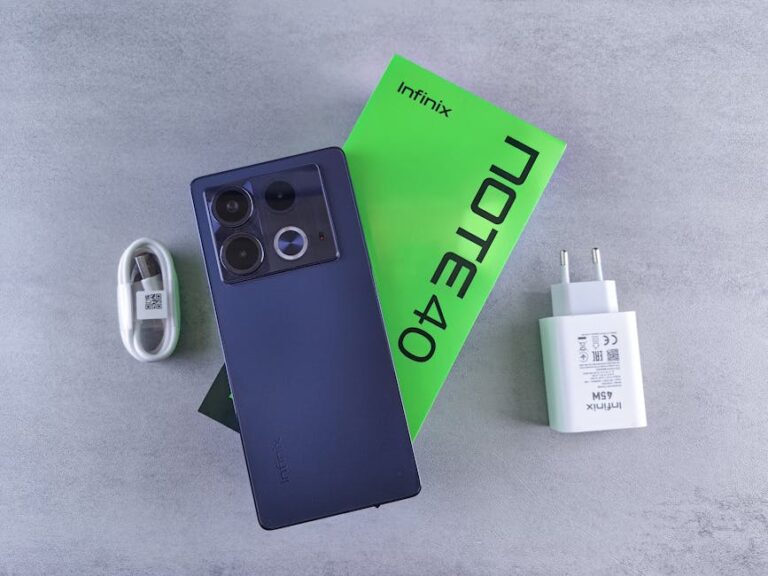

The Dawn of Smart Affordability: Gadgets Under Rs 10,000 in India, 2025
Recommended Gadgets Under Rs 10,000 Picks
Bharat 5G Pro Smartphone
- Optimized Processor for smooth UI & multitasking
- AI-enhanced Camera with computational photography
- 5G Connectivity & 33W Fast Charging
Price: ₹9,499
Verve Pro Smartwatch
- Integrated NFC for UPI payments
- Comprehensive Health Tracking (HR, SpO2, Sleep)
- Multi-day Battery Life & Customizable Watch Faces
Price: ₹4,999
SonicBeat Pro Earbuds
- Active Noise Cancellation (ANC) for immersive sound
- Spatial Audio Lite & Seamless Multi-device Pairing
- Extended Battery Life (up to 30 hours with case)
Price: ₹3,499

The year is 2025. Sunita, a college student in Bengaluru, taps her wristband to confirm her metro fare – a seamless payment powered by her sub-Rs 10,000 smart wearable. Across town, Rohan, a small shop owner in Mumbai, uses his budget smartphone, its AI assistant helping him track daily sales and manage his inventory with remarkable ease. This isn’t science fiction; it’s the everyday reality shaped by an explosion of accessible, intelligent technology. The sub-Rs 10,000 gadget segment, once a realm of compromises, has matured into a surprisingly capable ecosystem, predicting a future where advanced tech is truly democratised for the Indian consumer.
Decoding the Future: What Rs 10,000 Buys You in 2025
Forget the notion that budget means basic. By 2025, the Rs 10,000 ceiling will encompass devices boasting capabilities that would have commanded premium prices just a few years prior. The driving force? Relentless innovation in manufacturing efficiency, AI integration, and fierce competition among brands, particularly in a price-sensitive market like India.
**Smartphones:** While flagship-level performance remains out of reach, budget smartphones in 2025 will be astounding for their price. Expect highly optimised processors (think MediaTek Dimensity 6000 series equivalents or advanced Snapdragon 4 Gen series) delivering smooth UI, competent multi-tasking, and surprisingly good gaming on medium settings. Cameras, though not topping charts, will leverage advanced computational photography and AI scene recognition for consistently decent photos, even in challenging light. Fast charging (33W or more) and 5G connectivity will be standard, making them future-proof communication hubs. As noted by industry analysts, the sub-Rs 10,000 smartphone segment is crucial for market share, pushing manufacturers to pack more value than ever before, as often highlighted by publications like NDTV Gadgets.
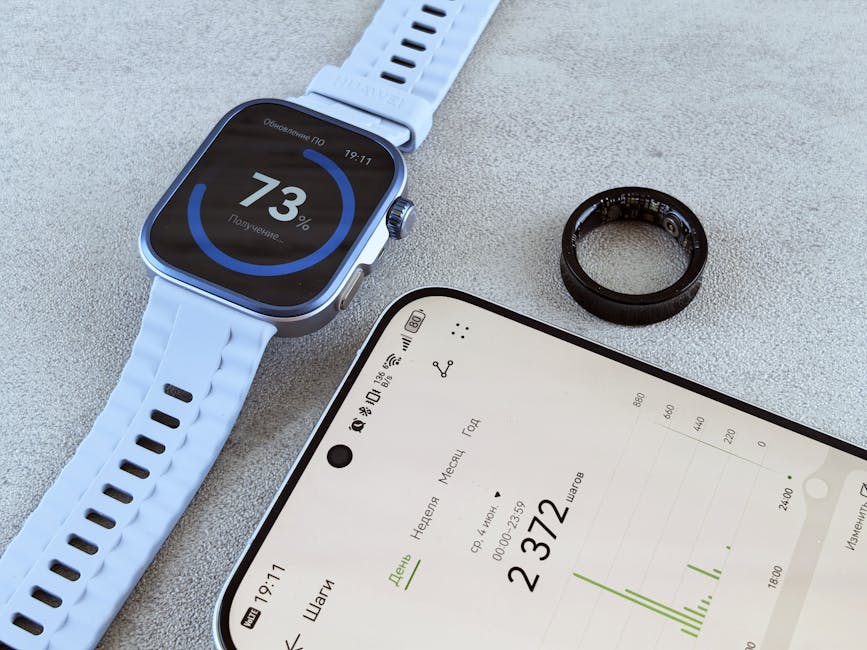
**Wearables & Hearables:** The fitness tracker evolves. For under Rs 10,000, we’ll see smart bands and entry-level smartwatches offering accurate heart rate monitoring, SpO2 tracking, sleep analysis, and even basic stress detection. Integrated NFC for UPI payments will be common, along with multi-day battery life. True Wireless Stereo (TWS) earbuds will also reach new heights, offering improved active noise cancellation (ANC), spatial audio lite versions for immersive sound, and seamless multi-device pairing.
**Smart Home & Others:** The smart home ecosystem will become more accessible. Smart plugs, RGB bulbs, and basic smart speakers with advanced local language support will integrate more smoothly. We might even see entry-level smart displays (without cameras) for under Rs 10,000, acting as central control hubs or digital photo frames. The focus here is on ease of setup and practical utility, moving beyond mere novelty.
Real-World Impact: Gadgets Shaping Indian Lives

These advancements aren’t just spec bumps; they translate into tangible benefits for everyday Indians:
* **For the Student:** A budget smartphone becomes a powerful learning tool, handling online classes, educational apps, and research with ease. A smart band tracks activity and sleep, helping manage academic stress.
* **For the Small Business Owner:** The smartphone doubles as a POS terminal for UPI payments, inventory manager, and marketing tool for social media. A smart speaker helps with hands-free customer queries or plays background music in the shop.
* **For the Homemaker:** Smart bulbs offer energy efficiency and mood lighting, controlled by a voice assistant on a budget smart speaker. A health tracker encourages daily activity, making wellness accessible.
* **For the Gig Worker/Commuter:** Reliable GPS on a budget smartphone, coupled with long-lasting TWS earbuds for calls and entertainment, makes long commutes or delivery routes more efficient and enjoyable. The increasing adoption of 5G, even in budget phones, as reported by Gadgets360, will significantly enhance their connectivity for on-the-go tasks.
The Smart, Affordable Revolution
The trajectory for gadgets under Rs 10,000 in India by 2025 is clear: more intelligence, more integration, and more utility, all without breaking the bank. This segment isn’t just surviving; it’s thriving, pushing the boundaries of what’s possible at an accessible price point.
Final Thoughts
The future of budget tech isn’t about compromise; it’s about intelligent design and resourcefulness. By 2025, a Rs 10,000 gadget will no longer be a mere entry point but a sophisticated, integral part of the digital fabric for millions of Indians, proving that innovation can indeed be both powerful and profoundly democratic.
Looking for more? Explore our AI innovations section.
About the Author