
Published: 2026-01-12 | Updated: 2026-01-12
Remember a time when smartphones were primarily a metro city phenomenon? Fast forward to 2026, and the digital landscape of India has transformed profoundly. From bustling tier-2 cities to the quietest villages, a smartphone is now more than just a device – it’s a gateway.
This isn’t just about connectivity; it’s about empowerment, information, and a seismic shift in how regional India interacts with the world.
Quick Summary
- Regional India is driving the next wave of smartphone adoption, fueled by affordability and vernacular content.
- Key drivers include robust 5G infrastructure, accessible digital payment platforms like UPI, and government e-services.
- Smartphones are becoming indispensable tools for education, commerce, and social connectivity in non-metro areas.
- Buyers in regional markets prioritize battery life, durability, local language support, and a capable camera.
- The trend signifies a massive leap towards a truly digitally inclusive India, but also highlights challenges in digital literacy.
The Digital Leap: How Regional India is Redefining Smartphone Usage
Recommended Smartphones Picks
Redmi Note 13 Pro 5G
- Massive 5000mAh battery with rapid charging support.
- Versatile 108MP AI triple camera system for detailed photos.
- Future-ready 5G connectivity for seamless internet access.
Price: ₹19,499
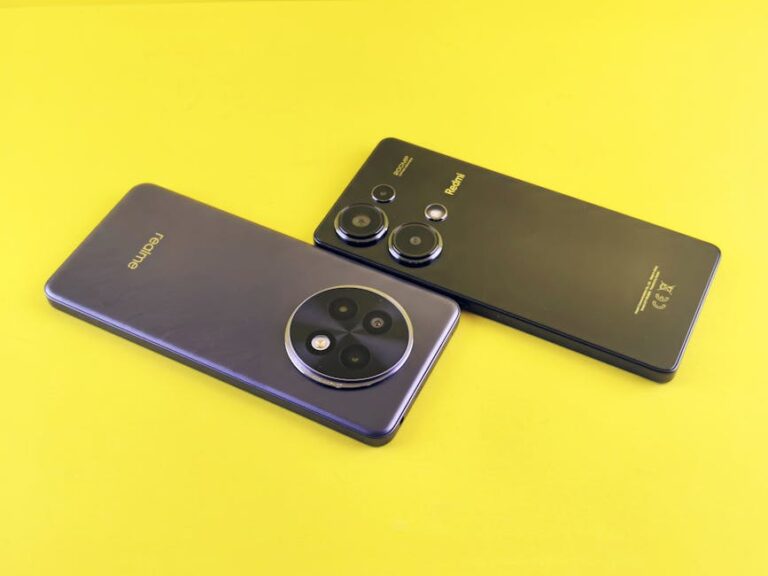
Realme 12 5G
- Long-lasting 5000mAh battery & 33W fast charging.
- Crisp 64MP AI camera for vibrant and clear photos.
- Smooth performance with an efficient 5G processor.
Price: ₹17,999
Samsung Galaxy M35 5G
- Industry-leading 6000mAh battery for extended usage.
- 50MP OIS camera for stable, clear shots even in low light.
- Reliable 5G performance and Samsung’s intuitive One UI.
Price: ₹18,999

Picture this: a small shop owner in Nashik effortlessly accepting payments via UPI, a farmer in rural Punjab checking real-time mandi prices on his device, or a student in Odisha attending online classes, all through the power of their smartphone. This isn’t a futuristic fantasy; it’s the everyday reality of regional India in 2026. The narrative that digital adoption is limited to urban centres has long been debunked, replaced by the exciting story of millions from smaller towns and villages embracing the smartphone revolution with open arms.
What we’re witnessing is a profound societal shift. The smartphone, once a status symbol, is now a fundamental utility. It’s the primary window to the internet for a vast majority, facilitating everything from entertainment and communication to financial transactions and agricultural insights. This widespread adoption is fundamentally reshaping local economies, social structures, and individual opportunities.
Beyond the Metro: What’s Fueling This Revolution?

Several converging factors have propelled this unprecedented digital surge across regional India:
- Affordable 5G/6G Connectivity: The aggressive rollout of 5G, and even early 6G trials in some areas, has brought high-speed, reliable internet within reach for millions. Data plans have become increasingly competitive, making sustained online presence economical.
- Budget-Friendly, Feature-Rich Smartphones: Manufacturers, keenly aware of this burgeoning market, have flooded it with devices offering impressive specifications at aggressive price points. Phones under ₹15,000 today pack features that were premium just a few years ago, making them accessible to a wider demographic.
- The UPI Phenomenon: India’s Unified Payments Interface (UPI) has democratized digital transactions. From street vendors to local kirana stores, accepting payments via QR codes on a smartphone is now commonplace, fostering trust and convenience in digital money.
- Vernacular Content Explosion: The internet is no longer an English-only domain. A tsunami of content in regional languages – from news and entertainment to educational videos and social media platforms – has made the digital world far more inviting and relevant for non-English speakers. Platforms like ShareChat, Moj, and local news apps have seen exponential growth.
- Government Digital Initiatives: Schemes like PM-KISAN, DigiLocker, and various e-health initiatives have pushed digital literacy and smartphone usage by making essential services accessible online, often requiring a smartphone for access.
According to a recent market analysis by Gadgets360, smartphone penetration in India’s tier-2 and tier-3 cities, along with rural areas, has surpassed the 70% mark, indicating robust growth over the past two years. This surge is not just about numbers; it’s about deeper engagement and integration into daily life.
The Regional Digital Divide: Pros & Cons of the Adoption Wave

Pros:
- Economic Empowerment: Small businesses gain wider reach, farmers access better market prices, and individuals find new income streams through online platforms.
- Improved Access to Information: Education, health advisories, government schemes, and news are instantly available, breaking geographical barriers.
- Enhanced Social Connectivity: Families separated by distance can stay connected through video calls and social media, fostering stronger bonds.
- Digital Literacy Growth: Increased usage naturally leads to higher digital literacy rates, preparing the workforce for a digital future.
- Innovation Hub: The unique needs of regional users are prompting developers to create more localized, vernacular-focused applications.
Cons:
- Digital Literacy Gap: While adoption is high, understanding advanced features and cyber safety remains a challenge for many first-time users.
- Infrastructure Disparities: Despite advancements, reliable internet connectivity can still be patchy in very remote areas, impacting user experience.
- Cybersecurity Risks: New users are often more vulnerable to scams, misinformation, and online fraud due to lack of awareness.
- Content Quality and Misinformation: The abundance of vernacular content also means a higher risk of encountering low-quality or fake news.
- Data Privacy Concerns: Many users are unaware of their data rights and privacy settings, making them susceptible to data exploitation.
Navigating the 2026 Market: Your Regional India Smartphone Buying Guide
For someone in regional India looking to buy a smartphone in 2026, the choices are abundant. Here’s what to prioritize:
- Battery Life is King: With often inconsistent power supply in many areas and heavy daily usage, a large battery (5000mAh+) with fast charging is non-negotiable. Look for phones that promise at least a day and a half of typical use.
- Durability Matters: A phone that can withstand daily wear and tear, perhaps a few accidental drops, is crucial. Look for good build quality and, if possible, some level of splash resistance.
- Vernacular Language Support: Ensure the UI, keyboard, and popular apps support your native language seamlessly. Many brands now offer excellent localization.
- Capable Camera: For social media, sharing family moments, or even product photography for a small business, a decent camera (at least 50MP main sensor) with good low-light performance is highly valued.
- Sufficient Storage: With offline content consumption, photos, and videos, 128GB of internal storage should be the minimum, ideally expandable via a microSD card.
- 5G/6G Ready Processor: While budget phones might not have flagship chips, ensure it has a capable processor that handles daily tasks smoothly and is future-proof with 5G connectivity. As Android Authority often emphasizes, a good chip ensures longevity.
- Reliable After-Sales Service: Check for brands with a strong service network in your vicinity. Local support can be a lifesaver if issues arise.
- Price Point: The sweet spot for regional buyers often lies between ₹12,000 and ₹25,000, where you get a good balance of features and value.
FAQs on Regional India’s Smartphone Boom
What is driving the increased smartphone adoption in regional India?
The primary drivers include increasingly affordable smartphones, widespread and competitive 5G connectivity, the massive success of UPI for digital payments, the explosion of vernacular content online, and various government initiatives promoting digital services.
Are regional users prioritizing different smartphone features compared to metro users?
Yes, there are distinct priorities. Regional users often place a higher emphasis on long battery life due to potential power inconsistencies, durability for varied usage environments, robust local language support for ease of use, and a capable camera for social sharing and small business needs, often within a tighter budget.
What challenges does this rapid adoption present?
While beneficial, the rapid adoption also brings challenges such as a persistent digital literacy gap, varying internet infrastructure quality in very remote areas, increased cybersecurity risks for new users, and the potential for misinformation spread due to lack of critical digital evaluation skills.
How is this trend impacting the Indian economy?
The regional smartphone boom is profoundly impacting the Indian economy by fostering financial inclusion through UPI, empowering small businesses with digital tools, improving market access for farmers, creating new job opportunities in the digital ecosystem, and generally boosting productivity and connectivity across various sectors.
Final Thoughts
The story of regional India’s smartphone adoption is far more than a statistic; it’s a testament to aspiration, resilience, and the transformative power of technology when made accessible. As we navigate 2026, the smartphone isn’t just a gadget; it’s an equalizer, bridging gaps and unlocking potential across the vast and diverse tapestry of India. This digital revolution from the heartland is not just shaping the present but laying a robust foundation for a truly connected and empowered future for every Indian.
Looking for more? Explore our AI innovations section.
About the Author