
Published: 2026-02-06 | Updated: 2026-02-06
Remember those days when a smartphone was a luxury, primarily seen in metro cities? Fast forward to 2026, and that sleek device is almost as ubiquitous as a UPI QR code, connecting Bharat in ways we never imagined. But beneath this widespread adoption lies a fascinating tale of two Indias: the bustling urban landscape and the evolving rural heartland.
Quick Summary
Recommended Smartphones Picks
Redmi Note 16 Pro 5G
- Massive 6000mAh battery with 67W fast charging.
- 108MP AI triple camera for vivid photos and videos.
- Next-gen 5G processor for lag-free performance and connectivity.
Price: ₹18,999
Realme 13 Pro 5G
- 5000mAh battery with ultra-fast 80W SuperVOOC charging.
- 64MP OIS camera for stable, clear shots in any light.
- Future-ready 5G connectivity for swift downloads and streaming.
Price: ₹17,499
Samsung Galaxy M38 5G
- Industry-leading 7000mAh battery for multi-day usage.
- 50MP versatile camera with advanced image processing.
- Reliable 5G experience powered by Samsung’s One UI.
Price: ₹19,499

- Smartphone penetration in India continues to surge, driven by affordability and connectivity.
- Urban users prioritize premium features, brand status, and high-speed data for diverse applications.
- Rural adoption focuses on value, durability, basic connectivity, and utility for education and government services.
- The digital divide is shrinking but distinct usage patterns and needs persist across segments.
- Manufacturers are increasingly tailoring devices and marketing strategies for specific Indian demographics.
The year is 2026. India’s digital revolution, powered significantly by smartphones, has entered an exhilarating new phase. From managing local kirana stores via WhatsApp Business to attending online classes in remote villages, these pocket-sized supercomputers have reshaped daily life. Yet, to truly understand India’s smartphone narrative, we must look beyond the gleaming storefronts of Mumbai and Bangalore and into the vibrant lanes of a small-town market or a tranquil agricultural field. The journey of smartphone adoption isn’t uniform; it’s a dynamic interplay of access, aspiration, and utility, particularly when comparing urban and rural users.
The Data Speaks: India’s Smartphone Landscape in 2026

Industry analysts, including insights from reports often highlighted by Gadgets360, confirm that India’s smartphone penetration has surpassed 80% of its eligible population by 2026. This incredible growth is fueled by ever-more affordable devices, widespread 5G rollout, and government initiatives pushing digital literacy. However, while urban centres boast near-saturation, with many users on their second or third upgrade cycle, rural India is still experiencing its first wave of mass adoption. Sub-Rs 10,000 (approximately $120 USD) smartphones, offering robust features and reliable connectivity, are the bedrock of this rural expansion, whereas urban dwellers are increasingly eyeing the Rs 30,000+ segment for advanced camera systems, faster processors, and AI integration.
Urban vs. Rural: A Tale of Two User Bases
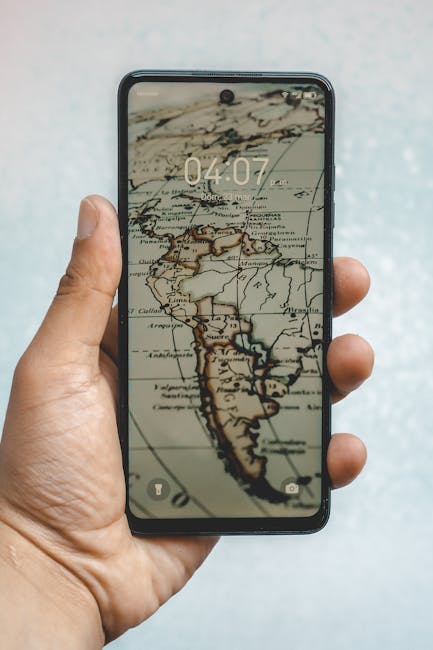
The contrast in smartphone usage and preferences between urban and rural India is stark and fascinating:
Urban User Preferences: The Digital Natives
In cities, smartphones are more than just communication tools; they are extensions of personal and professional lives. Urban users, often digital natives or early adopters, prioritize:
- Premium Features: High-resolution cameras for social media, powerful processors for gaming and multitasking, and seamless integration with smart home ecosystems are paramount.
- Brand Loyalty & Status: There’s a strong inclination towards established brands, often influenced by peer groups and social media trends. Flagship models from Samsung, OnePlus, and Apple continue to dominate mindshare.
- Data Consumption: High-speed 5G is a must for streaming 4K content, cloud gaming, video calls, and complex productivity apps.
- Digital Payments & Services: UPI, mobile banking, investment apps, and e-commerce are deeply ingrained into daily routines.
Rural User Preferences: The Pragmatic Adopters
Rural India’s smartphone journey, while catching up rapidly, is driven by different needs and priorities:
- Value & Durability: The primary focus is on getting the most features for their money, coupled with robust build quality to withstand challenging environments. Long battery life is a non-negotiable.
- Connectivity & Information: Smartphones are crucial for accessing government schemes, agricultural advisories, health information, and connecting with family in distant cities.
- Entertainment & Education: OTT platforms for regional content and educational apps are huge drivers, offering access to resources previously unavailable.
- Basic Digital Services: While UPI is growing, simpler digital transactions and essential communication (voice calls, WhatsApp) remain core functionalities.
- Localised Content: Demand for content and interfaces in regional languages is significant, shaping app development and user experience.
Pros & Cons of This Divided Adoption
- Pros:
- Market Segmentation: Allows manufacturers to innovate specifically for diverse Indian needs, leading to a wider range of tailored products.
- Targeted Development: Governments and NGOs can develop region-specific digital solutions, from agri-tech apps to telemedicine, directly addressing local challenges.
- Economic Empowerment: Smartphones are vital tools for financial inclusion and small business growth in underserved areas.
- Cons:
- Persistent Digital Divide: Despite growth, disparities in access to high-speed internet, digital literacy, and advanced devices can perpetuate inequality.
- Infrastructure Challenges: Ensuring reliable and affordable connectivity across vast rural areas remains a significant hurdle.
- Innovation Lag: Rural users might miss out on advanced features and security updates prevalent in urban markets due to budget constraints.
Frequently Asked Questions
What’s the average price of a smartphone in rural India in 2026?
While prices vary, the sweet spot for rural adoption in 2026 typically hovers between Rs 7,000 to Rs 12,000. This segment offers a good balance of features like decent cameras, long battery life, and 5G connectivity without breaking the bank, as noted by market trackers like NDTV Gadgets 360.
Are rural users adopting 5G as quickly as urban users?
Not quite at the same pace, but 5G adoption is accelerating rapidly in rural areas. The focus is more on the affordability of 5G plans and the availability of budget 5G devices. While urban users seek peak speeds for demanding tasks, rural users value the improved reliability and broader coverage 5G offers for essential communication and content consumption.
How are smartphone manufacturers catering to rural demands?
Manufacturers are focusing on devices with large batteries, robust builds, and pre-loaded regional language support. They’re also partnering with local distributors and offering easy financing options. Brands like Xiaomi and Realme, and increasingly Indian players, are particularly strong in this segment, understanding the value-for-money proposition is key.
What is the biggest challenge in bridging the digital divide in India?
Beyond device affordability, the primary challenge remains ensuring consistent, high-quality internet access across all rural areas. Digital literacy, particularly among older generations, and the availability of relevant, local language content are also crucial factors that need continuous attention to truly bridge the gap.
Final Thoughts
India’s smartphone journey is a vibrant tapestry, woven with threads of innovation, aspiration, and pragmatism. The unique demands of both urban and rural users push manufacturers and service providers to constantly evolve, creating a dynamic market unlike any other. As we move further into 2026 and beyond, the goal isn’t just about getting a device into every hand, but ensuring that every device empowers its user, regardless of their postcode, fostering a truly connected and digitally inclusive Bharat.
Looking for more? Explore our smartphone deals section.
About the Author