
Published: 2026-01-15 | Updated: 2026-01-15
Rohan, sipping his cold brew in a bustling Bengaluru cafe, effortlessly toggled between his sleek, AI-powered ultraportable laptop for a complex coding project and his smartwatch for notifications. Meanwhile, hundreds of kilometers away in a quaint Rajasthani village, young Leela proudly showed her family the agriculture tips she learned on her sturdy, budget-friendly tablet, connected via a newly installed community Wi-Fi hotspot. Both are part of India’s digital story in 2026, yet their tech worlds couldn’t be more distinct.
This tale isn’t just about two individuals; it’s a microcosm of India’s evolving digital landscape. Our nation is a land of incredible contrasts, and nowhere is this more apparent than in how technology, particularly laptops and PCs, integrates into urban and rural lives.
Quick Summary: India’s Digital Divide in 2026
Recommended Laptops & PCs Picks
Lenovo IdeaPad Slim 3
- Sleek and lightweight design, ideal for portability.
- Efficient performance for academic tasks and browsing.
- Long-lasting battery to support extended study sessions.
Price: ₹35,990
HP 15s
- Reliable performance for daily student workloads.
- Comfortable keyboard for extensive typing and assignments.
- Durable build quality suitable for everyday student use.
Price: ₹37,490
Acer Aspire 3
- Great value for money with essential student features.
- Clear display for online learning and multimedia content.
- Ample connectivity options for peripherals and accessories.
Price: ₹33,990
- Urban India thrives on high-performance laptops and specialized PCs for work, gaming, and creative pursuits.
- Rural India increasingly adopts affordable tablets and smartphones as primary computing devices, driven by accessibility and cost.
- 5G connectivity is rapidly bridging the internet access gap, especially in Tier 2 and Tier 3 cities and larger villages.
- Government initiatives and local language content are key drivers for digital literacy and adoption in underserved areas.
- The market sees a growing demand for durable, power-efficient, and budget-friendly devices for rural users, contrasting with urban premium segments.
The Urban Tech Landscape in 2026

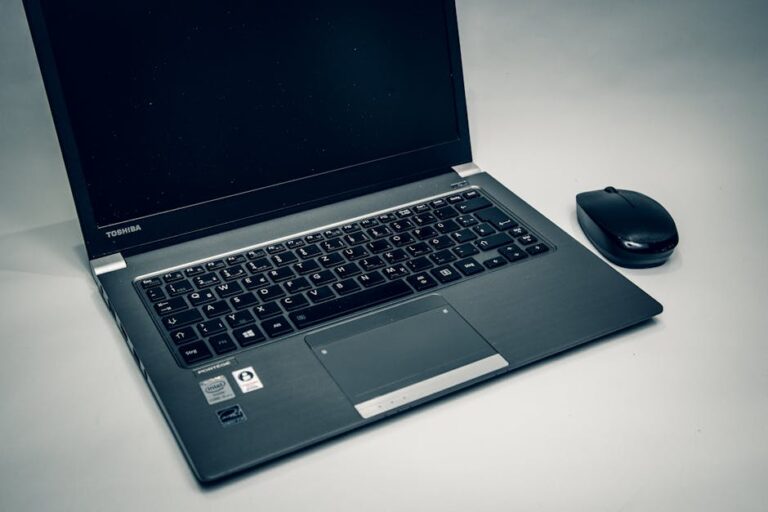
Walk into any metro city like Mumbai, Delhi, or Hyderabad in 2026, and you’ll find a tech ecosystem buzzing with innovation. Urban professionals and students are gravitating towards cutting-edge laptops equipped with the latest processors, dedicated graphics cards, and extensive RAM, often for demanding tasks like AI development, graphic design, and high-fidelity gaming. The work-from-anywhere culture has solidified the demand for lightweight, powerful ultrabooks with excellent battery life and robust security features.
Brands like Apple, Dell, HP, and Lenovo continue to dominate the premium segment, offering devices integrated with AI co-processors and advanced security protocols. According to insights from Gadgets360, the average urban Indian consumer in 2026 prioritizes seamless multi-tasking and premium build quality, often willing to invest upwards of ₹70,000 for a primary computing device. Esports and content creation are also significant drivers, fueling the market for specialized gaming PCs and high-end workstations.
Rural India’s Digital Leap

The narrative in rural India is one of rapid transformation and pragmatic adoption. While traditional desktop PCs and high-end laptops remain a luxury for many, the proliferation of affordable tablets and powerful smartphones has brought computing power to millions. These devices serve as gateways to education, e-governance services, digital payments, and agricultural information.
The BharatNet project and private telecom expansions have significantly boosted internet penetration. NDTV Gadgets has highlighted the rise of sub-₹15,000 tablets and large-screen smartphones as essential tools for rural entrepreneurs and students. These devices are valued for their durability, long battery life, and ease of use, often supporting multiple regional languages. Many rural users utilize these handheld devices for tasks that urban counterparts might use a laptop for, such as accessing online courses, managing small businesses, or even telemedicine consultations.
Bridging the Divide: What’s Next?
The gap between urban and rural tech adoption is narrowing, but challenges persist. Power stability, digital literacy, and the availability of relevant local language content are crucial areas for continued focus. Government initiatives like “Digital India” are pushing for greater connectivity and skill development, ensuring that the benefits of technology reach every corner. We’re also seeing a rise in “phygital” (physical + digital) solutions, where community centers provide shared access to more advanced computing resources, coupled with digital training.
Pros & Cons of Tech Disparity
- Pros:
- Targeted Innovation: Device manufacturers are pushed to create both high-end and ultra-affordable, durable solutions.
- Economic Growth: Digital literacy in rural areas unlocks new opportunities, driving local economies.
- Improved Services: E-governance and digital health services become accessible to more people.
- Cultural Preservation: Local language content creation flourishes, strengthening regional identities online.
- Cons:
- Widening Knowledge Gap: Unequal access to advanced tools can create a skill disparity.
- Infrastructure Strain: Rapid adoption in rural areas can strain power grids and repair services.
- Cybersecurity Risks: Less tech-savvy users are often more vulnerable to online threats.
- Cost Barrier: Even affordable devices can be a significant investment for low-income households, despite subsidies.
Frequently Asked Questions (FAQ)
What is the most popular computing device in rural India in 2026?
In 2026, powerful smartphones and affordable tablets (often in the ₹8,000-₹15,000 range) are the primary computing devices in rural India, valued for their portability, cost-effectiveness, and ease of use for tasks like online learning and digital payments.
How is 5G impacting tech adoption in India?
5G is a game-changer, especially for rural and semi-urban areas. It provides high-speed, reliable internet access where fiber optics might not reach, enabling seamless streaming, online education, and access to cloud-based services on devices that previously struggled with slower connections.
Are traditional laptops still relevant for urban users?
Absolutely. For demanding tasks like professional coding, graphic design, video editing, and serious gaming, traditional laptops and desktop PCs remain indispensable for urban users. Their superior processing power, larger screens, and ergonomic keyboards offer a level of productivity that smartphones or tablets cannot match.
What government initiatives are helping to bridge the digital divide?
The “Digital India” program continues to be a cornerstone, with initiatives like BharatNet providing internet infrastructure, PM-WANI promoting public Wi-Fi hotspots, and various digital literacy programs empowering citizens with essential tech skills. These efforts are crucial in fostering inclusive digital growth.
Final Thoughts
India’s journey towards complete digital inclusion is a marathon, not a sprint. The contrasting tech adoption patterns between urban and rural areas highlight not just disparities, but also incredible resilience and innovation. As we move further into 2026 and beyond, the focus isn’t just on getting devices into hands, but on ensuring equitable access to opportunities, skills, and relevant content. It’s a testament to India’s dynamic spirit that technology continues to evolve, adapting to every unique need and aspiration across our diverse nation.
Looking for more? Explore our budget laptops section.
About the Author