
Published: 2026-02-09 | Updated: 2026-02-09
Is India Truly Bridging its Digital Divide in 2026?
In a nation as vast and diverse as ours, technology has always been a tale of two Indias. While our bustling cities embrace every cutting-edge gadget, what’s happening in the heart of rural Bharat? Let’s dive into how tech adoption is shaping up across urban and rural landscapes in 2026.
Quick Summary

- India’s digital divide is shrinking, thanks to affordable 5G and government initiatives.
- Rural tech adoption prioritizes durability, battery life, and local language support.
- Urban users seek advanced features, ecosystem integration, and premium experiences.
- Affordable smartphones (under ₹15,000) are driving significant growth in both segments.
- Emerging tech like AI assistants and UPI payments are becoming universally accessible.
India’s Digital Divide: Bridging the Urban-Rural Gap in 2026

Remember when high-speed internet felt like a city-exclusive luxury? Fast forward to 2026, and the narrative has shifted dramatically. With 5G penetration reaching deeper into semi-urban and even many rural areas, powered by initiatives like the BharatNet project, connectivity is no longer the primary hurdle it once was. This widespread connectivity has fueled a unique evolution in how different parts of India interact with technology.
In our metropolises, the demand for the latest flagship smartphones, smart home ecosystems, and high-performance computing continues unabated. Urban consumers, often well-versed in digital literacy, look for seamless multi-device integration, advanced camera capabilities, and robust app support. As a report from Gadgets360 highlighted earlier this year, the premium smartphone segment (above ₹40,000) is still predominantly an urban phenomenon, with brands pushing boundaries in AI, foldable tech, and augmented reality.
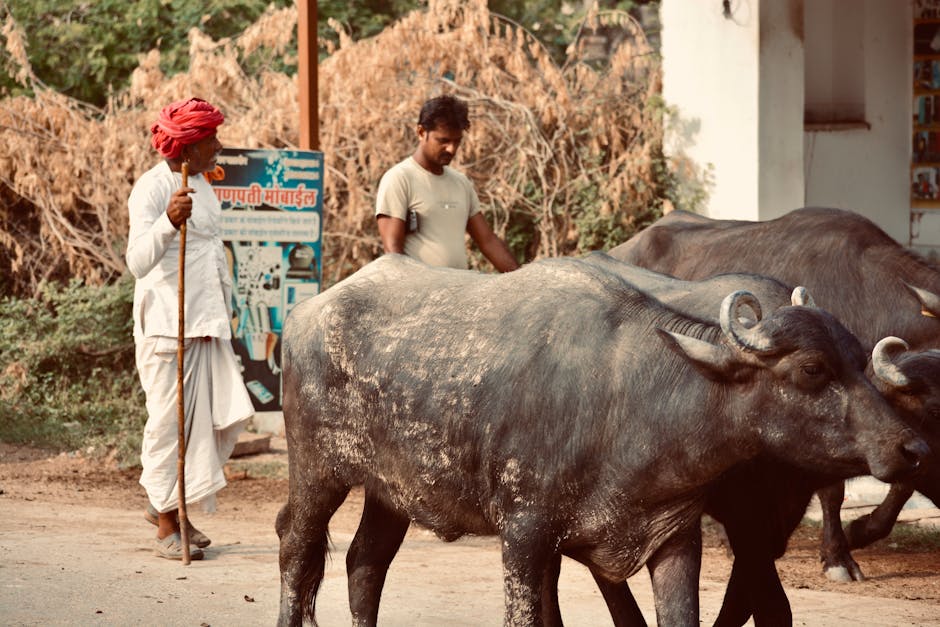
However, the real story of 2026 lies in rural India. Here, technology isn’t just about entertainment or convenience; it’s a powerful tool for empowerment. Farmers use apps for weather forecasts and market prices, small businesses leverage UPI for cashless transactions, and students access online education. This surge is largely driven by ultra-affordable 5G smartphones, typically priced between ₹8,000 and ₹15,000, offering surprising performance and solid battery life. NDTV Gadgets recently noted the explosive growth of regional language interfaces and voice commands, making technology accessible to those less comfortable with English, truly democratizing the digital experience.
The government’s push for digital literacy and last-mile service delivery through common service centers (CSCs) has also played a pivotal role. From telemedicine consultations to digital land records, technology is transforming daily life, proving that innovation isn’t just for skyscrapers, but for every village too.
Tech for Every India: What to Look For (Buying Guide Tips)
Whether you’re in the heart of Mumbai or a village in Uttar Pradesh, here’s what to consider when picking your next gadget:
For the Urban Tech Enthusiast:
- Ecosystem Integration: If you own multiple devices (smartwatch, tablet, laptop), look for brands that offer seamless connectivity and data sharing.
- Performance & Features: Prioritize top-tier processors, high refresh rate displays, and advanced camera systems for gaming, content creation, and demanding apps.
- Software Updates: A strong commitment to timely OS updates ensures longevity and access to the latest features.
- Premium Experience: Don’t shy away from premium materials, sleek designs, and robust customer support.
For the Rural Tech Seeker:
- Battery Life: This is paramount. Look for phones with 5000mAh or larger batteries, especially given potential power fluctuations.
- Durability: Devices with good splash resistance (IP ratings) and sturdy builds can withstand tougher environments.
- Local Language Support: Ensure the device supports multiple Indian languages for interface, keyboard, and voice commands.
- Offline Capabilities: Features that work well offline (like cached maps or downloaded educational content) can be invaluable.
- Serviceability: Easy access to service centers or common repair shops is a practical consideration.
Pros & Cons of Specific Tech Adoption in Rural vs. Urban India
- Urban Pros: Access to cutting-edge innovation, faster adoption of new services (e.g., drone delivery, advanced smart homes), larger selection of specialized tech.
- Urban Cons: Higher cost of living impacts tech budgets for some, potential for digital overload, increased exposure to cyber threats due to constant connectivity.
- Rural Pros: Empowerment through information (e.g., agri-tech apps), improved access to essential services (e.g., telemedicine, digital banking), creation of new economic opportunities.
- Rural Cons: Slower adoption due to digital literacy gaps, potential for infrastructure inconsistencies (though improving), limited access to advanced repair services for complex devices.
FAQ: Your Questions Answered
What are the most popular tech categories in rural India by 2026?
Smartphones, especially those in the budget segment (under ₹15,000) with good battery life and local language support, continue to dominate. Feature phones with UPI capabilities are also surprisingly popular, alongside solar-powered gadgets and affordable smart TVs for community viewing.
How is government policy impacting tech adoption in rural areas?
Government initiatives like BharatNet, Digital India, and specific programs promoting digital literacy and cashless transactions (e.g., UPI) are significantly boosting rural tech adoption by improving infrastructure, increasing awareness, and incentivizing usage.
Are Indian brands competing effectively with international players in both urban and rural markets?
Absolutely! Indian brands like Lava and Micromax have made a strong comeback in the budget segment, tailoring features specifically for Indian users, especially in rural and semi-urban areas. In the urban market, while international giants still lead premium segments, Indian startups are innovating in areas like IoT and AI.
What’s the biggest technological hurdle still facing rural India in 2026?
While connectivity has improved, consistent and affordable electricity remains a challenge in some pockets. This makes battery life and solar charging solutions critical. Digital literacy, though improving, also remains an ongoing effort, requiring more intuitive and voice-enabled interfaces.
Final Thoughts
India in 2026 is a testament to technology’s transformative power, not just in isolated pockets of prosperity, but across its entire diverse fabric. The journey to a truly digitally inclusive nation continues, but the path is clearer than ever. From the high-rises of Bengaluru to the fields of Punjab, technology is no longer a luxury, but a fundamental tool shaping a more connected, empowered, and vibrant India. It’s an exciting time to be part of this digital revolution!
Looking for more? Explore our smartphone deals section.
About the Author