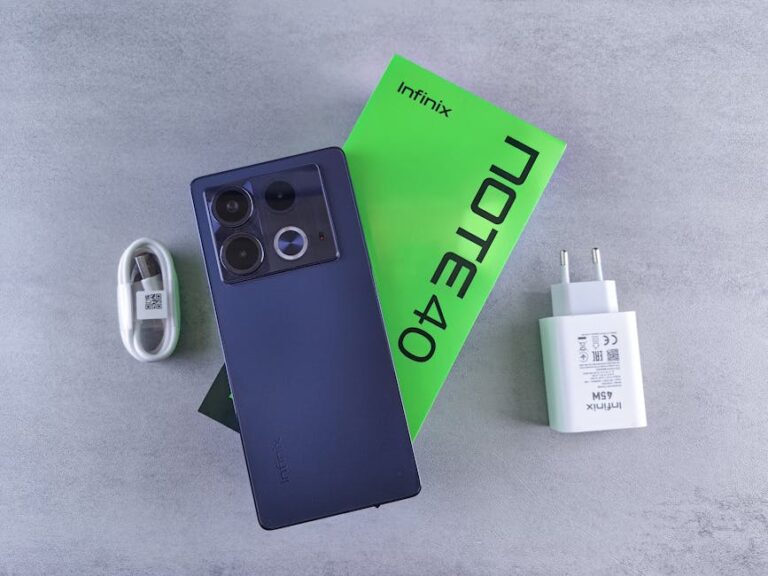

In the vibrant, digital-first landscape of India, customer reviews have long transcended mere feedback – they are the lifeblood of trust, the compass for consumption, and the silent persuader in every purchase decision. As we fast-forward to 2025, the significance of “Reviews in India” is not just growing; it’s evolving, becoming more sophisticated, integrated, and crucial than ever before. For businesses and consumers alike, understanding this dynamic ecosystem is paramount to navigating the bustling Indian marketplace.
The Evolving Landscape of Reviews in India

The dawn of 2025 sees India firmly entrenched as a digital powerhouse. With surging smartphone penetration, affordable data, and a robust e-commerce sector, nearly every transaction, from buying a smartphone to booking a plumber, is preceded by a quick scroll through reviews. This isn’t just about products; it’s about services, experiences, and even local businesses. The typical Indian consumer in 2025 relies heavily on online reviews to validate their choices, mitigate risks, and ensure they get the best value for their hard-earned money. From tech gadgets on Flipkart and Amazon to restaurant experiences on Zomato and Swiggy, “online reviews India” are the digital word-of-mouth that drives commerce.
Beyond the Stars: What Indian Consumers Look For

While star ratings remain an initial filter, the discerning Indian consumer of 2025 digs much deeper. They crave authenticity and detail. “Product reviews India” are scrutinized for specifics: battery life for a mobile, fabric quality for apparel, speed of delivery, and most importantly, after-sales service experience. Unboxing videos, comparative analyses from fellow buyers, and discussions around “value for money” hold immense weight. It’s less about generic praise and more about relatable experiences. Indians often seek out reviews from people with similar demographics or usage patterns, making detailed and honest feedback invaluable. The narrative of the review, the clarity of the pros and cons, and the responsiveness of the seller to negative feedback are all key indicators of trustworthiness.
The Power of Platforms: Where Indians Review and Research

By 2025, the review ecosystem in India is multi-platform. E-commerce giants like Amazon India and Flipkart continue to be dominant forces for product reviews. However, Google Maps reviews are critical for local businesses – from kirana stores to cafes – influencing footfall directly. Specialized platforms like Nykaa for beauty, BookMyShow for entertainment, and various travel aggregators for hotels and flights, also host vast repositories of “consumer reviews India.” Social media platforms, especially YouTube and Instagram, have transformed into visual review hubs, with influencers and everyday users sharing their “digital India reviews” through vlogs and reels. WhatsApp groups, though private, also serve as powerful recommendation networks, underscoring the communal aspect of purchase decisions.
AI and Authenticity: Navigating Fake Reviews in 2025
With the proliferation of reviews comes the challenge of authenticity. “Fake reviews India” is a growing concern, eroding consumer trust. However, 2025 sees significant advancements in the fight against this. E-commerce platforms are leveraging sophisticated AI and machine learning algorithms to detect and flag fraudulent reviews. These systems analyze patterns in language, user history, and suspicious activities to filter out misleading content. Consumers, too, are becoming savvier, looking for “verified purchase” tags, diverse opinions, and detailed narratives that can’t be easily faked. The demand for transparency from platforms and businesses regarding their review moderation policies is higher than ever, pushing for a more credible “trust in reviews India” environment.
Influencers, Micro-Influencers, and the Human Touch
The influencer economy continues to boom, but with a nuanced shift. While mega-influencers still hold sway, the credibility of micro-influencers and nano-influencers is gaining traction in “reviews India 2025.” These individuals, with smaller but highly engaged and niche audiences, often offer more authentic and relatable product or “service reviews India.” Their recommendations feel less like advertisements and more like peer advice, resonating deeply with Indian audiences who value genuine connections. Brands are increasingly collaborating with these niche creators to generate organic and trustworthy content, understanding that a personal narrative often outperforms a polished marketing campaign.
The Future is Integrated: Reviews as Part of the Ecosystem
Looking ahead, reviews will become even more integrated into the Indian consumer journey. Imagine trying on clothes virtually in an AR app, with integrated pop-ups showcasing reviews from users with similar body types. Voice search will allow users to quickly get review summaries for products or services. Review data will also become a critical input for product development and service improvement, with businesses actively using “AI in reviews India” to extract actionable insights from vast amounts of user feedback. This integration will create a seamless, informed, and highly personalized shopping and service experience.
Conclusion
By 2025, reviews in India are no longer a peripheral element but a central pillar of commerce and consumer confidence. They are a complex tapestry woven from star ratings, detailed narratives, visual content, AI scrutiny, and human connection. For businesses, mastering this landscape means prioritizing authenticity, transparency, and engaging with customer feedback. For consumers, it means continued vigilance and leveraging the power of collective experience. The future of reviews in India is bright, promising a more informed, trustworthy, and dynamic marketplace for all.
About the Author