

News in India 2025: Decoding the Digital Deluge with AI and Authenticity
The smartphone in your pocket isn’t just a communication device; it’s your primary news portal. As we step into 2025, the landscape of news consumption in India is more dynamic, complex, and exhilarating than ever before. From breaking stories delivered in real-time to hyper-personalized feeds, the way we interact with information has fundamentally transformed. But what truly defines “news” for an Indian audience in this AI-driven era? How do we separate fact from fiction amidst an ever-growing digital deluge? Let’s dive in and explore the evolving world of news in India.
The AI Revolution in Indian Newsrooms

AI isn’t just a buzzword; it’s a powerful co-pilot in newsrooms across India. By 2025, we’re seeing AI systems doing everything from transcribing interviews and generating quick summaries to even drafting basic reports on financial results or sports scores. This automation frees up human journalists to focus on in-depth investigations, analysis, and storytelling that requires true human intuition and empathy. Major Indian media houses are already experimenting with these technologies. For instance, some are using AI to analyze vast datasets for investigative journalism, identifying patterns and connections that would take humans weeks to uncover. This enhanced efficiency promises faster reporting and a wider coverage net, allowing news organizations to cover more ground with existing resources.
Battling the Beast: Misinformation and Deepfakes

While AI empowers, it also presents one of the biggest challenges: the proliferation of misinformation and deepfakes. India, with its massive internet user base and pervasive social media platforms like WhatsApp, Facebook, and X (formerly Twitter), is particularly vulnerable. In 2025, the sophistication of AI-generated fake audio, video, and text makes distinguishing truth from fabrication increasingly difficult. We’ve already seen instances where manipulated content has incited panic or fueled social unrest, especially during elections or sensitive social events. The onus is not just on platforms to curb this but also on news organizations and consumers to develop critical thinking skills. Fact-checking initiatives, often bolstered by AI tools themselves, are becoming indispensable. These tools can analyze large volumes of content, flag suspicious patterns, and help human fact-checkers verify information at scale, making AI both the problem and a potential part of the solution.
Hyper-Personalization: Your News, Your Way
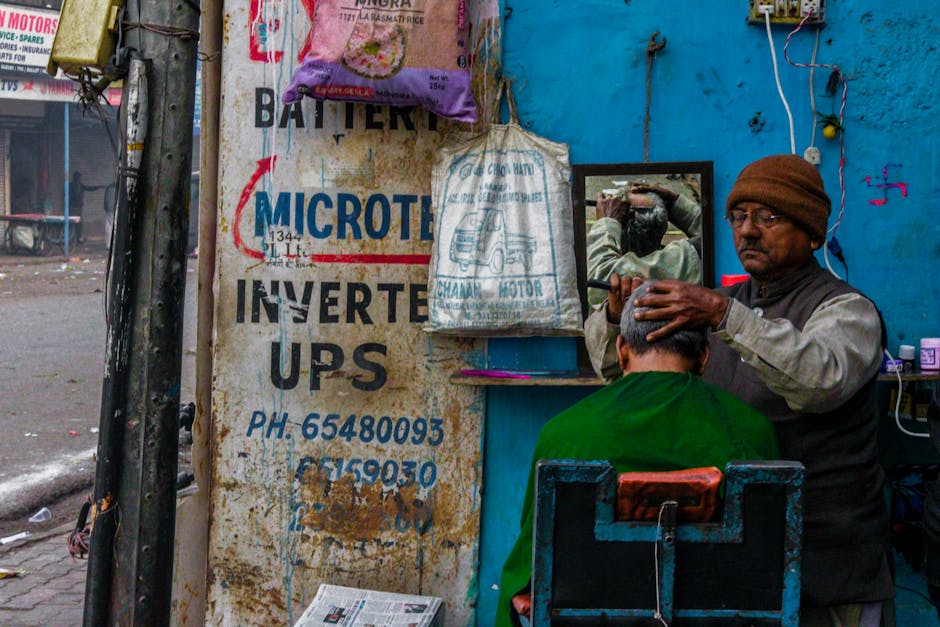
Remember when news was a one-size-fits-all newspaper? Those days are long gone. In 2025, your news feed is a curated experience, tailored to your interests, location, and even your mood. Apps like Inshorts, Dailyhunt, and Google News have perfected the art of delivering bite-sized, relevant updates. This hyper-personalization, driven by sophisticated AI algorithms, means you’re more likely to see stories about your city’s local elections, your favorite cricket team, or developments in your industry. While incredibly convenient, offering immediate access to what matters most to you, it also raises concerns about “filter bubbles” – the risk of being exposed only to information that confirms existing biases, potentially limiting diverse perspectives and challenging our understanding of broader issues.
The Resurgence of Local and Vernacular News
Despite the global digital wave, the heart of news in India still beats strongly for local and vernacular content. India’s linguistic diversity and deep-rooted community structures mean that news in Hindi, Tamil, Telugu, Marathi, Bengali, and other regional languages is not just preferred but essential. In 2025, we’re seeing a significant surge in hyper-local news apps and portals, often community-driven, covering everything from municipal council meetings to local festivals. This trend is fueled by increasing internet penetration in Tier 2 and Tier 3 cities, and the realization that national headlines often miss the nuances of daily life in specific regions. As *Android Authority* noted in a recent report on emerging app trends, local content consumption, especially in regional languages, is experiencing a significant boom in developing markets, reflecting a deep need for relevant, community-centric information.
The Creator Economy and Independent Journalism
The digital age has democratized news creation, giving rise to a vibrant creator economy. Independent journalists, citizen reporters, and content creators are leveraging platforms like YouTube, Substack, and even Instagram and Koo to build their own audiences and report on niche topics or offer alternative perspectives. For an Indian audience, this means a wider array of voices beyond traditional media houses. From investigative channels on YouTube dissecting political events to specialized podcasts covering specific industries, these independent creators often offer a fresh, unfiltered take, fostering a more diverse media ecosystem. This shift challenges established gatekeepers and empowers individuals to become their own news sources, sometimes bridging gaps left by mainstream media.
The Evolving Business Model of News
The economic sustainability of news remains a critical discussion point. In 2025, traditional ad-supported models are increasingly challenged by subscription fatigue and the dominance of tech giants in advertising revenue. Many Indian news organizations are experimenting with hybrid models: a mix of premium paywalls, reader donations, and diversified revenue streams like events or branded content. The challenge is to convince audiences to pay for quality journalism, especially when free (and often unreliable) information is readily available on social media. As *TechCrunch* highlighted in its analysis of global media trends, innovation in revenue generation and fostering reader loyalty are paramount for the survival and growth of credible news outlets in the digital era.
Final Thoughts: Navigating the News Frontier
News in India in 2025 is a tapestry woven with technological marvels, democratic aspirations, and significant challenges. We are at a pivotal moment where AI promises unprecedented efficiency and personalization, yet demands greater media literacy and critical thinking from every individual to combat misinformation. For the Indian consumer, the power lies in discerning credible information, actively seeking diverse perspectives, and supporting quality journalism. The future of news isn’t just about what’s reported, but how it’s consumed, understood, and integrated into our collective consciousness. Stay informed, stay critical, and let’s navigate this exciting and complex news frontier together, ensuring that truth and authenticity remain at its core.
Looking for more? Explore our AI innovations section.
About the Author