

India’s AI Revolution: Navigating Innovation & Growth in 2025
The year is 2025, and India is pulsating with the energy of a nation rapidly embracing its digital destiny. Amidst this technological renaissance, Artificial Intelligence (AI) stands out as the undisputed catalyst, reshaping industries, empowering citizens, and propelling India onto the global innovation map. From the bustling metropolises to the remotest villages, AI isn’t just a buzzword; it’s a tangible force driving progress, efficiency, and a truly inclusive future. For the Indian reader, the narrative isn’t about distant possibilities, but about immediate impact and unprecedented opportunities right here, right now.
The India Advantage: A Perfect Storm for AI in 2025
India’s unique demographic dividend, coupled with a robust digital public infrastructure, creates an unparalleled environment for AI innovation. By 2025, a young, tech-savvy workforce, graduating from world-class engineering institutions, forms the bedrock of this revolution. These skilled professionals are not just consumers but creators of AI, fueled by a deep understanding of local challenges and a drive for indigenous solutions. Government initiatives like “Digital India,” the National Strategy for Artificial Intelligence, and various skill development programs have provided the necessary impetus, fostering an ecosystem ripe for growth. Furthermore, the widespread adoption of UPI and Aadhaar has created an invaluable data backbone, accelerating the development and deployment of AI models tailored for the Indian context.
AI’s Footprint Across Key Indian Sectors in 2025

The transformative power of AI in India is evident across a spectrum of vital sectors:
- Healthcare: In 2025, AI is making healthcare more accessible and affordable. We’re seeing AI-powered diagnostic tools improving accuracy in radiology and pathology, especially in remote areas with limited specialist access. Personalized medicine, driven by AI analysis of patient data, is becoming a reality, optimizing treatment plans and drug discovery. Telemedicine platforms integrated with AI chatbots are handling initial consultations, making basic healthcare advice available 24/7, reducing the burden on doctors and improving patient outcomes significantly.
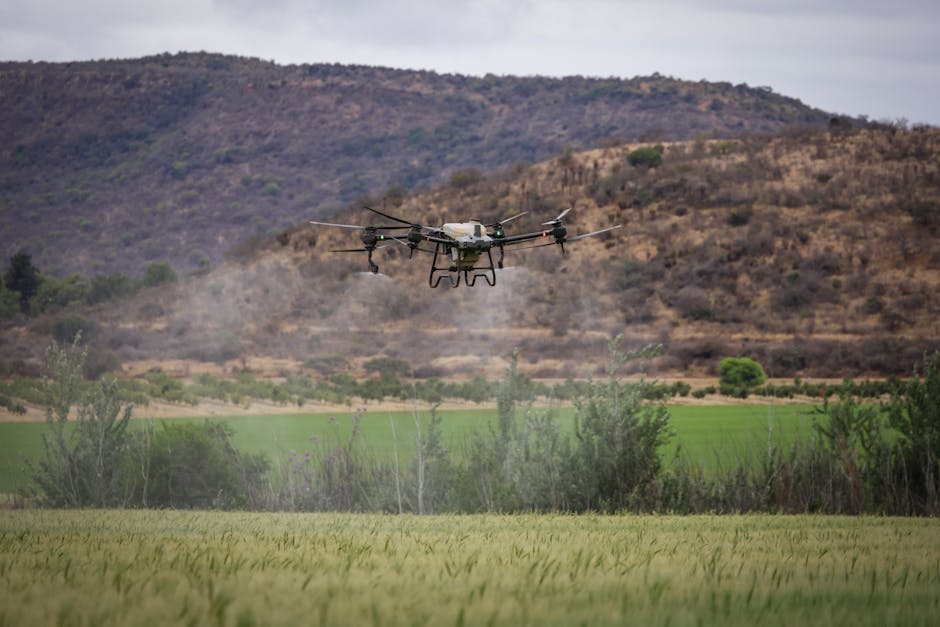
- Agriculture: The backbone of India’s economy, agriculture, is witnessing a digital revolution. AI-driven precision farming techniques are enabling farmers to optimize irrigation, predict crop yields more accurately, and detect diseases early, minimizing losses. Drones equipped with AI are surveying fields for pest infestations, while weather prediction models are helping farmers make informed decisions. This leads to higher productivity, reduced resource wastage, and ultimately, better livelihoods for millions of Indian farmers.
- Finance (FinTech): India’s dynamic FinTech sector is a prime beneficiary of AI. Fraud detection systems are more sophisticated, protecting consumers and institutions. Personalized banking services, driven by AI, offer customized financial advice, investment strategies, and loan products. AI is also playing a crucial role in credit scoring for the unbanked and underbanked populations, fostering financial inclusion by assessing non-traditional data points.
- Manufacturing: In manufacturing, AI is enhancing efficiency and safety. Predictive maintenance using AI algorithms analyzes sensor data from machinery to anticipate failures, drastically reducing downtime and operational costs. AI-powered robots and automation are streamlining assembly lines, improving quality control, and ensuring worker safety in hazardous environments, pushing India towards advanced manufacturing capabilities.
- Education: AI-powered personalized learning platforms are adapting curricula to individual student needs, making education more engaging and effective. Intelligent tutoring systems and automated grading tools are freeing up educators to focus on more complex pedagogical tasks, transforming the learning experience across all age groups.
Emerging Trends & Technologies Shaping India’s AI Landscape

Beyond current applications, several trends are poised to define India’s AI trajectory:
- Generative AI & Large Language Models (LLMs): By 2025, Generative AI is not just for content creation; it’s assisting developers in writing code, designing new products, and even creating lifelike simulations for various industries. India is seeing a rise in locally developed LLMs, trained on vast datasets of Indian languages and cultural contexts, making AI more accessible and useful for the linguistically diverse population.
- Edge AI: The shift towards Edge AI, where processing happens closer to the data source rather than in centralized cloud servers, is critical for India’s smart cities initiatives and industrial IoT. This enables real-time decision-making, reduces latency, and enhances data privacy for applications ranging from traffic management to smart factories.
- Ethical AI & Regulation: As AI becomes ubiquitous, India is actively engaging in discussions around ethical AI development. Focus is on data privacy, algorithmic fairness, transparency, and accountability. By 2025, we anticipate clearer regulatory frameworks that balance innovation with responsible AI deployment, ensuring that AI serves society without perpetuating biases or causing harm.
- AI for Social Good: Indian innovators are leveraging AI to tackle pressing social challenges, from developing AI-powered solutions for disaster management and climate change monitoring to creating assistive technologies for persons with disabilities, truly embodying the spirit of “AI for Bharat.”
Challenges and the Path Forward
While India’s AI journey is exhilarating, challenges remain. Bridging the digital divide, ensuring equitable access to technology, and continuous upskilling of the workforce are paramount. Data privacy and cybersecurity will require robust frameworks as AI systems become more intertwined with our lives. Furthermore, fostering a sustained environment for deep-tech research, attracting greater venture capital, and promoting collaborative ecosystems between academia, industry, and government will be crucial for India to cement its position as a global AI powerhouse. The focus must remain on creating high-quality, localized datasets to train AI models that truly understand the nuances of the Indian populace.
Conclusion: India’s Bright AI Future in 2025 and Beyond
As we look at India in 2025, the narrative of AI and innovation is one of immense potential and relentless pursuit. The convergence of a vast talent pool, proactive government policies, a burgeoning startup ecosystem, and a massive domestic market creates an fertile ground for AI to flourish. India isn’t just adopting AI; it’s indigenously innovating, customizing, and scaling AI solutions that are relevant globally. The journey ahead promises to be even more dynamic, with AI not just transforming industries but also enriching lives, empowering communities, and shaping a truly intelligent and inclusive “New India.” The future isn’t just arriving; India is building it, one AI innovation at a time.
About the Author