AI’s Touch: Smart Gadgets Under ₹10,000 Transforming Indian Lives in 2025
The aroma of filter coffee filled Mrs. Sharma’s kitchen in Bengaluru. It was 7 AM, and her grandson, Rahul, a software engineer, was already prepping for his WFH day. “Dadi, did you remember to check the air purifier’s filter?” he asked, glancing at the sleek device in the corner. Mrs. Sharma, a septuagenarian who’d embraced technology with surprising zeal, simply smiled. “Oh, my dear, the ‘Smart Saathi’ already told me last night. Its little AI brain sent a reminder to my phone, and I ordered a new one. It even suggested a brand that fits our budget based on its usage patterns!” Rahul chuckled, shaking his head. Just a few years ago, such seamless, proactive gadgetry felt like science fiction, especially at a price point that didn’t break the bank. Welcome to 2025, where AI isn’t just a buzzword for premium tech; it’s the invisible architect enhancing the everyday gadgets under ₹10,000 for millions of Indians.
The Intelligent Revolution: AI’s Quiet Infiltration of Budget Tech
Recommended Gadgets Under Rs 10,000 Picks
AI Health Smartwatch
- Provides personalized health insights (sleep, heart rate, stress) via AI.
- Proactive nudges for activity and suggests posture corrections.
- Monitors heart rate variability for early health alerts and recommendations.
Price: ₹6,999
Adaptive AI TWS Earbuds
- AI-driven adaptive noise cancellation adjusts to ambient sound in real-time.
- Environmental noise reduction ensures crystal-clear calls even in noisy settings.
- Learns and optimizes sound experience based on local Indian conditions.
Price: ₹5,499
AI Smart Security Camera
- Intelligently differentiates between humans, pets, and vehicles using AI vision.
- Sends relevant alerts only for human presence, ignoring common disturbances.
- Features basic facial recognition to identify known family members.
Price: ₹6,499

The Indian consumer market has always been price-sensitive, yet increasingly tech-savvy. For a long time, cutting-edge features were exclusive to flagship devices. However, 2025 marks a pivotal shift, particularly in the sub-₹10,000 segment, driven heavily by miniaturized, efficient AI. This isn’t about robots taking over; it’s about devices becoming genuinely ‘smarter,’ learning from user habits, environment, and even local contexts.
The influence of AI in budget gadgets goes beyond mere automation. It’s about personalization and efficiency. Think of a fitness tracker that doesn’t just count steps but analyzes your gait and suggests posture corrections, or earbuds that adapt noise cancellation to the specific din of a Mumbai local train versus a quiet office. These are not just ‘smart’ features; they are ‘intelligent’ ones, powered by algorithms that process data and make informed decisions, often without direct user intervention. This democratization of AI is reshaping consumer expectations, making sophisticated functionalities accessible to a broader demographic across urban and rural India.
The push for local relevance is also a significant AI driver. Devices are now better at understanding diverse Indian accents and regional languages, a feature highlighted by tech portals like Gadgets360, which frequently covers the advancements in voice AI for the Indian market. This improved natural language processing (NLP) makes smart speakers and voice assistants truly useful for a multi-lingual populace, breaking down digital barriers for many first-time tech users.
AI-Powered Wonders Under ₹10,000: Real-World Use Cases

Let’s dive into some specific categories where AI is making a tangible difference in budget gadgets:
Smartwatches & Fitness Bands: Your Personal Health Assistant
In 2025, a smartwatch under ₹10,000 isn’t just a notification hub; it’s a proactive health companion. AI algorithms analyze sleep patterns, heart rate variability, and even stress levels, offering personalized insights. Imagine a young professional in Delhi, juggling work and family. Her ₹7,000 fitness band uses AI to detect prolonged periods of inactivity, gently nudging her to take a short walk. It also learns her sleep cycle, suggesting optimal bedtimes for better rest, and even alerts her to unusual heart rate spikes, prompting a check-up. These devices are moving from data collection to intelligent recommendations, making health management more intuitive and less of a chore.
True Wireless Stereo (TWS) Earbuds: Intelligent Soundscapes
The ubiquitous TWS earbuds have evolved significantly. For under ₹10,000, you can now find earbuds with adaptive AI noise cancellation. Picture a student commuting on a crowded Bangalore BMTC bus. Their ₹5,500 earbuds, using on-device AI, automatically adjust the level of noise cancellation based on the ambient sound, ensuring crystal-clear podcast listening while still allowing crucial announcements to filter through. During calls, AI-powered environmental noise reduction isolates their voice, making conversations crisp even amidst street hawkers. NDTV Gadgets has frequently praised this advancement, noting how it elevates the audio experience significantly in budget segments.
Smart Home Security Cameras: Vigilance with Vision
Budget smart security cameras are no longer just motion detectors. AI integration means they can differentiate between a pet, a delivery person, and an intruder. A small business owner in Chennai, using a ₹6,500 AI-enabled camera, receives alerts only when a human enters their shop premises after hours, ignoring the stray cat that often wanders by. Some models even feature basic facial recognition, allowing them to identify known family members and send alerts only for unfamiliar faces, adding an extra layer of intelligent security without a premium price tag.
Smart Speakers & Displays: The Conversational Co-pilot
While premium smart speakers offer vast functionalities, those under ₹10,000 in 2025 boast vastly improved AI for voice recognition and natural language understanding, especially for Indian languages and accents. A homemaker in Pune can now fluently ask her ₹4,000 smart speaker for a recipe in Marathi, control smart lights, and even get real-time cricket scores, all with fewer errors and a more natural conversational flow than ever before. The AI is learning and adapting, making these devices genuine household helpers rather than mere novelties.
The Future is Intelligently Accessible
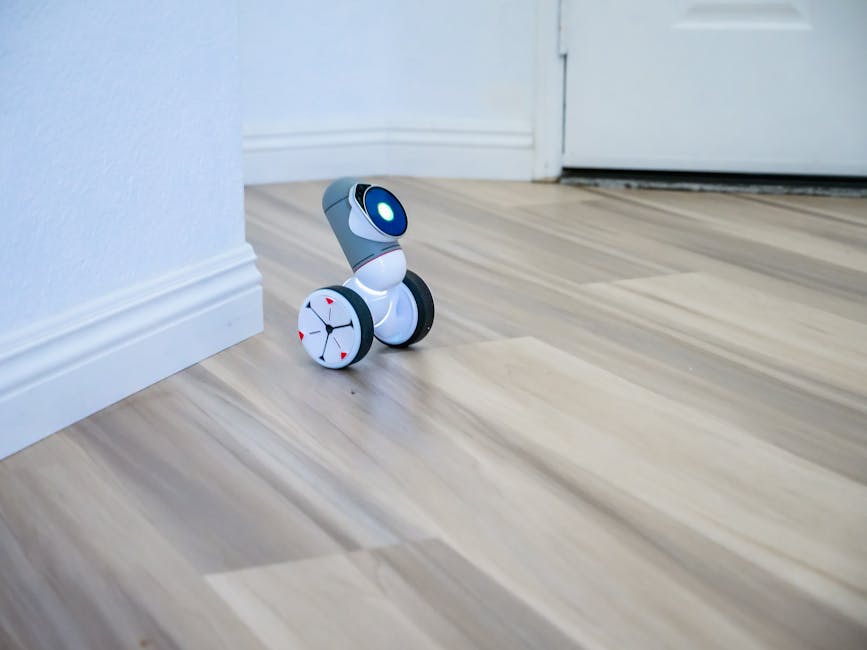
The proliferation of AI in gadgets under ₹10,000 is more than just a tech trend; it’s a testament to the ongoing democratization of technology in India. As AI chipsets become more efficient and algorithms more refined, we’ll see even more sophisticated features trickling down. This segment is not just about affordability; it’s about empowering millions of Indians with tools that genuinely enhance their daily lives, making technology work smarter for them, not the other way around.
Final Thoughts
The most exciting aspect of AI’s journey into India’s budget gadget market isn’t just the features themselves, but the silent revolution they’re sparking. It’s about technology becoming an invisible hand, subtly optimizing, suggesting, and protecting, often without us even realizing the complex computations happening in the background. As an analyst, I see this as a powerful force for inclusion, bringing the benefits of advanced tech to every corner of the country. The challenge now lies in ensuring these AI models are truly robust, unbiased, and continue to prioritize user privacy, even as they grow more integrated into our everyday lives. The ₹10,000 barrier, once a limit for innovation, is fast becoming a launchpad for India’s intelligent future.
Looking for more? Explore our smartphone deals section.
About the Author