

Published: 2026-03-01 | Updated: 2026-03-01
Imagine Rohan, a college student in Bengaluru, juggling online classes and a part-time gig. His trusty smartphone, bought for under Rs 8,000, isn’t just for calls; it’s his classroom, entertainment hub, and a window to job opportunities. This isn’t just Rohan’s story; it’s the vibrant heartbeat of India’s booming gadget market.
The landscape of affordable technology in India has transformed dramatically, especially within the sub-Rs 10,000 segment. What once felt like a compromise now represents a sweet spot for millions, driven by innovation, accessibility, and a deep understanding of Indian consumer needs.
Quick Summary: India’s Sub-Rs 10,000 Gadget Boom
Recommended Gadgets Under Rs 10,000 Picks
Redmi 14 5G
- Blazing-fast 5G connectivity for future-proof usage
- Vibrant 90Hz FHD+ display for immersive viewing
- Reliable 50MP AI camera for crisp photos
Price: ₹9,499
boAt Airdopes 800 ANC
- Active Noise Cancellation (ANC) for immersive audio
- Up to 40 hours total playtime with charging case
- Crystal-clear calling with environmental noise cancellation
Price: ₹3,299
Noise ColorFit Pulse 5
- Comprehensive health monitoring: SpO2, heart rate, sleep
- Large AMOLED display for vibrant visuals
- Up to 7-day battery life on a single charge
Price: ₹2,999

- The sub-Rs 10,000 gadget market is experiencing unprecedented growth, driven by value-for-money propositions.
- Advanced features like AMOLED screens, fast charging, and decent cameras are now standard in this budget.
- E-commerce platforms and rising digital literacy in Tier 2/3 cities are key accelerators for market expansion.
- Smartphones, TWS earbuds, and smartwatches are the leading categories experiencing rapid innovation and adoption.
- Brands are intensely competitive, constantly pushing boundaries in performance and localized features for the Indian user.
The Sub-Rs 10,000 Dilemma: More Than Just a Budget Choice

For a long time, budget gadgets were synonymous with basic functionality and significant compromises. Fast forward to 2026, and this narrative has completely flipped. Consumers aren’t just looking for the cheapest option; they’re seeking maximum value, robust performance, and features that enhance their daily lives without breaking the bank. This segment isn’t a fallback; it’s a strategic choice for students, first-time smartphone buyers, gig economy workers, and even those seeking a reliable secondary device.
The “problem” is no longer about finding a usable gadget under Rs 10,000, but rather navigating the sheer abundance of excellent choices. Brands are now packing features like high-refresh-rate displays, multi-day battery life, respectable camera setups, and even 5G connectivity into this accessible price bracket, making the decision-making process delightful yet challenging.
Decoding the Trends: What’s Fueling This Explosion?
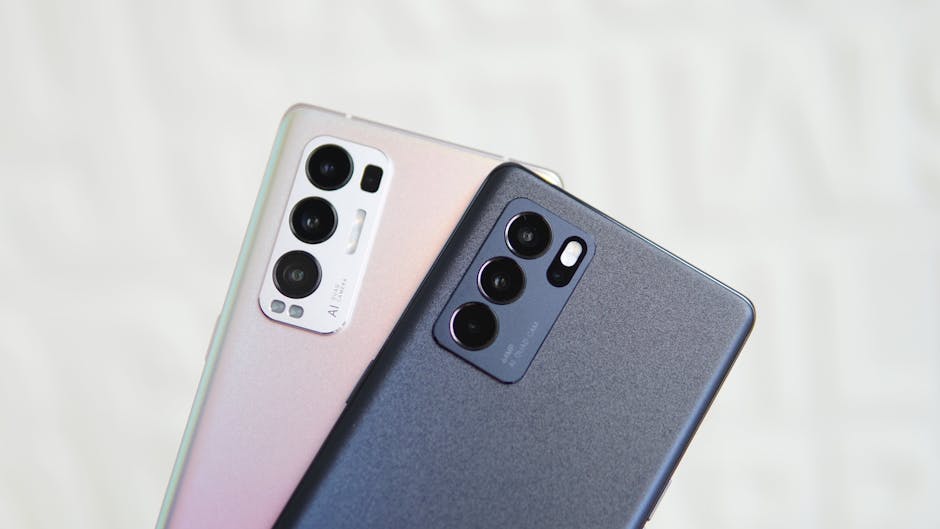
Several converging trends have ignited this remarkable growth:
- Digital India’s Momentum: Government initiatives and widespread internet penetration have created a massive first-time user base, especially in semi-urban and rural areas. These users are often budget-conscious but demand reliable, feature-rich devices for education, entertainment, and financial transactions.
- E-commerce Dominance: Online sales channels have democratized access to tech. Flash sales, exclusive launches, and doorstep delivery have made premium features accessible across the country. As reported by Gadgets360, online platforms continue to be a primary growth driver for budget smartphones and accessories.
- Feature Parity: Technology trickles down rapidly. Features once exclusive to flagship phones – think AMOLED displays, fast charging over 30W, 50MP camera sensors, and even IP ratings – are now common in the sub-Rs 10,000 category. This pushes consumer expectations higher, and brands are eager to meet them.
- 5G Democratization: With 5G networks expanding rapidly across India, budget 5G phones are no longer a rarity. Consumers are increasingly future-proofing their purchases, and brands like Realme and Xiaomi are aggressively launching affordable 5G-ready devices.
- Beyond Smartphones: The ecosystem is expanding. True Wireless Stereo (TWS) earbuds with active noise cancellation, smartwatches with health monitoring, and even basic smart home devices are seeing significant adoption in this segment. The demand for an interconnected, smart lifestyle is no longer limited to premium buyers.
Key Players and Market Dynamics
The sub-Rs 10,000 market is a battlefield. Brands like Xiaomi, Realme, Samsung, and POCO consistently vie for market share, alongside emerging Indian brands like Lava and Micromax, which are making a strong comeback with localized offerings. This fierce competition benefits consumers directly, leading to better specifications, aggressive pricing, and improved after-sales service. Brands are focusing on localized software experiences, robust build quality to withstand Indian conditions, and powerful batteries that cater to a demanding user base.
Expert Insights: A Look Ahead
Industry analysts predict continued robust growth for this segment. “The Indian consumer’s demand for value is insatiable,” states an analyst recently quoted by Android Authority. “We’ll see further integration of AI-driven features, longer software support cycles, and an even greater emphasis on sustainable manufacturing practices even in the budget segment. The focus will shift from just hardware specs to a holistic user experience.” Expect more innovation in battery technology, camera algorithms, and perhaps even foldable designs making a very early, basic appearance in the upper end of this budget in the years to come.
Pros & Cons of This Dynamic Market
- Pros:
- Unprecedented access to advanced technology for a vast population.
- Intense brand competition drives innovation and better value for money.
- Diverse range of gadgets beyond just smartphones, including wearables and audio.
- Empowers digital inclusion and economic participation across different income groups.
- Rapid feature upgrades mean consumers always have access to the latest tech.
- Cons:
- Market saturation can make choosing difficult for consumers.
- Some budget devices might compromise on long-term software updates or build quality.
- Fast upgrade cycles can contribute to electronic waste if not managed responsibly.
- Potential for feature overload leading to confusion for less tech-savvy users.
Frequently Asked Questions
What types of gadgets are best under Rs 10,000 in 2026?
In 2026, the sub-Rs 10,000 segment excels in smartphones offering decent performance, good cameras, and often 5G connectivity. Beyond phones, you’ll find excellent TWS earbuds with ANC, feature-rich smartwatches for fitness tracking, and reliable power banks, all delivering great value.
Are budget gadgets durable enough for long-term use?
Many budget gadgets, especially from reputable brands, are surprisingly durable today. While they might not boast premium materials like glass backs or IP68 ratings, they are built to withstand daily use. Look for devices with Gorilla Glass protection or robust plastic builds, and always check user reviews for longevity insights.
How has 5G impacted the sub-Rs 10,000 segment?
5G has significantly impacted this segment by becoming a standard feature rather than a premium one. Many smartphones under Rs 10,000 now offer 5G connectivity, future-proofing purchases and ensuring users can access faster network speeds as 5G coverage expands across India.
Which brands dominate the budget gadget market in India?
Xiaomi and Realme continue to be dominant forces, known for their aggressive pricing and feature-packed offerings. Samsung has also made strong inroads with its M-series and A-series phones. Additionally, POCO, Infinix, Tecno, and even revitalized Indian brands like Lava are significant players, constantly introducing competitive products.
Final Thoughts
The journey of the sub-Rs 10,000 gadget market in India is a testament to innovation meeting accessibility. It’s a dynamic, competitive space that continues to redefine what “affordable” truly means, empowering millions of Indians to connect, learn, and entertain themselves without financial strain. As we move further into 2026, this segment isn’t just about sales figures; it’s about fostering digital equity and driving a new era of technological inclusion for the nation.
Looking for more? Explore our AI innovations section.
About the Author