
Published: 2026-01-24 | Updated: 2026-01-24
Ever wondered how truly connected every corner of India has become? From bustling Tier-2 cities to serene villages, the digital wave isn’t just a ripple anymore; it’s a powerful current, and guess what’s riding its crest? Your trusty smartphone!
In 2026, smartphones are more than just communication devices; they’re gateways to education, commerce, and entertainment, fundamentally transforming lives across regional India.
Join us as we explore this incredible digital adoption, what it means for smartphone users, and how to pick the perfect device for your needs.
Quick Summary
Recommended Smartphones Picks
Redmi Note 13 5G
- Stunning 108MP camera for detailed photos and utility.
- Long-lasting 5000mAh battery with efficient fast charging.
- Future-ready 5G connectivity for ultra-fast internet speeds.
Price: ₹16,999
Realme 12X 5G
- Efficient Dimensity 6100+ 5G processor for smooth app performance.
- Rapid 45W fast charging for its robust 5000mAh battery.
- Durable design with IP54 dust and splash resistance for varied environments.
Price: ₹11,999
Samsung Galaxy M34 5G
- Massive 6000mAh battery for extended usage over two days.
- Sharp 50MP OIS camera for stable photos and clear document scans.
- Vibrant Super AMOLED display and reliable 5G connectivity.
Price: ₹15,999

- Regional India is experiencing a massive smartphone-led digital transformation, driven by affordability and accessibility.
- Smartphones are crucial tools for financial inclusion (UPI), online education, and entertainment in these areas.
- Key smartphone features for regional users in 2026 include long battery life, durability, strong performance for essential apps, and vernacular language support.
- The digital surge offers immense opportunities for empowerment but also presents challenges like the digital divide and data privacy.
- Buying wisely means prioritizing practical features over flashy specs, focusing on long-term value and local serviceability.
The Great Digital Leap: India’s Regional Revolution

Cast your mind back a few years, and you’d find a stark contrast in digital access between India’s metros and its smaller towns or villages. Fast forward to 2026, and the landscape is dramatically different. The “next billion users” narrative isn’t just a buzzword; it’s a living reality, largely powered by affordable data plans and, crucially, accessible smartphones.
This isn’t just about people getting online; it’s about empowerment. Farmers are checking mandi prices, students are accessing online tutorials, small business owners are using UPI for seamless transactions, and families are connecting like never before. According to a recent analysis by TechCrunch, India’s fintech adoption in regional areas has seen an unprecedented surge, with smartphone-based payment solutions leading the charge. This digital integration is breaking down traditional barriers, bringing previously underserved populations into the economic mainstream.
The shift from basic feature phones to smart devices has been phenomenal. What was once considered a luxury is now a necessity, a tool for daily survival and progress. The affordability of these devices, coupled with government initiatives promoting digital literacy, has created a fertile ground for this revolution. Reports from Gadgets360 consistently highlight how brands focusing on the sub-₹15,000 segment are seeing their strongest growth in Tier-2 and Tier-3 cities, underscoring the demand for value-for-money smartphones that don’t compromise on essential features.
Smartphones Driving the Change: What’s Hot in 2026?
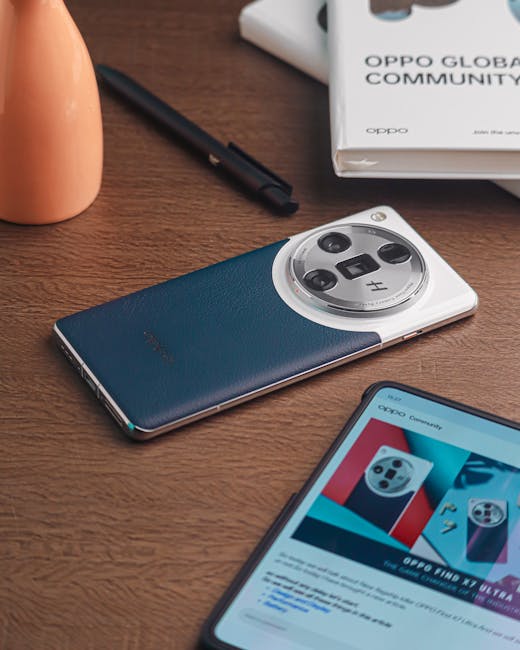
So, what kind of smartphones are fueling this regional digital adoption in 2026? It’s not always about the highest megapixel count or the most powerful processor. Instead, it’s about reliability, practicality, and features that genuinely serve the user’s daily needs.
Battery Life is King:
With sometimes unreliable power grids in certain areas, a smartphone that can last a full day, or even two, on a single charge is non-negotiable. Devices packing 5000mAh batteries or more, often with fast charging, are highly sought after.
Durability Matters:
These phones are often used in varied environments, from dusty fields to busy markets. A robust build, perhaps with some level of splash resistance, adds significant value.
Vernacular Language Support:
Seamless integration of local languages in the user interface, keyboards, and voice assistants makes technology truly accessible to everyone.
Reliable Performance for Essentials:
While flagship processors aren’t always necessary, a smooth experience for apps like WhatsApp, YouTube, UPI platforms, and basic online learning tools is crucial. This means a decent amount of RAM (think 4GB or 6GB) and efficient chipsets.
Decent Camera for Social & Utility:
A good camera isn’t just for selfies; it’s for documenting important information, scanning documents, and connecting visually with family far away.
Affordable 5G Connectivity:
As 5G rollout continues its aggressive pace across India, budget-friendly 5G-enabled smartphones (often under ₹15,000) are becoming standard, ensuring future-proofing for faster internet access.
Pros & Cons of this Digital Surge
Pros:
- Economic Empowerment: Easier access to banking, digital payments (UPI), e-commerce, and market information for small businesses and farmers.
- Enhanced Education: Online learning platforms, educational apps, and remote schooling opportunities are now within reach.
- Improved Healthcare Access: Telemedicine consultations, health information, and appointment booking become simpler.
- Social Inclusion: Connecting with family and friends, accessing entertainment, and participating in online communities reduces isolation.
- Access to Information: News, government schemes, and general knowledge are readily available, fostering informed citizens.
Cons:
- Digital Divide Persistence: Despite progress, disparities in connectivity and digital literacy still exist, leaving some behind.
- Privacy and Security Concerns: Increased online activity brings risks of data breaches, scams, and misinformation.
- Information Overload/Misinformation: The sheer volume of online content can be overwhelming, and distinguishing credible information from false narratives is a challenge.
- Screen Addiction & Health Issues: Excessive screen time can lead to eye strain, sleep disturbances, and reduced physical activity.
- Dependence on Technology: Over-reliance on smartphones for essential services could create vulnerabilities if technology fails or becomes inaccessible.
Your 2026 Smartphone Buying Guide for Regional India
Choosing a new smartphone can feel like navigating a maze, but for regional Indian users in 2026, a few guiding principles can simplify the process:
- Prioritize Battery Life and Durability: As discussed, these are paramount. Look for phones with 5000mAh+ batteries and sturdy builds. Check reviews for real-world battery performance.
- Check for Vernacular Language Support: Ensure the phone offers robust support for your preferred local languages, from the keyboard to the UI.
- Don’t Chase Unnecessary Specs: Do you really need a 108MP camera if you primarily use it for WhatsApp photos? Focus on what you’ll actually use daily. A good 48MP or 64MP sensor is often more than enough.
- Consider RAM and Storage: Aim for at least 4GB RAM for smooth multitasking and 64GB storage (expandable via microSD is a bonus) to comfortably store apps, photos, and videos.
- Look for Local Service Support: A brand with a strong service network in your area can be a lifesaver if you ever need repairs or assistance.
- Read Reviews from India-focused Tech Blogs: Publications like NDTV Gadgets and Android Authority often provide in-depth reviews specifically tailored to the Indian market, highlighting aspects like network performance and battery life under local conditions.
- Affordable 5G is a Smart Bet: Even if 5G isn’t fully rolled out in your immediate vicinity, an affordable 5G-enabled phone prepares you for the future without breaking the bank.
Frequently Asked Questions (FAQs)
Do I really need a 5G phone if 5G hasn’t reached my village/town yet?
While 5G might not be universally available everywhere in regional India right now, its rollout is rapid. Opting for an affordable 5G-enabled phone in 2026 is a smart move for future-proofing. You’ll still get excellent 4G performance, and when 5G does arrive, your phone will be ready to take advantage of faster speeds without needing an upgrade.
What are the most essential apps for smartphone users in regional India?
Beyond communication apps like WhatsApp, essential apps include UPI payment platforms (Google Pay, PhonePe, Paytm), government service apps (UMANG, Digilocker), educational apps (BYJU’S, Khan Academy), and local news/entertainment apps. Many users also heavily rely on YouTube for content and various e-commerce platforms.
How much should I spend on a smartphone in 2026 for good value?
For regional users seeking great value in 2026, the sweet spot often lies in the ₹10,000 to ₹15,000 range. This segment offers a fantastic balance of features like long battery life, decent cameras, sufficient RAM/storage, and often 5G connectivity, without overspending on features you might not need.
Is it safe to do online banking and transactions on my smartphone?
Yes, absolutely, provided you take necessary precautions. Always use official banking apps, enable two-factor authentication, use strong, unique passwords, and avoid public Wi-Fi for sensitive transactions. Keep your phone’s software updated, and be wary of suspicious links or messages.
Final Thoughts
The smartphone’s journey in regional India is a testament to technology’s power to bridge gaps and empower communities. It’s more than just a gadget; it’s a symbol of progress, a tool for transformation, and a gateway to a more connected, informed, and prosperous future. As we move further into 2020s, the digital pulse of India will continue to beat stronger, with smartphones at its very heart, driving an inclusive growth story for millions.
Looking for more? Explore our tech guides section.
About the Author