
Smartphones in India 2025: From Metro Buzz to Village Vibes – Who’s Using What?
Recommended Smartphones Picks
Realme P1 5G
- Powered by Dimensity 7050 5G Processor for smooth performance.
- Equipped with a large 5000mAh battery and 45W SUPERVOOC Charge.
- Features a versatile 50MP AI Camera for capturing clear photos.
Price: ₹14,999
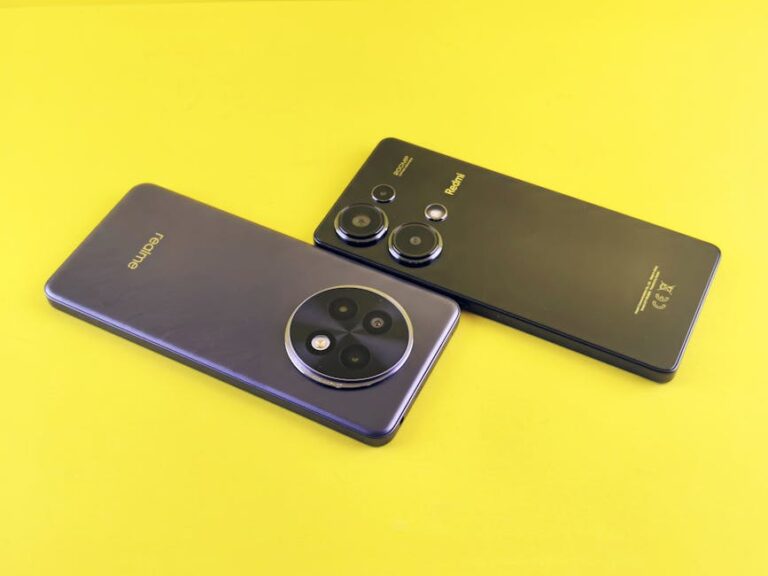
Redmi Note 13 5G
- Boasts a high-resolution 108MP AI Triple Camera system.
- Includes a robust 5000mAh battery with 33W fast charging support.
- Offers reliable 5G connectivity with MediaTek Dimensity 6080 processor.
Price: ₹16,999
Samsung Galaxy M15 5G
- Features a massive 6000mAh battery for extended usage.
- Comes with a capable 50MP Triple Camera setup.
- Delivers consistent performance with stable 5G connectivity.
Price: ₹13,499

Yaar, just five years ago, a smartphone was a luxury for many. Fast forward to 2025, and it feels like every hand in India, from the bustling lanes of Chandni Chowk to the serene fields of rural Maharashtra, holds one. But hold on, boss! While the sheer number of phones has exploded, the *way* we use them, the *kind* of phones we covet, and the *reasons* we upgrade are vastly different, depending on whether you’re chilling in a high-rise apartment in Bengaluru or sipping chai in a remote village in Uttar Pradesh. It’s not a one-size-fits-all story; it’s a colourful tapestry of diverse tech adoption, and trust me, it’s fascinating!
The Digital Divide Isn’t Just About Ownership Anymore

Back in the day, the “problem” was simply access. Could you even *get* a smartphone? Today, almost everyone can. The real challenge, the nuanced problem of 2025, is about the *quality* of access, the *depth* of usage, and the *spectrum* of features being leveraged. In our metros, the conversation is around the latest iPhone’s LiDAR scanner, the freshest foldable from Samsung, or the mind-blowing camera on a Pixel. Urbanites are power users – they’re managing investments on multiple apps, creating professional content for Instagram and YouTube, gaming on the go, and integrating their phones into smart home ecosystems. Their upgrade cycles are getting shorter, driven by FOMO and a desire for the absolute bleeding edge.
But step into rural India, and the picture shifts dramatically. Here, a smartphone isn’t just a gadget; it’s a lifeline. It’s the primary connection to family, the gateway to government services, the tool for digital payments via UPI for daily essentials, and often, the only source of entertainment. The “problem” here isn’t a lack of desire for advanced features, but practical constraints: affordability, reliable internet connectivity (especially 5G), consistent electricity for charging, and phones that can withstand a bit of rough and tumble. For many, durability, battery life, and a simple, intuitive interface in their regional language trump fancy AI features or a 120Hz refresh rate.
Decoding the Trends: What’s Hot Where?

Let’s dive into the masala of what’s trending in 2025 for both segments.
**Urban India: The Premium Push & Ecosystem Play**
In cities, 5G isn’t just a buzzword; it’s enabling real-time cloud gaming, seamless AR experiences, and ultra-HD streaming. People are investing in premium flagships, often above ₹40,000, looking for robust AI capabilities for photography, smart assistants, and seamless integration with their smartwatches, earbuds, and even smart home appliances. We’re seeing a definite lean towards ecosystem lock-in, be it Apple’s walled garden or Samsung’s extensive Galaxy universe. According to a report on **NDTV Gadgets**, urban consumers are increasingly driving the premium smartphone segment, with brands like OnePlus, Apple, and Samsung seeing significant growth in higher price brackets, thanks to easy financing options and a demand for cutting-edge tech. The focus is on productivity, content creation, and an elevated digital lifestyle.
**Rural India: Affordable 5G & Digital Inclusion Drives**
The rural market, on the other hand, is all about accessibility and value. The true game-changer here is the proliferation of affordable 5G smartphones in the sub-₹20,000 category. These devices are democratizing high-speed internet, opening doors to online education, telemedicine, and direct benefit transfers. Brands like Xiaomi, Realme, and even homegrown Lava are tailoring phones with massive batteries, brighter screens for outdoor visibility, and localized software experiences. The move from feature phones to smartphones is still a significant trend, fueled by the government’s Digital India push and the phenomenal success of UPI. **Gadgets360** recently highlighted how the sub-₹15,000 segment continues to dominate sales in Tier 2 and 3 cities and rural areas, with consumers prioritizing battery life, camera performance, and robust build quality over niche features, often driven by the need for reliable communication and basic entertainment. Regional language content consumption is soaring, and phones that offer a good multimedia experience without breaking the bank are kings.
The Experts Say: Bridge the Gap, Simplify the Tech
Industry experts often emphasize that while the gap in feature adoption is evident, the smartphone market in India is a story of incredible potential. The key to true digital inclusion, they argue, lies in making technology not just affordable, but also *approachable*. This means intuitive user interfaces, strong regional language support, and applications that are simple to navigate for first-time internet users. Beyond the device itself, the critical infrastructure – reliable power supply and ubiquitous, affordable high-speed internet – remains paramount. Brands are increasingly understanding that a single marketing strategy won’t work for both segments; they need tailored product development and distribution channels. The focus for rural markets is on creating robust, long-lasting devices that can withstand challenging environments, coupled with local support and digital literacy initiatives to empower users.
The Journey Continues: Towards a Truly Connected India
So, there you have it. India’s smartphone saga in 2025 isn’t just about who has the fastest processor or the coolest camera. It’s a tale of two Indias, both embracing the digital revolution but on different terms and with different needs. Urban users are pushing the boundaries of what a smartphone can do, while rural users are discovering its foundational power to transform lives. The journey towards a truly digitally inclusive nation is ongoing, filled with incredible innovation and a relentless spirit of adaptation.
Final Thoughts
Honestly, watching this evolution unfold is mind-blowing. From that one Nokia 3310 everyone shared in the village to now, where even the local kirana store owner is swiping payments on a budget 5G phone – it’s a testament to India’s incredible digital leap. The challenge now isn’t just getting a phone into every hand, but ensuring that every hand can fully unlock its potential, regardless of their PIN code. The future isn’t just smart; it’s inclusive, and that, my friends, is truly something to be excited about!
Looking for more? Explore our AI innovations section.
About the Author