
Your 2025 Digital Dilemma: The Desi Voice vs. The Global Giant in Smart Homes
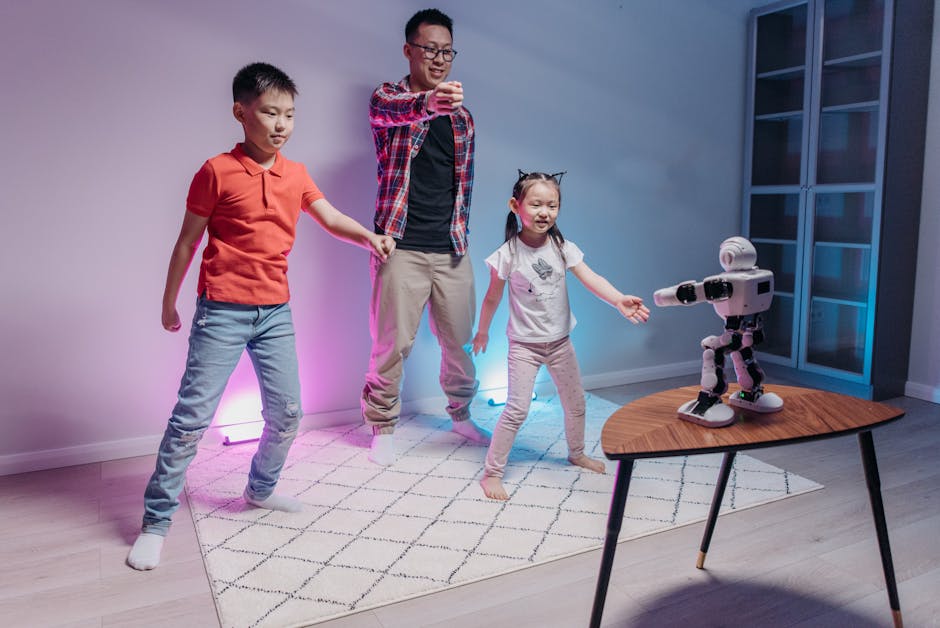
Imagine this: It’s 2025. You walk into your home after a long day, perhaps battling Bengaluru traffic or navigating Mumbai’s local trains. “Hey Assistant, dim the lights and play my evening playlist,” you command. But the real question isn’t *if* you’ll be giving that command, but *who* you’ll be giving it to. The smart home ecosystem in India is buzzing, evolving beyond simple smart bulbs to fully integrated digital companions. As our lives become inextricably linked with AI, choosing the right digital assistant isn’t just about features anymore; it’s about cultural resonance, privacy, and value. This year, we’re seeing a fascinating showdown: the rise of the ‘Desi Voice Assistant’ (DVA) directly challenging the established ‘Global Smart Hub’ (GSH).
India’s Smart Home Surge: The Numbers Tell a Story

The acceleration of smart home adoption in India has been nothing short of phenomenal. Fuelled by affordable internet, rising disposable incomes, and a growing tech-savvy population, the market is poised for explosive growth. According to a report by NDTV Gadgets, the Indian smart home market is projected to reach over $10 billion by 2027, with smart speakers and hubs forming a critical backbone. This isn’t just about convenience; it’s about integration. A recent survey highlighted by Gadgets360 indicated that nearly 60% of urban Indian households expressed interest in voice-controlled devices that understand local languages and nuances. The demand isn’t just for English; it’s for Hindi, Marathi, Bengali, Tamil, and a host of other regional tongues. This burgeoning demand has opened the doors for local innovators to carve out a significant niche, directly challenging the long-standing dominance of international tech behemoths.
Desi Voice Assistant (DVA) vs. Global Smart Hub (GSH): A Head-to-Head Comparison
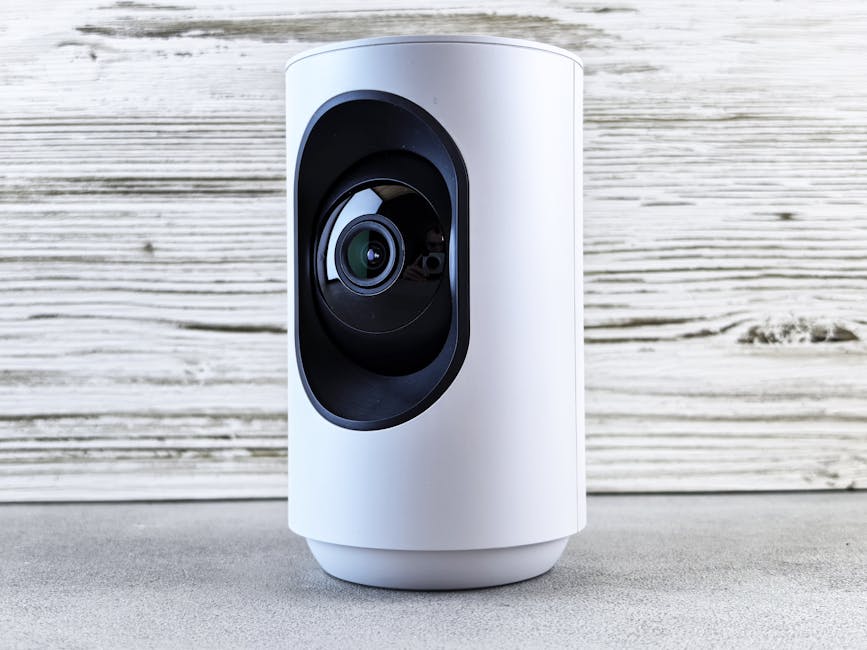
The Desi Voice Assistant (DVA): Rooted in India
The DVA, often developed by Indian startups or domestic tech giants, is designed with the Indian user at its core. Its primary appeal lies in its deep understanding of regional languages and cultural contexts. Imagine asking your assistant for today’s cricket score in Marathi, or to play the latest devotional songs from a specific regional artist, and it responds flawlessly. DVAs excel in local content integration, from ordering groceries on BigBasket to accessing regional news channels or even helping with local government services. Pricing is a significant advantage; these devices are often aggressively priced to ensure wider accessibility, making advanced AI more attainable for the average Indian household. Privacy is also a strong selling point, with many DVAs emphasizing local data storage and adherence to India’s evolving data protection laws, appealing to a populace increasingly wary of global data practices. However, DVAs might sometimes lag in complex, multi-device ecosystem integrations or offer a smaller pool of third-party skills compared to their global counterparts.
The Global Smart Hub (GSH): The World at Your Command
The GSH represents the refined, well-established offerings from international tech giants. These hubs boast vast ecosystems, connecting seamlessly with thousands of smart devices globally. Their AI is often more sophisticated, capable of handling complex queries, understanding nuanced commands, and offering a broader range of third-party integrations, from international music streaming services to global smart home brands. Hardware design is typically premium, featuring advanced audio quality and robust build. For a user deeply entrenched in an existing global tech ecosystem (e.g., a specific smartphone brand’s services), the GSH offers unparalleled integration. The downside? A higher price tag can be a barrier for many Indian consumers. While they’ve made strides in regional language support, the cultural nuance might sometimes feel less authentic compared to a locally developed DVA. Data privacy, governed by global policies, can also be a point of contention for some Indian users.
Key Comparison Points:
- Price & Value: DVA wins on affordability, offering robust features at a fraction of the cost. GSH offers premium features at a premium price.
- AI Capabilities & Ecosystem: GSH generally leads in raw AI sophistication and vast global integrations. DVA excels in localised intelligence and content.
- Language & Localisation: DVA is superior in understanding and responding in regional Indian languages with cultural accuracy. GSH is improving but often plays catch-up.
- Privacy & Data Security: DVA often emphasizes local data handling and compliance, a significant draw for many. GSH operates under global data policies.
- Hardware & Design: GSH typically offers superior hardware design and audio quality. DVA focuses on functional, value-driven designs.
The Takeaway: Who Wins Your Living Room?
Choosing between the Desi Voice Assistant and the Global Smart Hub in 2025 boils down to your priorities. If you value deep cultural integration, robust regional language support, and an affordable entry into the smart home world with a keen eye on local data privacy, the DVA is your champion. It’s perfect for families keen on local content and everyday convenience without breaking the bank. However, if you’re an early adopter seeking the cutting edge in AI, a vast global ecosystem, and premium hardware, and you’re willing to pay for it, the GSH remains a formidable choice. It’s ideal for those already invested in a global tech stack and demanding top-tier performance.
Final Thoughts
The digital assistant landscape in India isn’t just a tech battle; it’s a testament to the nation’s unique digital identity. This isn’t a zero-sum game. The pressure from Desi innovators is forcing global giants to localise faster and better, while the global players push local firms to innovate on hardware and ecosystem depth. The real winner is the Indian consumer, who in 2025, has an unprecedented array of choices tailored to their specific needs, preferences, and cultural fabric. Expect a future where these lines blur, giving rise to truly hybrid smart assistants that understand both ‘Bharat’ and the world beyond.
Looking for more? Explore our smartphone deals section.
About the Author