The year is 2025, and India’s tech landscape continues its breathtaking sprint forward. But amidst the glittering launches and futuristic headlines, one se
The year is 2025, and India’s tech landscape continues its breathtaking sprint forward. But amidst the glittering launches and futuristic headlines, one segment remains crucial, even foundational: gadgets priced under Rs 10,000. This isn’t just about affordability; it’s a testament to how innovation is reaching every corner of our diverse nation. The story of budget tech in India today is less about what’s missing, and more about how distinct needs shape adoption across our bustling metropolises and serene rural heartlands.
The Rs 10,000 Sweet Spot: A Bridge, Not a Barrier
Recommended Gadgets Under Rs 10,000 Picks
Budget 5G Smartphone
Robust 5G connectivity for seamless internet access.
Long-lasting battery life (4500mAh+) for extended usage.
Decent camera and support for local language applications.
For many, Rs 10,000 is the sweet spot for a significant tech purchase, offering a balance between capability and cost. In 2025, this segment isn’t just surviving; it’s thriving with surprisingly robust devices. The real magic happens when we look at *who* is buying these gadgets and *why*. The urban user often seeks a secondary device, an upgrade, or a specific function, while the rural user frequently sees it as their primary, often sole, gateway to the digital world. This fundamental difference drives everything from feature priorities to purchasing decisions.
Gadgets Under Rs 10,000: Urban vs. Rural Adoption in 2025
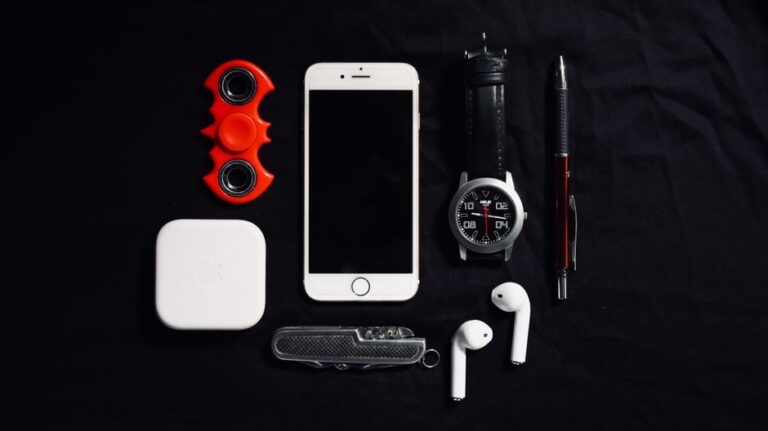
Affordable tech spread – Image via Pexels
Let’s dive into some key categories dominating this price bracket and observe their unique journeys across India.
Smartphones: The Unchallenged King
Even in 2025, the smartphone remains the most impactful gadget, and under Rs 10,000, it’s a fiercely competitive arena. For urban users, these are often secondary phones, devices for children, or entry-points for digital detoxers who want basic connectivity without the flagship frills. They’ll prioritize decent cameras, good app support for social media, and reliable battery life for daily commutes. As Gadgets360 recently highlighted, brands are now packing surprising OLED displays and 5G readiness into this segment.
In rural India, however, these phones are lifelines. They facilitate UPI payments via simplified interfaces, provide access to agricultural advisories through government apps, and connect families across vast distances. Durability, long battery life, and clear call quality often trump processor speed. The ability to run local language apps and robust network reception are non-negotiable. For a farmer in Rajasthan, a budget smartphone isn’t just a communication tool; it’s a business instrument.
Wearables: Fitness & Functionality
Smartwatches and fitness bands under Rs 10,000 have matured significantly. Urban users are drawn to features like SpO2 monitoring, stress tracking, and seamless notification mirroring – often as a fashion statement or a health-conscious accessory. They appreciate customisable watch faces and integration with popular fitness apps.
In rural areas, adoption is slower but growing, driven by health awareness campaigns and the practical utility of basic fitness tracking. Simple step counters and heart rate monitors are valued. The long battery life common in budget bands is a huge plus, especially where charging points might be less frequent. Wearables here are less about trend and more about practical health monitoring, often used by frontline health workers or individuals looking to track basic well-being.
Audio Gear: TWS & Neckbands
The explosion of True Wireless Stereo (TWS) earbuds and neckbands continues unabated. Under Rs 10,000, you can find excellent options with active noise cancellation (ANC) and impressive sound quality. Urban users frequently use these for music during commutes, online meetings, and gaming. They look for crisp audio, low latency, and comfortable fits for extended use. The aesthetic appeal and brand perception also play a role.
In rural settings, audio gear primarily serves entertainment and communication. Listening to regional music, podcasts, or taking calls while working hands-free are common use cases. Durability against dust and sweat, and long playback times, are highly valued. Neckbands, with their reduced risk of loss, often find more favour here than tiny TWS earbuds, as noted by recent market analyses on NDTV Gadgets.
Smart Home Basics: A Glimmer of Connectivity
While full-fledged smart homes are still largely an urban luxury, basic smart home devices under Rs 10,000 are making inroads. Smart bulbs, plugs, and entry-level security cameras are popular in urban apartments for convenience, energy saving, and peace of mind. Users appreciate voice control integration and remote management.
Rural adoption is nascent but emerging, particularly with devices that address specific pain points. For instance, smart plugs for managing water pumps remotely, or basic CCTV cameras for farm security, are finding niche utility. The challenge here is reliable internet connectivity and consistent power supply, which are still evolving in many remote areas. However, as infrastructure improves, the demand for these convenient, affordable solutions will undoubtedly grow.
Final Thoughts: The Unifying Power of Affordable Tech
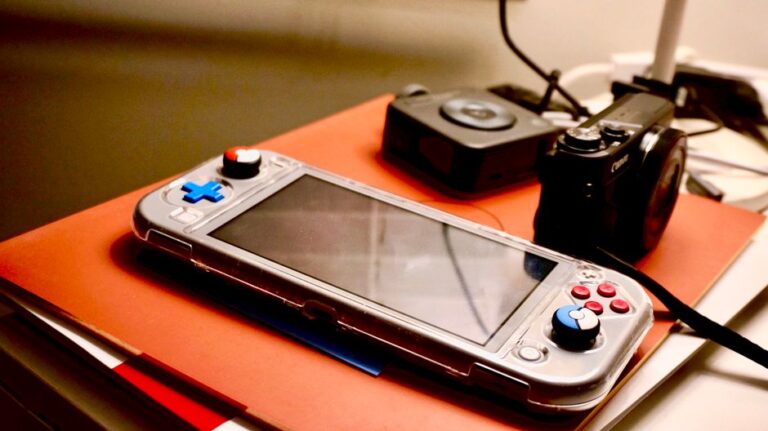
Urban gadget lifestyle – Image via Pexels
In 2025, the Rs 10,000 gadget segment isn’t just about cheap electronics; it’s a dynamic ecosystem reflecting India’s diverse aspirations. Urban India leverages these devices for convenience, secondary functionality, and niche needs, while rural India harnesses them as primary tools for education, economic empowerment, and connectivity. The underlying thread is clear: technology, when made accessible and relevant, can bridge divides and unlock potential. As manufacturers continue to innovate and government initiatives expand digital infrastructure, the story of gadgets under Rs 10,000 will be less about where you live, and more about how every Indian can tap into the power of tomorrow, today.