
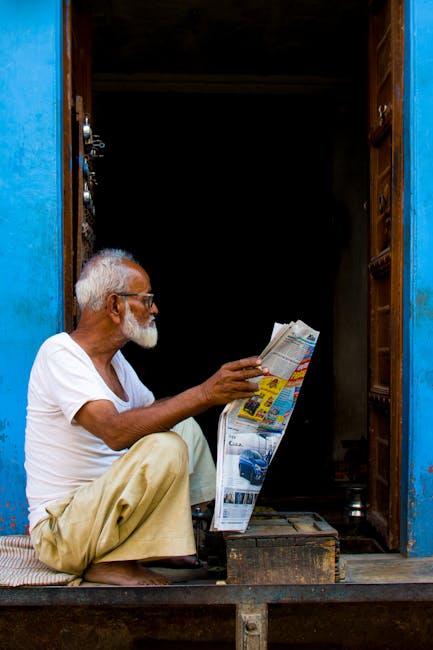
The pulse of India beats faster with every digital innovation, and nowhere is this more evident than in the realm of news. As we gaze towards 2025, the way 1.4 billion Indians consume, create, and interact with information is undergoing a profound metamorphosis, driven by cutting-edge technology and shifting consumer habits. Forget the static headlines of yesteryear; the future of news in India is dynamic, personalized, and deeply integrated into our digital lives.
The Digital Tsunami: How India Consumes News

India’s smartphone penetration continues its relentless march, coupled with some of the world’s most affordable data plans. By 2025, the vast majority of Indians will access the internet primarily through their mobile devices, making the smartphone the undisputed king of news consumption. This isn’t just about reading articles; it’s about a multi-sensory experience. Traditional mediums like print newspapers and linear television news, while still relevant in certain demographics, will see their digital counterparts dominate in reach and engagement. Social media platforms – be it WhatsApp, Facebook, X (formerly Twitter), or Instagram – will remain critical conduits, often being the first point of contact for breaking news and discussions, even if the information originates elsewhere.
AI and Hyper-Personalization: Your News Feed, Curated

The days of generic news feeds are fading fast. By 2025, Artificial Intelligence (AI) will be the unseen editor meticulously crafting your daily news digest. AI algorithms will analyze your past reading habits, geographic location, language preferences, and even emotional responses to deliver a hyper-personalized news experience. Imagine a news app that knows you prefer in-depth analyses of economic policy in Hindi, alongside local sports updates in Marathi, and international tech news in English – all seamlessly integrated. This personalization promises unparalleled relevance, cutting through the digital noise. However, it also raises concerns about filter bubbles, where users are only exposed to information confirming their existing biases, posing a significant challenge to journalistic diversity and critical thinking.
The Rise of Video & Audio: Beyond Text

Text will always have its place, but the Indian audience, particularly the younger demographic, is increasingly gravitating towards visual and auditory content. Short-form video news, akin to Instagram Reels or YouTube Shorts, will become a primary format for quick updates and explainers. These bite-sized news capsules are easily digestible, shareable, and perfect for on-the-go consumption. Simultaneously, podcasts and audio bulletins will experience a surge in popularity, offering a hands-free way to stay informed during commutes or daily chores. News organizations will invest heavily in visual storytelling, interactive graphics, and high-quality audio production, understanding that engagement goes far beyond mere words on a screen. Vernacular language video and audio content will be particularly impactful, reaching audiences who prefer to consume news in their native tongue.
Battling the Blight: Fact-Checking and Trust
The rapid spread of misinformation and disinformation, often termed “fake news,” remains a significant challenge, especially with the proliferation of deepfakes and AI-generated content. By 2025, the fight against fake news in India will intensify, with both technological and human efforts at the forefront. AI tools will assist fact-checkers in identifying suspicious patterns, verifying sources, and debunking false narratives at scale. Reputable news organizations will invest in robust fact-checking desks, often collaborating with independent organizations. Media literacy programs will gain prominence, empowering citizens to critically evaluate information. Trust will become the ultimate currency, and news outlets that prioritize accuracy and transparency will earn reader loyalty in an increasingly noisy information environment.
The Local Lens: Hyperlocal News on the Ascendant
While global and national news will always be crucial, there’s an undeniable hunger for news that directly impacts daily life. Hyperlocal news – covering city wards, districts, and even specific neighborhoods – will experience significant growth. Technology platforms will enable community journalists and citizen reporters to contribute, creating a rich tapestry of local stories, events, and issues. This focus on the immediate surroundings fosters stronger community engagement, allowing residents to stay informed about everything from local governance decisions and infrastructure projects to cultural festivals and neighborhood watch alerts. Apps and platforms dedicated solely to hyperlocal content, often in regional languages, will flourish, proving that sometimes, the most important news is the news closest to home.
Monetization Models: Beyond Ads
The traditional advertising-dependent model for news is under pressure. By 2025, Indian news organizations will increasingly diversify their revenue streams. While digital advertising will remain a component, expect to see a rise in subscription models for premium content, micro-payments for individual articles or exclusive features, and membership programs offering unique benefits like access to journalists or exclusive events. Native advertising and sponsored content, ethically disclosed, will also play a role. The key will be demonstrating unique value that readers are willing to pay for, whether it’s unparalleled investigative journalism, niche expertise, or an ad-free experience. Sustainable journalism in India will hinge on these innovative, reader-centric monetization strategies.
The future of news in India by 2025 is a thrilling blend of technological advancement and evolving human interaction. It promises a more personalized, engaging, and accessible news experience, but also demands greater media literacy and a vigilant fight against misinformation. For both news creators and consumers, the coming years will be a defining period, shaping how India stays informed in an ever-connected world.
About the Author