
# Smartphones in India 2025: A Deep Dive into the Future of Mobile
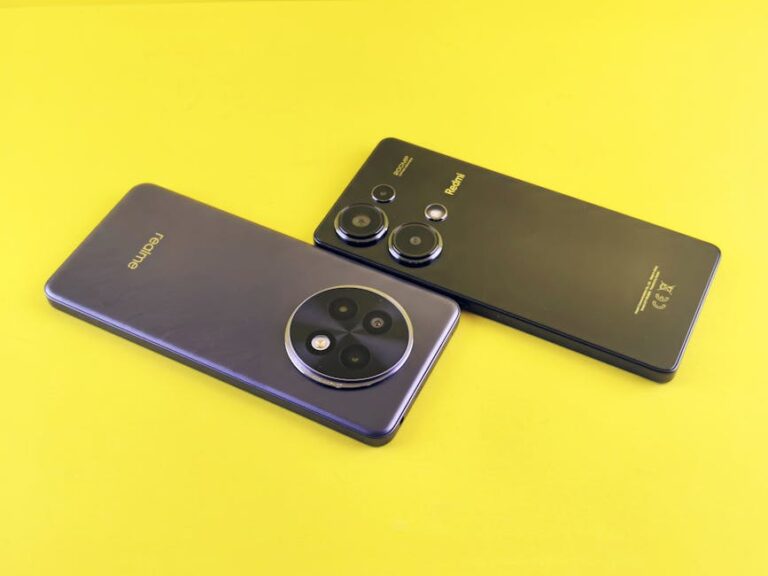
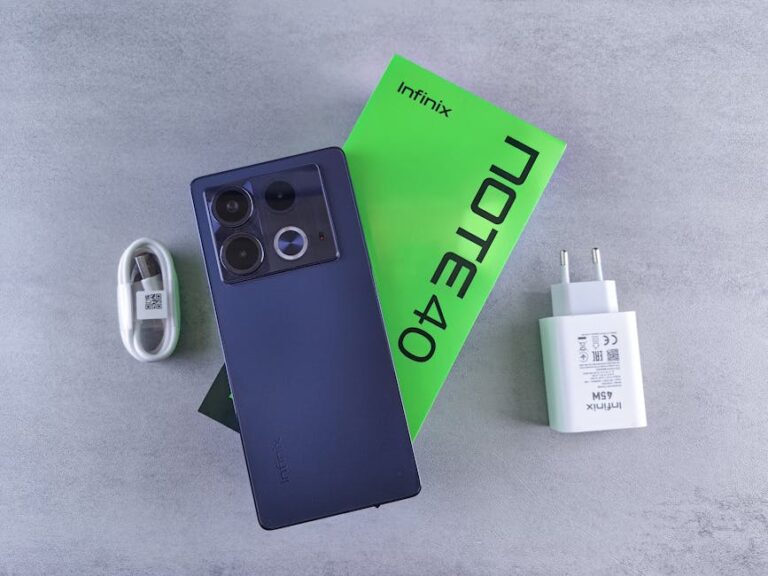
The Indian smartphone market is a fascinating paradox – a land of cutting-edge technology adoption fueled by an insatiable demand for value. As we look towards 2025, this dynamic landscape is poised for even more revolutionary shifts. From hyper-connected 5G experiences to AI-powered personal assistants and a renewed focus on sustainability, the **smartphones in India 2025** will be smarter, more efficient, and deeply integrated into the lives of millions.
## The Indian Smartphone Market: A Powerhouse Continues to Grow
India remains one of the world’s most critical and fastest-growing smartphone markets. Propelled by increasing digital literacy, expanding internet penetration (especially in rural areas), and a youthful demographic, the demand for mobile devices shows no signs of slowing down. By 2025, smartphone penetration will have deepened significantly, turning feature phone users into first-time smartphone owners and existing users into upgraders seeking advanced capabilities. This robust growth will continue to attract global tech giants while also fostering a fertile ground for local innovation. The competitive landscape means Indian consumers can expect feature-rich devices across all price segments.
## 5G Dominance and the Glimmer of 6G
By 2025, 5G connectivity will no longer be a premium feature but a ubiquitous standard, even for mid-range **smartphones in India**. With widespread 5G network rollout across metropolitan and tier-2 cities, users will experience lightning-fast downloads, seamless streaming, lag-free online gaming, and enhanced AR/VR applications. This will transform how Indians consume content, work remotely, and interact with the digital world. While 5G becomes mainstream, 2025 might also see initial whispers and early research into 6G technology, setting the stage for the next decade’s mobile revolution and pushing the boundaries of connectivity even further.
## AI-Powered Smarter Experiences: Beyond the Basics
Artificial Intelligence (AI) is already a buzzword, but by 2025, it will be deeply embedded in the very fabric of **smartphones in India**. Expect on-device AI to handle a plethora of tasks with unprecedented efficiency. This means hyper-personalized user interfaces that adapt to your habits, incredibly sophisticated computational photography that makes everyone a pro, and predictive intelligence for everything from battery optimization to app suggestions. Voice assistants will become even more conversational and contextually aware, making daily tasks simpler. AI will also play a crucial role in enhancing security features, protecting user data, and identifying potential threats proactively.
## The Budget and Mid-Range Kingpins Remain
While premium flagships always grab headlines, the heart of the **India smartphone market** continues to beat in the budget and mid-range segments. By 2025, this segment, typically priced under Rs 25,000, will continue to be the primary driver of sales volumes. Brands will aggressively compete to offer premium features – like high refresh rate AMOLED displays, multi-lens camera systems with OIS, fast charging, and robust processors – at increasingly affordable price points. The value-conscious Indian consumer will demand more for less, and manufacturers will respond with innovations that democratize advanced smartphone technology, making it accessible to the masses.
## Sustainability, Repairability, and “Made in India” Push
Environmental consciousness and the concept of a circular economy are gaining traction. By 2025, consumers will increasingly consider a smartphone’s longevity and repairability when making purchasing decisions. Manufacturers might focus on modular designs, easily replaceable components, and software updates that extend device lifespans. Furthermore, the “Made in India” initiative will likely see even greater momentum. More smartphone components, from batteries to displays and even chipsets, could be manufactured locally, reducing import reliance, boosting local employment, and potentially making devices more affordable due to reduced logistics and tariffs.
## Evolution of Core Features: Cameras, Batteries & Displays
Beyond the headline-grabbing AI and 5G, the foundational elements of a smartphone will also see significant evolution.
* **Cameras:** Expect even more advanced computational photography, larger sensors, and better low-light performance across all segments. Features like seamless video recording across multiple lenses and advanced stabilization will become standard.
* **Batteries:** Despite more demanding hardware and 5G, battery life will improve through better software optimization and more efficient chipsets. Fast charging technologies will continue to push boundaries, allowing phones to power up in mere minutes.
* **Displays:** High refresh rate (120Hz+), bright AMOLED panels with excellent color accuracy will be common, even in mid-range phones, offering an immersive visual experience for gaming and multimedia consumption. Durability will also see strides with improved Gorilla Glass versions and better water/dust resistance ratings.
## Conclusion
The **smartphones in India 2025** will be a testament to innovation driven by a uniquely demanding market. From the widespread adoption of 5G to smarter AI, enhanced core features, and a stronger emphasis on local manufacturing and sustainability, the mobile experience is set to become even more integrated, intuitive, and impactful. For Indian consumers, this means an exciting array of choices offering unparalleled value and performance, further cementing the smartphone’s role as an indispensable tool for connectivity, productivity, and entertainment. The future of mobile in India is not just bright; it’s brilliantly intelligent and incredibly accessible.

About the Author