

The dawn of Artificial Intelligence (AI) has ushered in a new era of possibilities, transforming industries and societies worldwide. In India, this technological revolution is not just a distant dream but a vibrant reality, rapidly reshaping its economic and social fabric. As we peer into 2025, India stands on the cusp of an unparalleled AI-driven innovation boom. From bustling metropolises to remote villages, AI is poised to unlock unprecedented growth, solving complex challenges and propelling the nation onto the global stage as a tech powerhouse. Get ready to explore how AI and innovation are converging to redefine India’s future.
India’s AI Ascent: From Potential to Powerhouse

India’s journey in the AI landscape has been nothing short of spectacular. Once seen primarily as a consumer of technology, the nation has rapidly transitioned into a significant contributor and innovator. The backbone of this transformation lies in its vast pool of engineering talent, a burgeoning digital infrastructure, and a proactive government push through initiatives like ‘Digital India’ and ‘Make in India’. By 2025, the groundwork laid today, including substantial investments in R&D and skill development, will see India emerge as a formidable AI hub. Policies formulated by NITI Aayog emphasize responsible AI, focusing on ethical deployment and maximizing social impact, ensuring AI isn’t just advanced but also equitable.
This rapid ascent is fueled by a unique blend of factors: a massive domestic market ripe for digital adoption, a strong entrepreneurial spirit, and an increasing focus on indigenous innovation. Indian researchers and startups are not merely replicating global trends but are actively developing localized AI solutions tailored to the country’s diverse needs. This ‘glocal’ approach is key to India’s AI success story, driving both economic value and societal benefits across various sectors.
Key Sectors Being Revolutionized by AI in India
The impact of AI in India is pervasive, touching almost every facet of life and industry. By 2025, several sectors will have undergone significant AI-led transformations:
Healthcare: Precision and Accessibility
In healthcare, AI is a game-changer for a country with diverse medical needs. From predictive diagnostics and personalized treatment plans to AI-powered drug discovery and efficient hospital management, the technology is improving outcomes and accessibility. Remote patient monitoring systems, AI-driven image analysis for early disease detection (e.g., in ophthalmology or radiology), and virtual health assistants are becoming more common, especially in underserved rural areas, bridging critical healthcare gaps.
Agriculture: Smarter Farming for Food Security
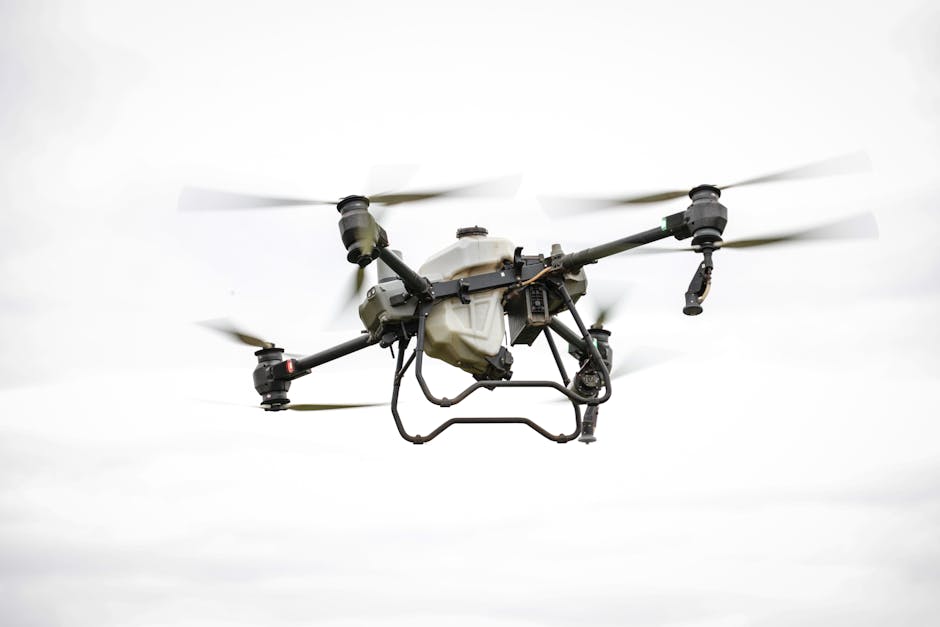
With a large agricultural base, India is leveraging AI to optimize crop yields, predict weather patterns, detect pest infestations, and manage water resources more effectively. AI-powered drones for crop monitoring, IoT sensors for soil health analysis, and machine learning models for market price prediction are empowering farmers, leading to higher productivity and better livelihoods. This Agri-tech revolution is crucial for India’s food security and economic stability.
Finance: Secure and Personalized Services
The FinTech sector is experiencing an AI renaissance. Fraud detection systems, algorithmic trading, personalized financial advisory services, and enhanced customer support through AI-powered chatbots are making banking and finance more efficient, secure, and accessible. India’s UPI (Unified Payments Interface) platform, combined with AI, is driving unparalleled digital payment adoption, even in tier-2 and tier-3 cities.
Education and Skilling: Tailored Learning Experiences
AI is personalizing education, adapting learning paths to individual student needs and preferences. Intelligent tutoring systems, automated assessment tools, and AI-powered platforms for skill development are making education more engaging and effective. This is particularly vital for upskilling India’s vast workforce for the jobs of the future, ensuring a continuous supply of AI-ready talent.
The Startup Ecosystem: Fueling India’s AI Innovation

India’s vibrant startup ecosystem is at the heart of its AI innovation surge. Cities like Bengaluru, Hyderabad, Delhi-NCR, and Mumbai have emerged as major AI innovation hubs, attracting significant venture capital and fostering a culture of rapid prototyping and deployment. Indian AI startups are increasingly focusing on developing solutions that address local challenges, from improving public services to enhancing consumer experiences. These companies are not just creating advanced algorithms; they are building entire platforms and services that integrate AI seamlessly into daily life and business operations.
Incubators, accelerators, and government-backed initiatives are playing a crucial role in nurturing these startups, providing mentorship, funding, and access to crucial infrastructure. The collaborative environment, where academia, industry, and government converge, is accelerating the pace of innovation, making India a hotbed for groundbreaking AI solutions that resonate both locally and globally. By 2025, we can expect several Indian AI startups to achieve unicorn status, demonstrating the immense potential of indigenous innovation.
Government Initiatives & Policy Push for AI
Recognizing AI’s transformative power, the Indian government has adopted a proactive approach, implementing policies designed to foster growth while ensuring responsible deployment. The “National Strategy for Artificial Intelligence” aims to position India as a global leader in AI development and application, focusing on sectors like healthcare, agriculture, education, and smart cities. Emphasis is placed on creating robust data governance frameworks, promoting ethical AI practices, and investing in public digital infrastructure that can support large-scale AI deployment.
Furthermore, public-private partnerships are being encouraged to pool resources, share expertise, and accelerate research and development. Investments in AI supercomputing infrastructure, data centers, and advanced research labs are aimed at providing the necessary foundation for AI innovation. These concerted efforts signal a clear commitment from the government to harness AI for national progress and global leadership.
Challenges and The Road Ahead for AI in India
While India’s AI future looks bright, several challenges need addressing. Data availability and quality, especially in regional languages, remain a hurdle. Infrastructure gaps, particularly in tier-2 and tier-3 cities, need bridging to ensure equitable access to AI benefits. Ethical considerations, including data privacy, algorithmic bias, and job displacement, require careful navigation through robust regulatory frameworks and public dialogue.
Despite these challenges, India’s inherent strengths—a massive young population, a rapidly expanding digital user base, and a drive for innovation—present unparalleled opportunities. The continuous investment in AI research, skill development programs, and international collaborations will be crucial. By fostering an ecosystem that encourages experimentation, addresses ethical concerns, and ensures inclusive growth, India can solidify its position as a global leader in AI innovation by 2025 and beyond.
Conclusion
As we gaze into 2025, India’s journey with AI and innovation is poised for an exhilarating acceleration. The synergy between a burgeoning talent pool, a supportive government, and a dynamic startup ecosystem is creating a fertile ground for breakthroughs. From revolutionizing healthcare and agriculture to transforming finance and education, AI is not just a technological advancement but a fundamental driver of socio-economic progress in India. The nation is not merely adopting AI; it is actively shaping its future, demonstrating how technology can be a powerful tool for empowerment, efficiency, and equitable development, paving the way for a truly ‘Viksit Bharat’ driven by intelligent machines.
About the Author