
India stands at the cusp of a technological revolution, propelled by the relentless march of Artificial Intelligence. As we look towards 2025, the nation is not just a consumer of global AI trends but is rapidly emerging as a formidable innovator and developer. The fusion of its burgeoning digital economy, a vast pool of skilled talent, and unique societal challenges creates a fertile ground for AI to flourish, transforming every facet of life and industry.
The AI Tsunami: India’s Digital Horizon in 2025
Recommended AI & Innovation Picks
NoiseFit Nova AI Smartwatch
- Advanced AI algorithms for health tracking (heart rate, SpO2, sleep).
- Personalized fitness insights and activity recommendations.
- Designed for robust daily use with long battery life.
Price: ₹3,999
Amazon Echo Dot (5th Gen) with Alexa
- AI-powered voice assistant for smart home control and information.
- Supports Hindi, Hinglish, and English for broad accessibility.
- Personalized routines and smart recommendations driven by AI.
Price: ₹5,499
Grammarly Premium AI Assistant
- AI-powered grammar, style, and tone correction for professional writing.
- Generative AI features for brainstorming and content creation.
- Seamless integration with popular productivity tools and browsers.
Price: ₹8,000/year

By 2025, AI will no longer be a futuristic concept but an integral component of India’s economic fabric. The country’s digital public infrastructure (DPI), exemplified by Aadhaar, UPI, and ONDC, provides an unparalleled foundation for AI adoption and innovation. This robust digital backbone allows for the rapid scaling of AI solutions, reaching even the remotest corners of the nation. We’re witnessing a shift from mere AI adoption to indigenous AI creation, with Indian startups and tech giants leading the charge in developing tailored solutions that address local needs while competing on the global stage.
Key Sectors Driving AI Adoption and Innovation

The impact of AI in India by 2025 will be pervasive, touching critical sectors and driving unprecedented growth:
Healthcare: Personalized, Accessible, and Predictive
In healthcare, AI is set to revolutionize diagnostics, drug discovery, and personalized treatment plans. From AI-powered tools assisting radiologists in detecting anomalies with greater accuracy to predictive analytics identifying disease outbreaks, the sector will see a significant leap. Telemedicine, already accelerated by the pandemic, will integrate AI for remote consultations, vital sign monitoring, and even AI-guided self-care, making quality healthcare more accessible across rural and urban divides.
Agriculture: Smart Farming for a Green Revolution 2.0
India’s agrarian economy stands to gain immensely from AI. By 2025, precision agriculture, powered by AI and machine learning, will become more mainstream. Farmers will leverage AI for crop yield prediction, pest and disease detection, optimal irrigation scheduling, and soil health analysis. Startups are already deploying drone technology and satellite imagery combined with AI to provide actionable insights, leading to increased productivity and reduced waste, thus empowering millions of farmers.
Finance: Secure, Smart, and Inclusive Banking
The financial sector, a frontrunner in digital transformation, will further embed AI for enhanced security, personalized banking experiences, and fraud detection. AI algorithms will analyze vast transactional data to identify suspicious activities in real-time, safeguard customer assets, and offer tailored financial products. Fintech innovations, driven by AI, will continue to expand financial inclusion, bringing banking services to underserved populations through intuitive, AI-powered interfaces.
Manufacturing & Logistics: Industry 4.0 in Action
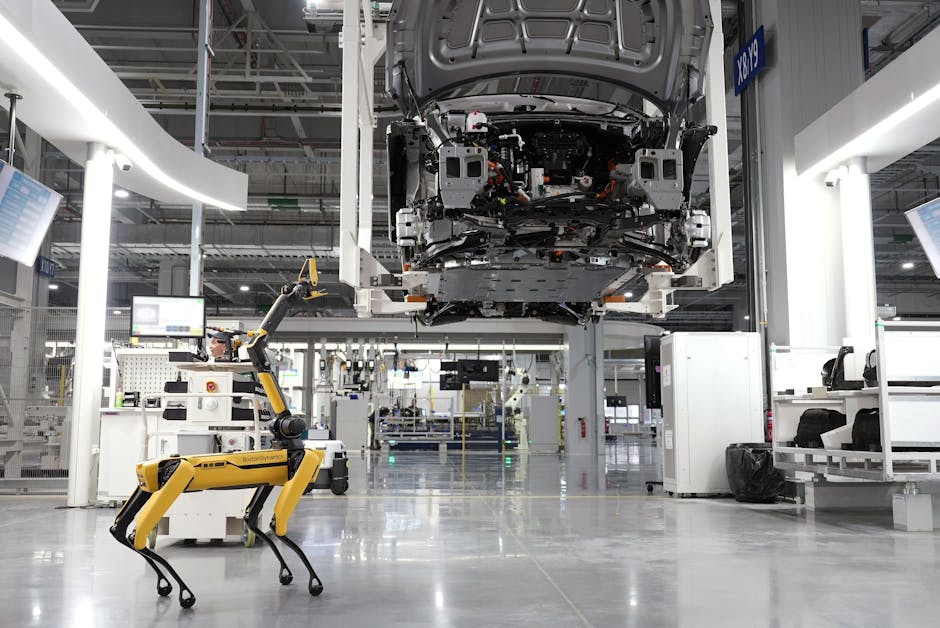
Indian manufacturing is embracing Industry 4.0 principles, with AI playing a central role. Predictive maintenance, supply chain optimization, and quality control will be significantly enhanced by AI. Robots and automated systems, guided by AI, will improve efficiency and safety on factory floors. In logistics, AI will optimize routes, manage inventory, and predict demand fluctuations, leading to faster, more cost-effective delivery across the nation’s vast network.
India’s Unique Strengths: Talent, Data, and DPI

India’s competitive edge in the AI race stems from several intrinsic strengths. Firstly, its demographic dividend provides a massive pool of young, tech-savvy talent eager to innovate. Indian engineers and data scientists are globally recognized for their capabilities. Secondly, the sheer volume of digital data generated by over a billion people offers an unparalleled resource for training robust AI models. Thirdly, the aforementioned Digital Public Infrastructure provides a unique, scalable platform for deploying AI solutions, fostering an ecosystem where innovation can thrive at an unprecedented pace.
Challenges and Opportunities for Sustainable Growth
While the future is bright, India’s AI journey also faces challenges. Ensuring data privacy and security, developing ethical AI frameworks, and bridging the digital divide remain crucial. The need for continuous upskilling and reskilling of the workforce to match evolving AI demands is paramount. However, these challenges also present opportunities. India can lead the world in developing responsible AI practices and creating inclusive AI solutions that address the needs of diverse populations, setting a global benchmark for ethical AI deployment.
Government Support and the “Make in India” for AI Push
The Indian government’s proactive stance is a significant catalyst. Initiatives like the National Strategy for Artificial Intelligence, NITI Aayog’s “AI for All” vision, and dedicated missions for AI research and development underscore a clear commitment. Policies are being framed to foster a conducive environment for AI startups, encourage R&D, and promote the adoption of AI across various sectors. The “Make in India” ethos is being extended to AI, encouraging indigenous development of AI hardware and software, reducing reliance on foreign technologies, and establishing India as a global hub for AI innovation and manufacturing.
Conclusion: India – A Global AI Powerhouse by 2025
By 2025, India is poised to solidify its position as a global AI powerhouse. The blend of its unique digital infrastructure, a vibrant startup ecosystem, a massive talent pool, and a government committed to fostering innovation creates an environment ripe for disruption. AI will not only drive economic growth but also solve critical societal challenges, making India’s future smarter, more efficient, and more inclusive. The journey is just beginning, and the innovations emerging from India will undoubtedly reshape the global AI landscape for years to come.
About the Author