

The digital pulse of India beats faster with each passing year, transforming every sector, and none more profoundly than news. As we look towards 2025, the landscape of “News India” is poised for an exhilarating evolution, driven by cutting-edge technology, shifting consumer habits, and India’s unique cultural fabric. Gone are the days of passive news consumption; in its place emerges an interactive, personalized, and often decentralized information ecosystem. For Indian readers, understanding these tech shifts isn’t just about staying informed – it’s about navigating the future of how we consume, share, and even create news.
The AI Revolution: Smart Newsrooms and Hyper-Personalization
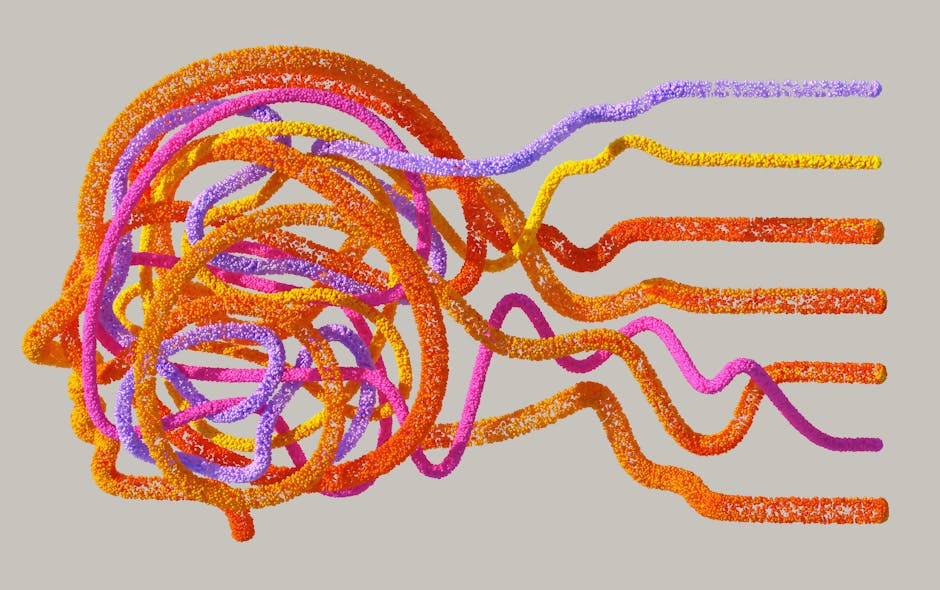
By 2025, Artificial Intelligence (AI) will cease to be a novelty in Indian newsrooms and become an indispensable colleague. Expect AI to automate mundane tasks like generating routine financial reports, sports summaries, and weather updates, freeing up journalists to focus on in-depth investigative journalism and nuanced storytelling. Natural Language Processing (NLP) will enhance content discoverability and multilingual translation, making “News India” accessible to an even wider demographic across diverse linguistic barriers. Furthermore, AI-driven algorithms will power hyper-personalized news feeds, tailoring content based on individual preferences, reading habits, and even location. While this promises unprecedented relevance, it also raises critical questions about filter bubbles and the need for algorithms that encourage diverse viewpoints rather than reinforcing existing biases.
The Vernacular Tsunami: Tech Empowering Regional Voices

India’s strength lies in its diversity, and nowhere is this more evident than in its languages. 2025 will witness an accelerated “vernacular tsunami” in news consumption. With increasing smartphone penetration in Tier 2 and Tier 3 cities, and a growing number of first-time internet users preferring content in their native tongues, tech platforms are racing to cater to this demand. Expect advanced speech-to-text and text-to-speech technologies in Indian languages to improve content creation and accessibility. Hyperlocal news, delivered through community-driven apps and citizen journalism initiatives, will flourish, providing granular updates relevant to specific towns and villages – a significant leap from traditional pan-Indian news. This tech-enabled shift will democratize information, giving a powerful voice to previously underserved communities and truly reflecting the rich tapestry of “News India”.
Battling the Infodemic: Tech as the Shield Against Misinformation

The pervasive challenge of misinformation and disinformation (often termed ‘fake news’) continues to plague the Indian information ecosystem. In 2025, technology will be at the forefront of the battle against this ‘infodemic’. AI-powered fact-checking tools will become more sophisticated, capable of analyzing images, videos, and text for authenticity at scale. Blockchain technology may see wider adoption to timestamp and verify original news sources, adding an immutable layer of trust to content. Collaborative verification platforms, integrating both AI and human expertise, will become crucial. However, the success of these tech solutions will heavily rely on increased media literacy among Indian readers, teaching them to critically evaluate information in an increasingly complex digital world.
Creator Economy & Citizen Journalism: Redefining News Creators
The traditional gatekeepers of news are giving way to a more decentralized model. By 2025, the “creator economy” will significantly impact “News India,” empowering individual journalists, content creators, and even ordinary citizens to become direct news providers. Platforms supporting independent journalists through subscriptions, micro-payments, and community funding will gain traction. Armed with just a smartphone and an internet connection, citizen journalists will continue to break stories from the ground up, bypassing traditional media channels. While this offers unprecedented immediacy and diverse perspectives, it also underscores the need for robust ethical guidelines and verification processes to maintain journalistic integrity outside established newsrooms.
New Monetization Models: Sustaining Quality Journalism
The economic sustainability of quality journalism remains a global challenge, and India is no exception. In 2025, expect to see a diversification of monetization strategies beyond traditional advertising. Hybrid models combining subscriptions, micro-payments for premium content, and donations will become more common. Native advertising, carefully integrated and transparently labeled, will evolve. Furthermore, news organizations will explore new revenue streams through data analytics, specialized content licensing, and event management. Tech innovations in reader engagement will also play a crucial role, as deeper audience connections translate into greater willingness to support quality “News India” through various financial models.
The Immersive News Experience: VR, AR, and Beyond
While still in nascent stages, 2025 might see the glimmer of truly immersive news experiences. Virtual Reality (VR) and Augmented Reality (AR) could offer readers a chance to “be there” at major events, bringing a new dimension to reporting. Imagine touring a disaster site or exploring a historical event through a VR headset, guided by a journalist’s narration. While widespread adoption might be further off, niche applications for deeply impactful stories or explainer content could begin to emerge, pushing the boundaries of how “News India” is consumed and understood.
The journey of “News India” to 2025 is one defined by rapid technological assimilation, a fierce commitment to local relevance, and an ongoing battle for truth. While challenges persist – from digital divides to the ever-present threat of misinformation – the opportunities for a more informed, engaged, and diverse readership are immense. For Indian readers, staying curious, critically aware, and adaptable will be key to navigating this exciting, tech-driven future of news.
About the Author